Where to Stay in Cape Town: Accommodation, Attractions and Practical Tips for Travellers
Cape Town blends dramatic natural beauty with a wide range of places to rest your head, from boutique guesthouses tucked into bohemian neighbourhoods to well-appointed hotels with panoramic views. When planning a stay, consider the different areas that characterise the city’s character, your budget, and what you want to see and do. A well-chosen base can cut travel time and maximise your time exploring this diverse region of the Western Cape.
Central and city-adjacent areas offer convenience for first-time visitors. The City Bowl, including the historic Bo-Kaap and vibrant neighbourhoods around the central business district, keeps you close to museums, markets and easy access to public transport. For those who crave sea air and long, scenic strolls, the Atlantic Seaboard—encompassing areas like Sea Point, Green Point and Camps Bay—provides brisk coastal walks, trendy eateries and a cosmopolitan nightlife pulse. Southern sub-urban pieces such as Constantia are ideal for wine-tasting and leafy tranquillity, while the Constantia Valley is known for its mellow hillside scenery and tranquillity away from the bustle of the waterfront.
When selecting accommodation, think about access to transport. The city’s MyCiTi bus network and regular rail links offer straightforward options between key sights, but some areas, particularly along the Atlantic Seaboard and in the suburbs, can be more comfortably explored with a rental car or a trusted ride-share service. If you plan early-morning trips up Table Mountain or visits to Robben Island, a well-located base can save precious time and morning queuing.
Typical amenities reflect Cape Town’s diversity of lodging styles. Expect personalised touches in guesthouses and B&Bs, such as continental breakfasts with a local flavour, guest lounges, terraces with mountain or ocean views, and sometimes small private courtyards. City-centre hotels commonly feature reception desks with concierge services, in-house dining or easy restaurant access, free Wi-Fi, and practical extras like secure parking. For families or longer stays, self-catering apartments and serviced suites are popular, offering kitchen facilities and extra space.
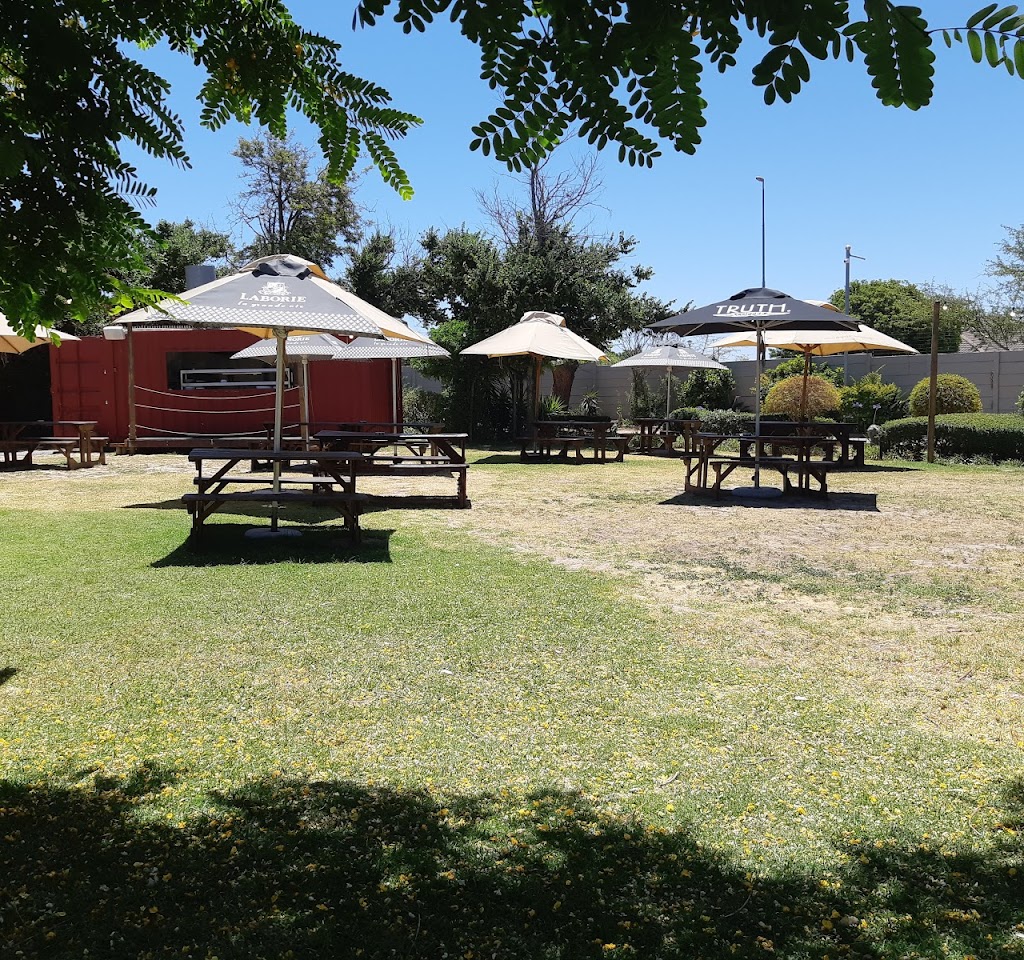
Salem Guest House is an example of a lodging option you might encounter in the city. In choosing an accommodation with a “guest house” or boutique hotel feel, look for clear policies on check-in times, housekeeping frequency, and what is included in breakfast or rates. For any option, verify the location on a map, read recent guest reviews, and check what access to public transport or parking is offered. If you’re travelling with a larger group or family, you may want a place with separate bedrooms, a living area, and a kitchen or kitchenette.
Practical planning tips to make the most of your stay:
- Identify a preferred area based on your daily plan—proximity to Table Mountain, the V&A Waterfront, or coastal walks can shape your itinerary and contribute to a restful stay.
- Check for essential amenities such as reliable Wi-Fi, air conditioning for warmer months, secure parking, and a good breakfast option.
- Assess safety and access to lifts or stairs if you have mobility considerations; request a lower-floor room if needed.
- Look for flexible cancellation policies in case plans change due to weather or events.
- Consider the best time to visit to balance weather, daylight hours, and crowds. Shoulder seasons often offer milder weather and fewer queues at major sights.
Attractions and activities to slot into a Cape Town visit typically fall into four broad categories: nature and landscapes, culture and history, food and markets, and coastal leisure. Natural highlights such as the iconic flat-topped Table Mountain or sweeping beaches around Clifton and Camps Bay are best enjoyed with comfortable footwear and sun protection. Iconic sights include the harbour precincts with shops and eateries, and the Cape Peninsula drive to Cape Point offers sweeping coastal scenery. Cultural and historic venues, such as museums and galleries, provide insight into the region’s diverse heritage. Markets and dining experiences across the city showcase everything from fresh seafood to farm-to-table dishes and charcoal-grilled specialties. For a relaxed day, head to green spaces like botanical gardens or nature reserves, where guided walks or vantage points offer stunning city-skyline backdrops.
Dining in Cape Town runs from lively, casual eateries to refined, contemporary restaurants. Expect menus that reflect the coastal influence and a mix of South African flavours with global inspirations. It’s common to find seafood-focused dishes along the Atlantic coast, bright tapas-style options in the city, and wine-forward meals in the wine country surrounding Constantia. When planning meals, you might want to use local recommendations or walk-ins at well-regarded neighbourhoods to discover fresh ingredients and seasonal offerings. Taking a relaxed approach to dining allows you to savour the city’s energetic food scene without over-scheduling yourself.
Best time to visit Cape Town depends on what you want from your trip. Spring (September to November) brings blooming fynbos and pleasant temperatures, while autumn offers mild days and fewer crowds. Summer (December to February) is lively and ideal for beachgoers and outdoor activities, though it can be busy. Winter (June to August) brings cooler, wetter weather but can be a good time for museum visits and enjoying the city’s indoor culture. Pack layers for variable conditions and plan flexible days to accommodate the city’s quick weather changes.
To close, Cape Town’s accommodation spectrum—from characterful guesthouses to modern hotels—affords a comfortable base from which to explore a city that generously blends scenery, culture and cuisine. By choosing a location aligned with your itinerary, prioritising practical comforts, and staying flexible about plans, you can tailor a stay that feels both restorative and adventurous. For inspiration, browsing reputable travel sources and the official tourism pages can help you confirm current highlights and practical details, while city maps and transport guides will keep your plans efficient and enjoyable.