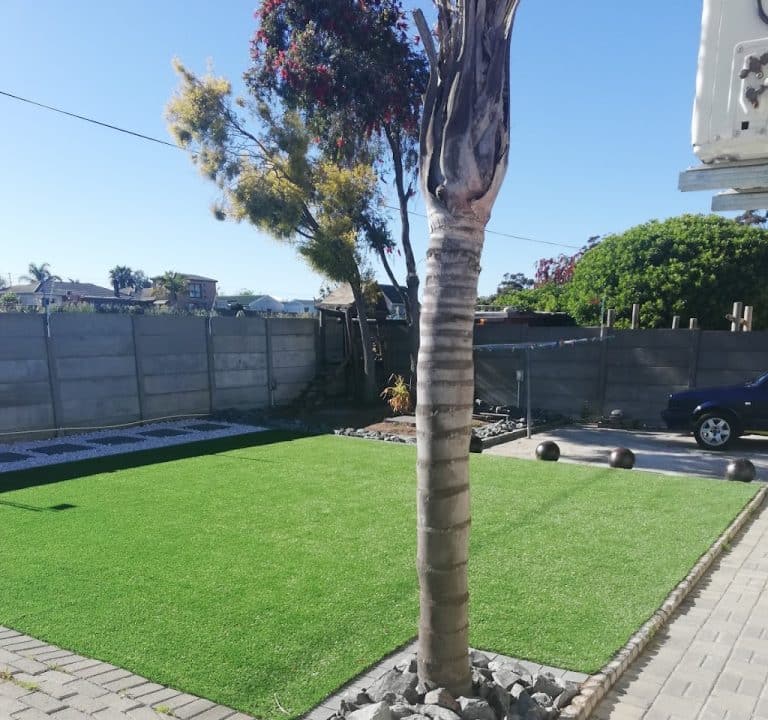
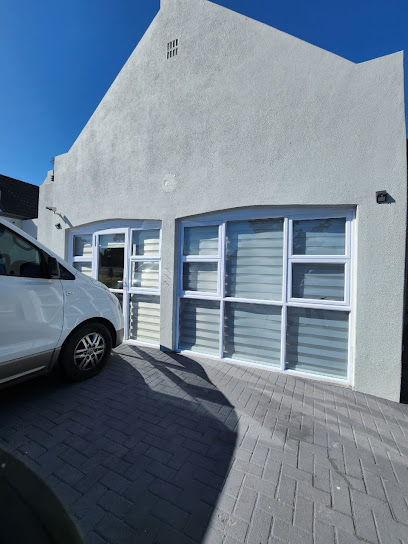
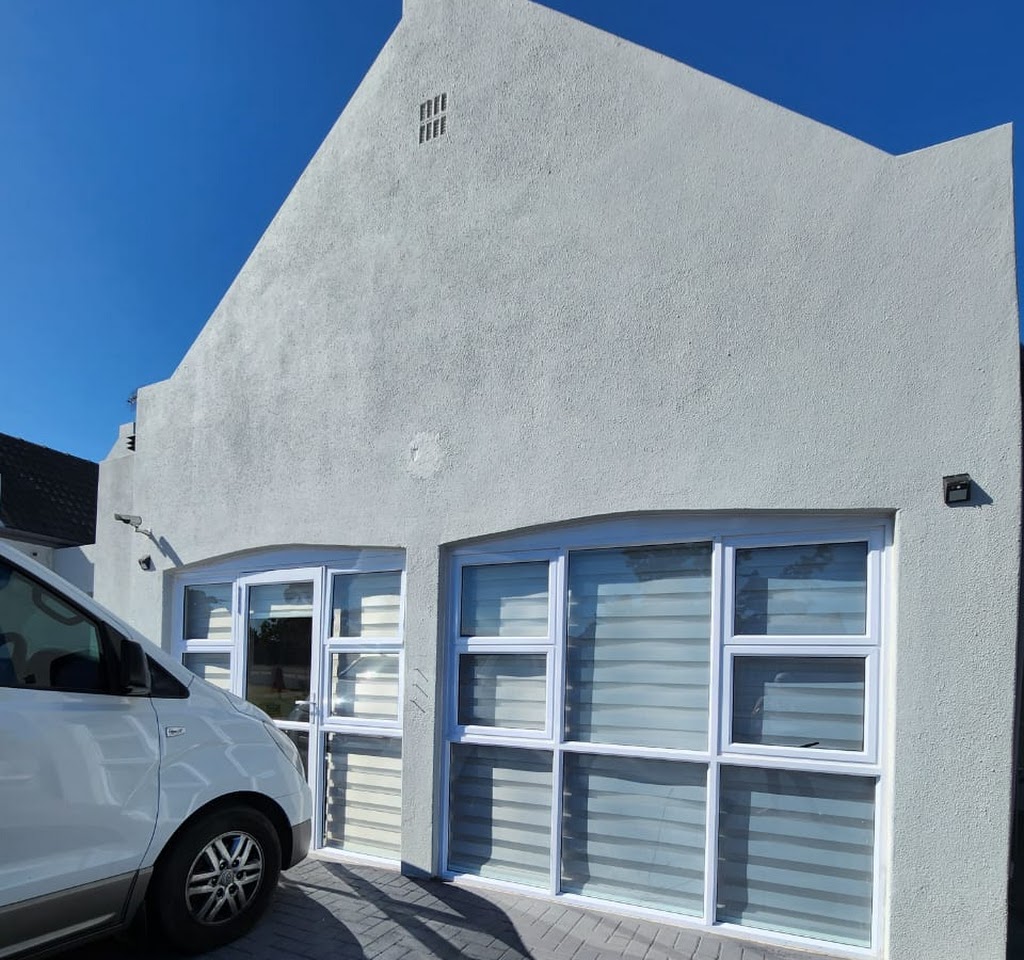
Grey House Airbnb is a Self-catering accommodation establishment in Cape Town, Western Cape, South Africa
Grey House Airbnb, Cape Town – About
Grey House Airbnb is positioned in Cape Town, within the Western Cape of South Africa, offering a base for travellers exploring one of the world’s most popular city destinations. At the time of access, the official site content for the listing presented through the linked page could not be retrieved, so specifics about exact room types, on-site facilities, or detailed policies are not publicly available here. What can be conveyed with confidence is that Grey House sits within a city renowned for its dramatic scenery, diverse neighbourhoods, and a climate that invites outdoor exploration throughout much of the year.
In the absence of clearly stated particulars on the site, potential guests can still consider the experience that a Cape Town stay aims to deliver. A typical stay in this part of the world often centres on a comfortable, home-like environment that serves as a convenient launching pad for daily adventures. Travellers may look for thoughtful touches typical of well-run guest-offering properties in popular urban settings: a peaceful retreat after busy days of sightseeing, easy access to local eateries, and a respectful, attentive approach to guest needs. While the exact layout and amenities of Grey House remain unspecified here, the emphasis in many Cape Town-based stays is to provide a calm, curated space that allows guests to unwind and re-charge between excursions.
For those planning a visit to the Western Cape, a stay such as Grey House can be part of a balanced itinerary that blends urban exploration with natural beauty. The surrounding area typically offers a mix of cultural experiences, markets, cafes, and access to the iconic landscapes that define Cape Town. Without definitive details from the listing, potential guests should consider exploring the city’s broader draw cards—mountain trails, coastal vistas, and neighbourhood character—while using the accommodation as a dependable home base.
Who Grey House Airbnb might suit can be inferred from the general needs of travellers arriving in Cape Town. The property is likely appealing to visitors seeking a grounded, residential environment rather than a large hotel footprint. It may be particularly well-suited for couples, solo travellers, or small groups looking for a steady, uncomplicated stay with a local flavour. Those who prioritise proximity to public transport, convenient access to dining options, and a quiet space after days spent sightseeing will often find such an arrangement compatible with a busy itinerary. Since exact amenities are not listed here, guests are advised to review the official listing for any details regarding self-catering facilities, laundry options, or on-site conveniences before booking.
Nearby highlights in Cape Town are a defining feature of any stay in the city, even when a specific property does not publish exhaustive information about proximity. The region is celebrated for its natural wonders, such as Table Mountain and the Cape Peninsula, as well as vibrant urban experiences around the inner city, the V&A Waterfront, and colourful neighbourhoods. Potential visitors should prepare to tailor their plans to seasonal conditions, tides, and prevailing travel advice, making sure to balance outdoor activities with sheltered experiences when necessary. While this article cannot confirm the exact distances to particular attractions from Grey House, a deliberate approach to planning will help ensure that time is optimised and enjoyable across the weeklong or short-stay itinerary common to Cape Town’s travellers.
Booking and travel tips for Grey House, given the lack of detailed information on the page accessed here, centre on prudent preparation. First, verify the current listing details through the official website link provided by the host. Look for confirmation of essential elements such as check-in procedures, house rules, parking availability, and any policies related to cancellations, refunds, or maximum occupancy. Second, consider reaching out for clarifications about room configuration, private or shared spaces, and the availability of conveniences such as a shared kitchen or lounge area. Third, explore transportation options in Cape Town, including the convenience of short commutes to common hubs like central business districts, transport corridors, and popular sights. Fourth, assess safety considerations typical of urban stays: secure access, well-lit surroundings, and the proximity of services such as supermarkets, medical facilities, and emergency contacts. Finally, plan for a well-rounded stay by mapping out a mix of rest days and activity-filled days, allowing for a comfortable balance between relaxation and exploration.
For travellers who prefer to resonate with a locally hosted experience while maintaining the comfort of a private space, Grey House may present a straightforward, inner-city accommodation choice in Cape Town. The absence of explicit detail on the site does not preclude a positive stay; it simply calls for proactive inquiry and careful planning to confirm what is offered and to align expectations with the actual amenities and policies in place at the time of booking. Interested guests can visit the official listing for further information and to initiate contact with the host for specifics, updates, and any considerations relevant to travel plans.
- Website: Grey House Airbnb – official listing
Cape Town
Western Cape
7550
South Africa
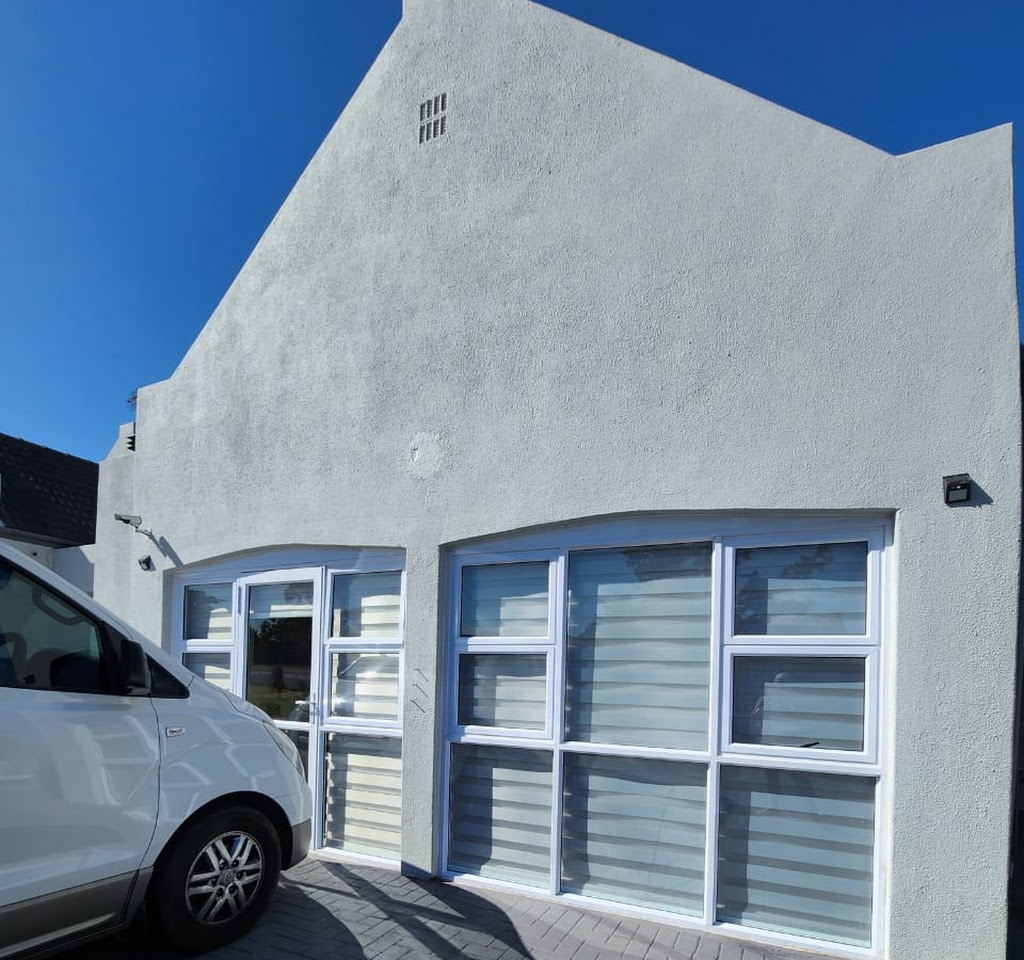
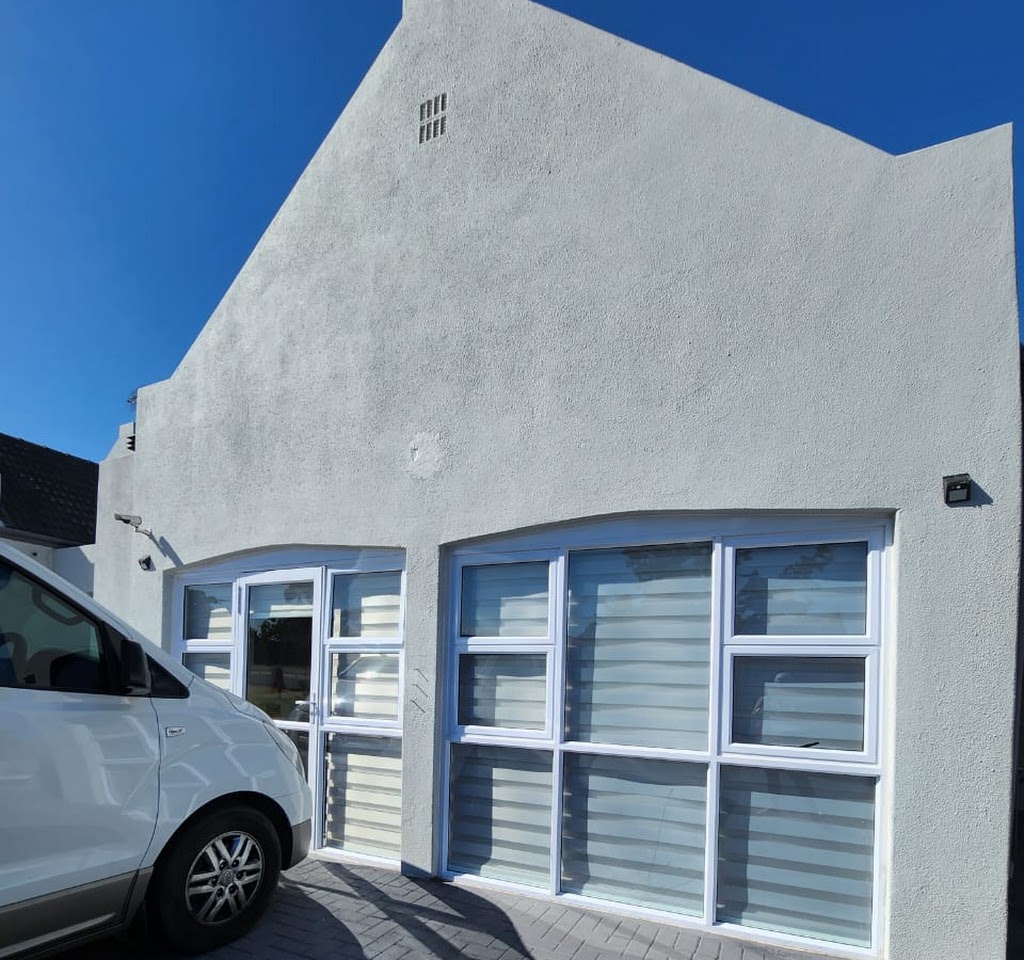
Cape Town: Where to Stay, What to Do, and How to Plan a Memorable Visit
Cape Town offers a uniquely Atlantic-and-mayscape blend of mountains, coastline, and neighbourhoods that invite curious travellers to linger. When choosing accommodation, consider the rhythm of the city’s different districts, each with its own character, feel and easy access to the sights you want to experience. From airy self-catering options with kitchen facilities to boutique guesthouses and contemporary hotels, you can tailor a stay to suit your pace, whether you’re after a relaxed beach break, a cultural exploration, or a base from which to press your outdoor adventures.
Neighbourhoods to consider include the City Bowl and the heart of central Cape Town, which offer convenient access to museums, markets, and a lively dining scene. The V&A Waterfront is ideal for first-time visitors who want picturesque views, harbourfront walks, and a concentration of eateries and shops within strolling distance. If you prefer a scenic coastal vibe, Camps Bay and Clifton provide dramatic Atlantic sunsets, while the Constantia Valley showcases rolling vineyards and green valleys just beyond the city’s edge. Bo-Kaap, with its colourful lanterns and winding streets, provides a sense of Cape Town’s cultural tapestry and is close to the city’s historic landmarks.
For self-catering stays, look for properties with clear, well-equipped kitchens, a comfortable living area, good security, and reliable wifi. A recent trend in Cape Town is stylish, liveable spaces that combine modern comforts with authentic local touches. For example, a well-reviewed self-catering option might position itself as a home away from home, enabling guests to cook meals with fresh market produce and have a peaceful base after day trips. If you’re curious about options marketed as self-catering, you may come across listings that emphasise privacy, private entrances, and flexible check-in; these features can make a difference for families and groups who value independence while travelling. For illustration, a well-presented example of such accommodation can be found under listings like Grey House Airbnb, which highlights a self-catering approach and a convenient website for booking. You can explore this type of option at https://greyhouseairbnb.business.site/mtrue.
Typical on-site amenities to look for include a well-equipped kitchen or kitchenette, a comfortable lounge, reliable heating or cooling, good natural light, and secure parking or easy access to public transport. Laundry facilities, extra towels and linens, and clear information about housekeeping schedules are also useful features. If you’re visiting in peak season, confirm whether air conditioning, privacy features, and late check-in options are available. For longer stays, convenient access to supermarkets, pharmacies, and local markets can save time and money, so consider the proximity of a grocery store or a neighbourhood corner shop when selecting your base.
Getting around Cape Town is part of the experience. The MyCiTi bus network is a convenient option for city travel and some routes connect to major landmarks. For day trips to the Cape Peninsula, addresses that offer parking or easy taxi access can help if you’re renting a car. Rail services and guided tours also provide alternatives to driving, especially if you want to minimise city traffic while you focus on sightseeing. In addition to public transport, many guesthouses and lodges offer information desks or hosts who can advise on reliable private drivers or reputable tour operators for activities such as Table Mountain cableway visits, Robben Island tours, or harbour cruises. When planning activities, it’s useful to book main attractions in advance where possible, particularly for popular time slots early in the morning or late afternoon.
When is the best time to visit? Cape Town enjoys a Mediterranean climate, with warm, dry summers and cooler, wetter winters. The summer months (roughly November to February) bring longer days and excellent conditions for outdoor pursuits, including hiking, swimming, and coastal walks. Shoulder seasons—autumn and spring—offer pleasant weather, manageable crowds, and usually more favourable hotel rates. Always check local weather forecasts ahead of your trip and be prepared for sudden changes, especially in the mountains and near the coast. If you plan to hike or explore outdoors, wear sturdy footwear and bring layers for the varying microclimates between sea level and the surrounding peaks.
Practical tips to keep in mind for a smooth stay:
- Pack a light rainproof layer even in summer, as coastal weather can be changeable.
- Choose accommodation with clear directions and safe access, particularly if arriving late in the day.
- Look for listings that provide good Wi‑Fi, kitchen facilities, and convenient laundry options for longer visits.
- Book popular experiences (such as mountain ascents or island tours) well in advance during peak seasons.
- Respect local neighbourhoods and be mindful of safety tips shared by hosts and hosts’ guides.
Beyond the hotel and apartment, Cape Town’s attractions and dining scene offer a world of possibilities. Iconic viewpoints, nature reserves, and beaches sit alongside markets, cultural centres, and restaurants that showcase South African flavours with global influences. While it’s wise to keep expectations flexible, you’ll likely find somewhere to suit your mood—from a restful seaside terrace to a vibrant urban eatery. For planning inspiration, browse official tourism listings and guest reviews, which can provide helpful pointers on what to expect in different neighbourhoods and how to link your days with practical transport planning.
Sorry, no records were found. Please adjust your search criteria and try again.
Sorry, unable to load the Maps API.
Why Claim Your Listing?
Claiming your listing on the B&B Finder directory website is a valuable opportunity for business owners. Here are five reasons why you should consider claiming your listings:
Control Over Business Information: By claiming their listing, business owners can ensure that all the information presented is accurate and up-to-date. This includes details such as contact information, address, pricing, and available services or amenities. Accurate information helps prevent customer confusion and improves overall satisfaction.
Enhance the Listing: Once a listing is claimed, owners can enhance it by adding more comprehensive information and rich media, like high-quality photos and videos. These additions can make the listing more attractive and engaging to potential customers, thereby increasing the likelihood of bookings.
Marketing Opportunities: Claiming a listing can also open up additional marketing opportunities. Owners may be able to participate in promotional campaigns, special offers, and other marketing activities organized by the directory. This can increase visibility and attract more customers to the business.