Cape Town: a guide to staying well and exploring the Mother City
Cape Town combines dramatic scenery with a welcoming, walkable city core and a wide choice of stays that suit every budget. When planning a visit, think about the area that will profile your interests most — whether it is easy access to the waterfront and beaches, convenient city-centre amenities, or a tranquil escape among vineyards and hills. From family-friendly guest houses to stylish boutique hotels, you can expect warm hospitality, practical comforts, and a sense of place that reflects the region’s natural beauty and cultural energy.
Areas to consider for accommodation
- Atlantic Seaboard (including Sea Point, Green Point, and the Camps Bay corridor): excellent for beach access, long coastal walks, and striking sunset views. This area is popular for holiday rentals, guest houses, and boutique hotels with ocean-facing facilities.
- City Bowl and the central business district: ideal for travellers who want instant access to museums, theatres, restaurants, and the MyCiTi bus network. Staying here puts you in easy reach of the historic Bo-Kaap and the vibrant street life of central Cape Town.
- Southern Suburbs (Constantia, Claremont, and Kenilworth): great for family stays, peaceful evenings, and proximity to the wine routes. Expect leafy streets, larger properties, and pleasant suburbs with easy access to hikes and wine-tasting.
- Vineyards and suburbs beyond the mountain: a slower pace with private gardens, pools, and panoramic views. These areas suit travellers seeking a rural-feel within a short drive of Cape Town’s main sights.
- Residential neighbourhoods near the waterfront or in the green, hilly outskirts: offer a balance of local character and convenient transport links to major attractions.
What to look for when booking
- Location relative to your planned activities: a short hop to the cableway on Table Mountain, or a quick ride to the V&A Waterfront and its museums, shops, and eateries.
- Public transport access or parking: Cape Town’s MyCiTi buses and ride-hailing services make non-car travellers feasible, while staying with on-site parking can be convenient for day trips beyond the city bowl.
- Amenities: reliable Wi‑Fi, breakfast options (whether continental, full-English, or customised), secure parking, air conditioning or heating, comfortable bedding, and well-equipped en-suite bathrooms.
- Guest house or boutique hotel character: many properties offer homely touches, shared lounges, or verandas with views, which can enhance your stay.
- Safety and neighbourhood vibe: read guest reviews and check for well-lit entrances, good security, and clear guidance about local transport at night.
Typical stay features and practical planning tips
Durations vary from short weekend breaks to longer explorations. If you are planning a multi-day visit, group your days by geography to minimise travel time between sites. Many guest houses and hotels include breakfast, which is convenient for busy mornings before heading to the Table Mountain National Park, the Kirstenbosch National Botanical Garden, or the beaches. In-room amenities such as coffee stations, fridges, and climate control can save time and add comfort for longer stays. If you are visiting during peak season, booking well in advance is advisable, as popular properties in well-connected areas can fill quickly.
Transport and getting around
South Africa’s road network is well signposted, and Cape Town’s city centre is compact enough to explore on foot or by bicycle. For longer trips, the MyCiTi bus network offers a straightforward way to reach major sights and beaches. Taxis and ride-hailing services are widely available in the city centre and tourist zones, making evening dinners and nightlife more accessible. If you plan to explore beyond the immediate city, a hired car provides flexibility for day trips along the Atlantic coast or to the Constantia wine route.
Best time to visit and practical considerations
The South African summer (roughly October to April) brings warm coastal weather and outdoor activities as the hills flourish with spring flowers and late-summer light. Winter is milder than many European locales, though it can be cooler and occasionally wetter, which makes for cosy evenings in guest houses with fireplaces or heaters. Shoulder seasons can offer fewer crowds and good value, while still giving you access to top sights.
Experiences to pair with your stay
In addition to the natural beauty of Table Mountain, beaches, and coastal walks, Cape Town offers a mix of cultural and culinary experiences. Think scenic drives along the coast, visits to botanical gardens and nature reserves, and evenings spent in atmospheric restaurants and markets that celebrate fresh, regional ingredients. Many accommodation providers offer thoughtful recommendations for local walks, markets, and light-to-mid-range dining options, helping you plan a well-paced itinerary that suits your interests and energy levels.
Example accommodation in the Cape Town area
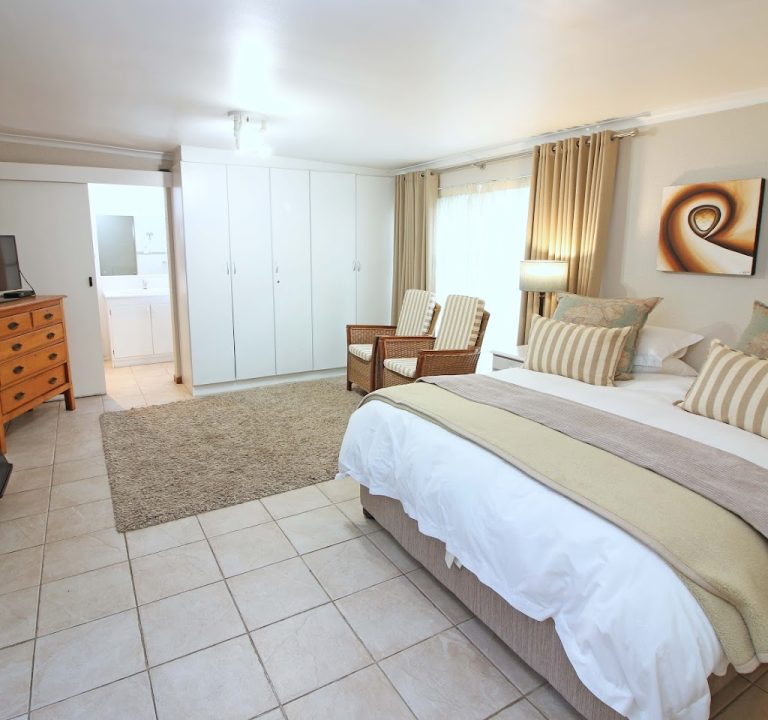
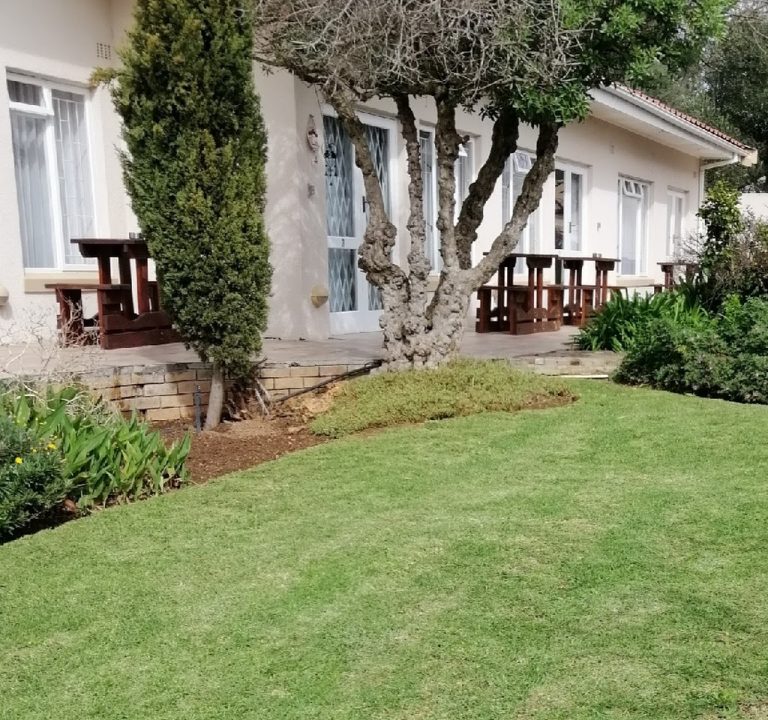
Greenville Guest House represents the type of guest-house property you might encounter in the city, offering a personal, homely atmosphere with well-considered amenities and an emphasis on guest comfort. When choosing a stay and planning your days, consider how the property’s location, facilities, and suggested local activities align with your priorities for rest, access, and exploration.
Finally, keep a flexible mindset. Cape Town rewards curious travellers who balance scenic drives with short walks, leisure time on a veranda or balcony, and easy access to aspects of the city that intrigue them most. With thoughtful planning and a comfortable base, you can enjoy a memorable Cape Town stay that blends nature, culture, and hospitality.