Accommodation and Attractions in Marloth Park, Mpumalanga: A Traveller’s Guide
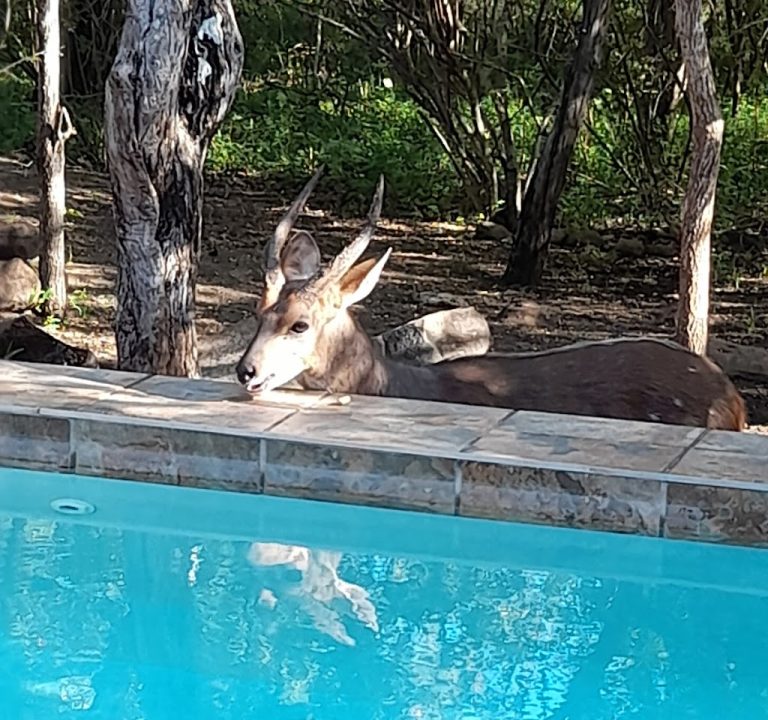
Nestled beside the Kruger National Park’s southern reaches, Marloth Park in Mpumalanga offers a relaxed, wildlife‑friendly retreat with a mix of homestays, B&Bs, lodges and self‑catering options. The area is characterised by tranquil bushveld, quiet roads, and a laid‑back pace that makes it ideal for guests who want to feel close to nature without sacrificing creature comforts. Whether you arrive with a plan to spend days on game drives or simply to unwind on a veranda with the sound of distant wildlife, Marloth Park provides a flexible base for a South African bush holiday.
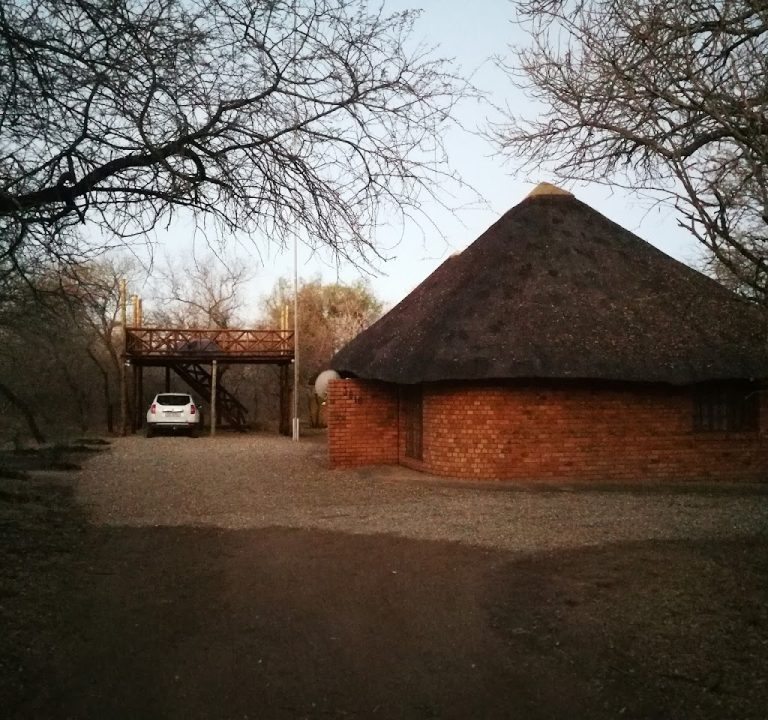
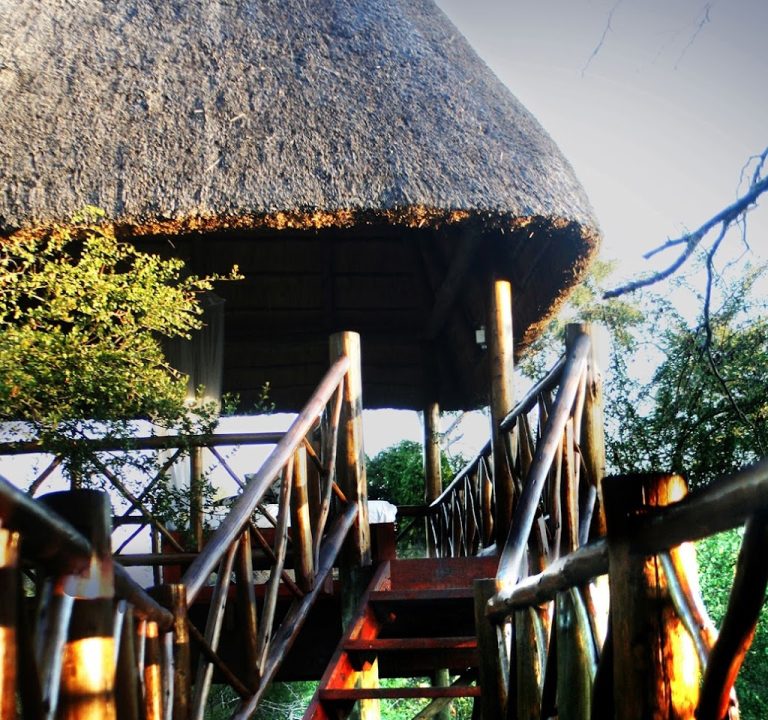
When planning a stay in Marloth Park, think about your priorities: proximity to the river and gate, fencing and wildlife safety, self‑catering facilities, and the level of guided activities you enjoy. The accommodation market ranges from homestays run by local hosts to purpose‑built lodges with private pools. Sadadu, noted here as a homestay option, sits within a community suited to guests who value a welcoming, home‑from‑home ambience. You’ll often find properties that combine comfortable bedrooms with shared or private living spaces, outdoor seating for wildlife viewing, and kitchens or kitchenettes for flexible meals.
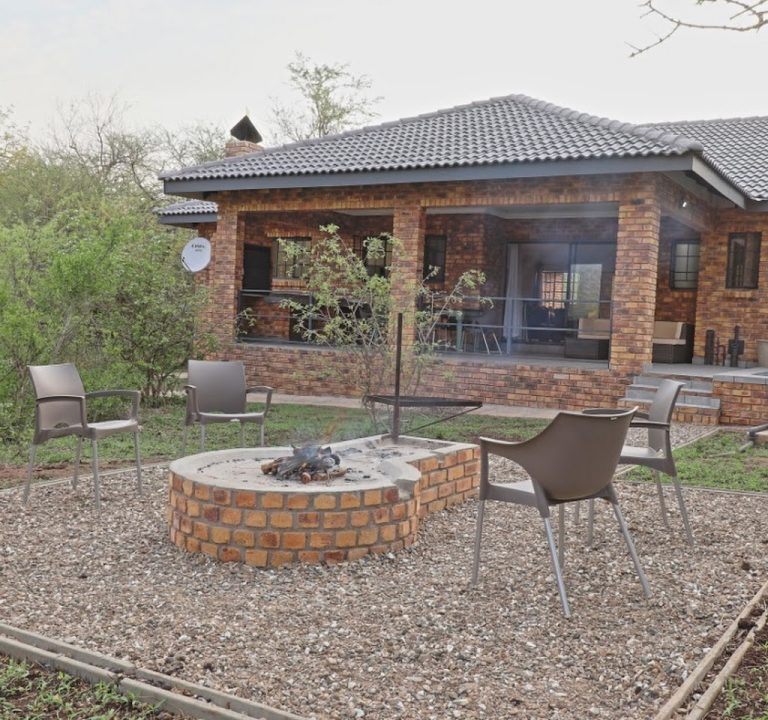
To keep your stay smooth and enjoyable, consider these areas and features when booking. Proximity to gates and access routes can influence early morning starts for wildlife viewing, while fenced or unfenced properties affect how you interact with the surrounding fauna. Some guests prefer private verandahs, braai (barbecue) facilities, and plunge pools, while others opt for fully‑equipped kitchens and laundry facilities for longer breaks. Review the size of the property in relation to your group, since larger homes are popular for families or multiple couples seeking a private, self‑contained base from which to explore the region.
Typical on‑site amenities you might encounter include air conditioning or fans for hot African afternoons, quality bedding and insect screens, safes for valuables, and reliable power arrangements. Given Marloth Park’s bush setting, you may notice features designed to blend comfort with practicality, such as wildlife‑proofing for verandahs, secure gates, and nearby emergency information. Guest houses and lodges often provide friendly, local knowledge on safaris, nature walks, and the best times for viewing wildlife along the Olifants River corridor.
Getting around Marloth Park is straightforward if you are hiring a car. Most visitors drive from Johannesburg, Pretoria, or other parts of Mpumalanga, typically via the N4 and through nearby towns. A car gives you the freedom to explore at your own pace, visit natural viewpoints, and join day trips into the Kruger National Park or its southern access points. When booking, confirm whether the property offers on‑site parking and whether the gate hours fit with your planned activities. If you prefer not to drive, some hosts can help organise guided drives or transfers to popular safari routes, with the emphasis on responsible, safe wildlife viewing.
Best time to visit Marloth Park depends on your priorities. The dry winter months (roughly May to September) offer often clearer skies and more reliable wildlife sightings near water sources, with cooler daytime temperatures. Late spring and autumn can bring pleasant weather and fewer crowds. Summer can be hot and humid, with afternoon thunderstorms, but the bush typically becomes lush and alive with birdlife and insects. If photography is top of your list, dawn and dusk mornings are usually rewarding, regardless of the season.
Planning essentials and practical tips for Marloth Park:
- Malaria awareness: Marloth Park is in a malaria‑risk area, so discuss prophylaxis with a travel clinician and bring suitable protective measures.
- Health and safety: keep doors and windows closed when wildlife is in the vicinity; follow host guidance on safe viewing areas and vehicle etiquette in the bush.
- What to pack: light layers for early mornings, a hat, sunscreen, repellent, comfortable walking shoes, and a basic first‑aid kit.
- Water and power: some properties offer limited power during outages; carry a small torch and plan for occasional water supply variations.
- Food and dining: many stays provide self‑catering options; for meals out, you’ll find a selection of local eateries and casual dining spots within reasonable reach of the park gates.
- Seasonal planning: consider game viewing angles around the Olifants River and the bush’s changing appearance with the seasons for your itinerary.
Attractions and activities in Marloth Park are broadly themed around wildlife viewing, nature appreciation, and relaxed riverbank scenery. You can expect opportunities for walking or guided bush experiences, birdwatching, and scenic drives that showcase the region’s biodiversity. While Marloth Park itself is primarily a wildlife haven rather than a commercial town centre, nearby guidance and day trips can connect you with broader Kruger‑region experiences. ForDining and casual socialising, many travellers enjoy informal meals at local spots near the park’s entrances, where menus feature hearty South African favourites and simple, well‑prepared dishes. If you plan to visit Kruger’s southern sectors, you’ll find that most routes are well signposted and travel times reasonable, providing flexibility for longer safaris or half‑day forays.
In short, Marloth Park is well‑suited to travellers seeking a comfortable, nature‑forward stay with the convenience of nearby wildlife experiences and practical transport options. For a calm and authentic bush holiday that balances familiar home comforts with the thrill of close‑by wildlife, Marloth Park offers a steady, low‑stress base. By choosing accommodation with clear gate access, reliable facilities, and guest‑friendly guidance, you can craft a memorable visit that blends easy mornings with engaging afternoons in one of Mpumalanga’s most relaxed wildlife corners.