Staying in Marloth Park: accommodation ideas, planning tips and local experiences
Surrounded by the bushveld and the seasonal rhythms of the Komati and Sabie rivers, Marloth Park in Mpumalanga offers a relaxed, wildlife-friendly base for exploring the Lowveld. The area is commonly characterised by housing complexes, private lodges and guesthouses set along the edge of the Kruger National Park ecosystem. When planning a stay, consider how you want to move between nature viewing, dining and day trips, and what kind of home-from-home atmosphere will suit your travel party.
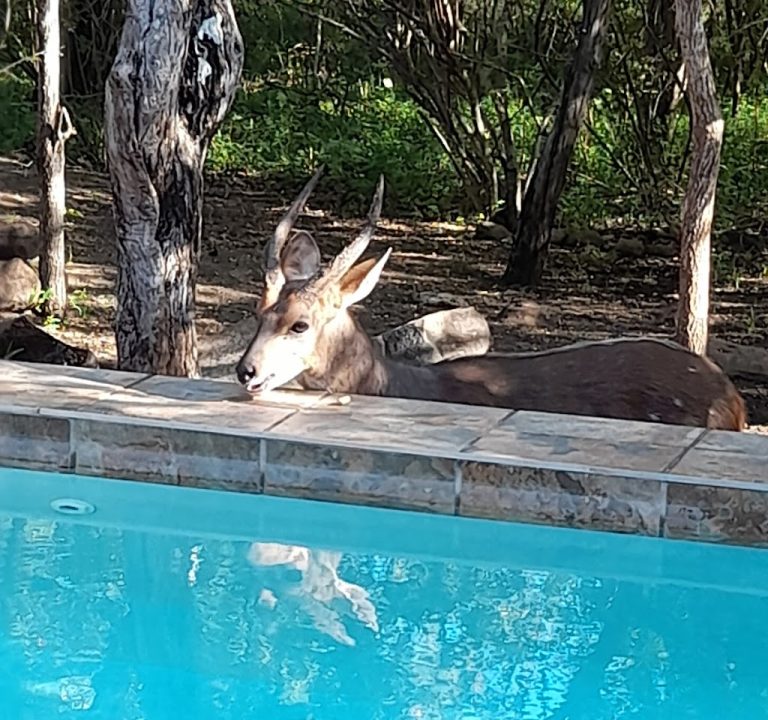
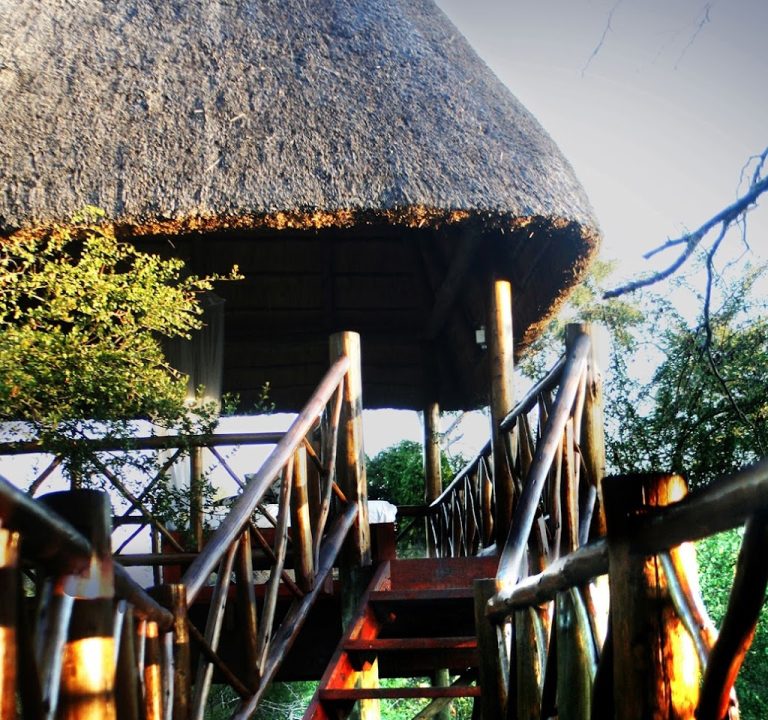
Accommodation in Marloth Park tends to range from self-catering lodges and safari-style homes to managed housing complexes with communal facilities. For many visitors, the appeal lies in stepping out your door and hearing the soundscape of the reserve: distant hippos, cicadas and the occasional dawn chorus. A typical stay includes access to a fully equipped kitchen, a comfortable lounge, and outdoor spaces such as balconies or verandas where wildlife may be observed from a safe distance. If you are travelling with family or a group, look for properties with multiple bedrooms and security features suitable for evenings indoors after a day of exploration.
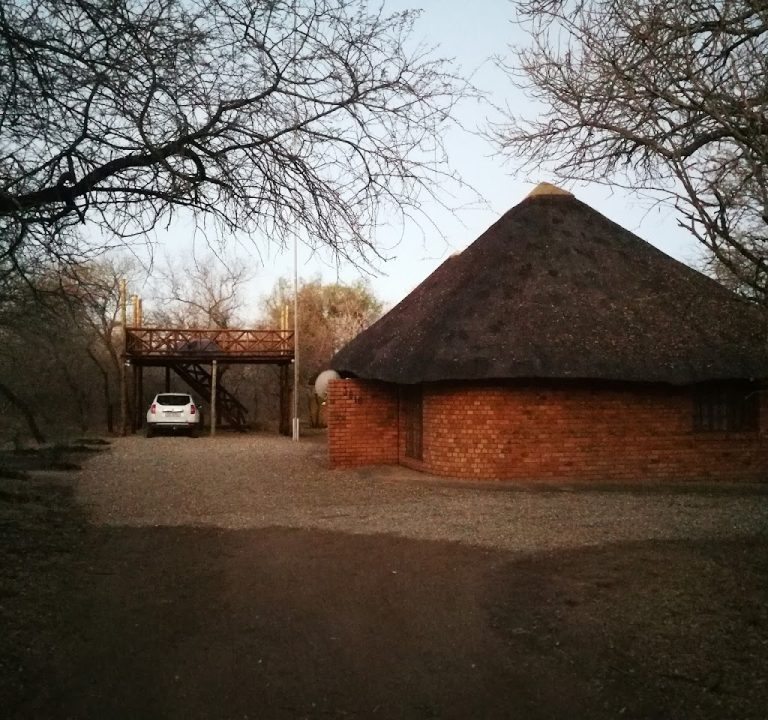
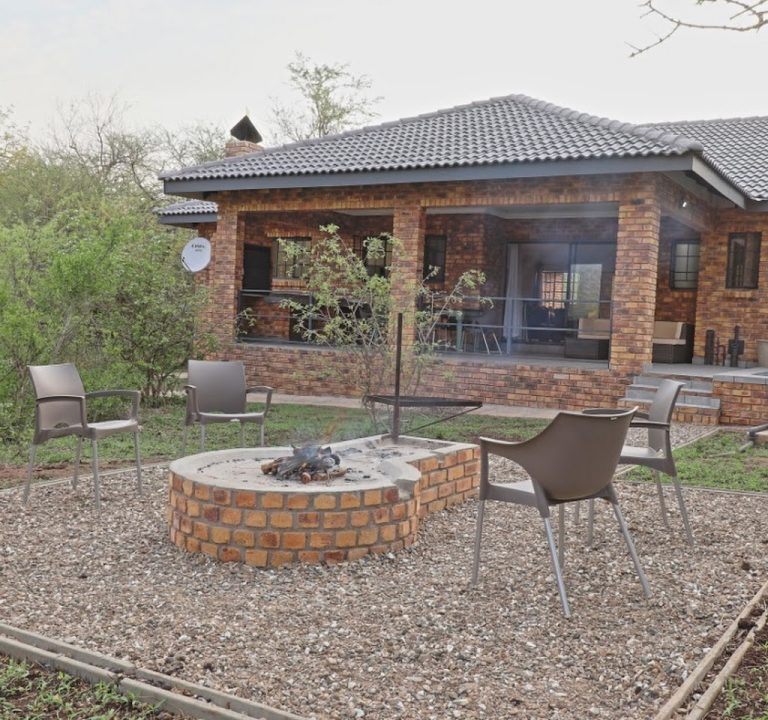
One practical approach to planning is to choose your base according to accessibility to major wildlife viewpoints and game drives. Marloth Park itself is bordered by conservation areas and is best enjoyed with a vehicle for flexibility. Look for properties with on-site parking, clear access routes, and information on gate times if your plan includes trips into larger reserves. Some units may offer private braai (barbecue) facilities, a staple of South African hospitality, which can be a social highlight after a day of exploring the parks.
When booking, consider the followingTypical amenities and features to look for:
- Self-catering kitchens or kitchens with basic provisions for easy meals
- Outdoor spaces for wildlife viewing and al fresco dining
- Quality view and privacy, with screens or barriers to ensure safe animal viewing
- Reliable air conditioning or fans for hot Lanatta climate summers
- Secure parking and good lighting for evenings
- Clear house rules about wildlife safety and access to shared facilities
Transport in Marloth Park is typically via private vehicle. The nearest supermarkets, petrol stations and services are spread across the local area or in adjacent towns, so it helps to plan your provisioning at the start of your trip. If you are not bringing a car, check with your host about arranging transfers or shuttle services, as public transport options are limited in the reserve environment. Some guests appreciate the freedom of a vehicle with high ground clearance for negotiating gravel roads and occasional corrugations, especially during the rainy season.
The best time to visit Marloth Park depends on your priorities. Wildlife viewing is active throughout the year, but the dry winter months (June to August) can offer clearer sightings as animals gather around water sources. The shoulder seasons often bring fewer crowds and mild weather, while the summer rainy season (roughly November to March) brings lush vegetation and occasional thunderstorms. Regardless of when you go, mornings and late afternoons tend to yield the best opportunities for animal encounters from safe, designated viewpoints on the property.
Practical planning tips for Marloth Park
- Confirm gate access rules and any resort-wide restrictions before arrival, as these can affect game drives and movement in and out of the area.
- Ask hosts about wildlife safety guidelines for balconies, verandas and outdoor cooking areas.
- Pack essentials for outdoor living: insect repellent, hats, sunscreen, and lightweight outdoor wear for early morning drives.
- Check for Wi-Fi coverage if you need to stay connected or work remotely, as connectivity can vary between properties.
- Consider travel insurance that covers outdoor activities and remote locations.
Beyond the wildlife experiences, Marloth Park offers access to local dining and social opportunities within a short drive. Visitors commonly use the area as a base from which to explore the larger Mpumalanga region, including day trips to nearby conservation areas, viewpoints, and the famous landscape of the Lowveld. While specific restaurant names and prices can vary over time, expect casual venues offering hearty South African fare and options for family meals. For guests seeking a relaxed evening, many accommodation providers facilitate braai nights or private dining arrangements that showcase regional ingredients and traditional favourites.
Accommodation options highlighted in Marloth Park can be found across several housing complexes and standalone lodges. For example, Klein Paradys offers a self-contained stay within a landscaped setting designed to blend with the surrounding environment. More information about this and similar properties can be found on their official listing pages and partner booking platforms, where you can compare features, photos and availability. Visit the property page at Klein Paradys for a sense of typical layouts and amenities you might expect from a well-presented park-side retreat.
In short, Marloth Park is ideal for travellers who value proximity to wildlife, a relaxed pace, and flexible accommodation that supports a home-style stay. By choosing the right area, checking for practical facilities, planning transport arrangements, and preparing for variable weather, you can craft a memorable and comfortable visit to this distinctive corner of Mpumalanga. Whether you are seeking a cosy self-catering lodge for a family holiday, a private villa for a romantic escape, or a functional base for long days in the field, Marloth Park offers a welcoming blend of nature and hospitality.