Accommodating Marloth Park: Where to stay, what to expect, and how to plan your visit
Nestled on the edge of the Kruger National Park in Mpumalanga, Marloth Park offers a unique blend of up‑close wildlife viewing and relaxed bushveld living. The landscape is defined by riverine scenery, open savannahs and a resident array of animals that roam freely within the security of the park’s plots. When planning a stay here, think about how you want to experience the bush: private wildlife sightings from a verandah, guided game drives, or slow mornings in a well‑appointed guesthouse before venturing out to explore the surrounding reserves and towns.
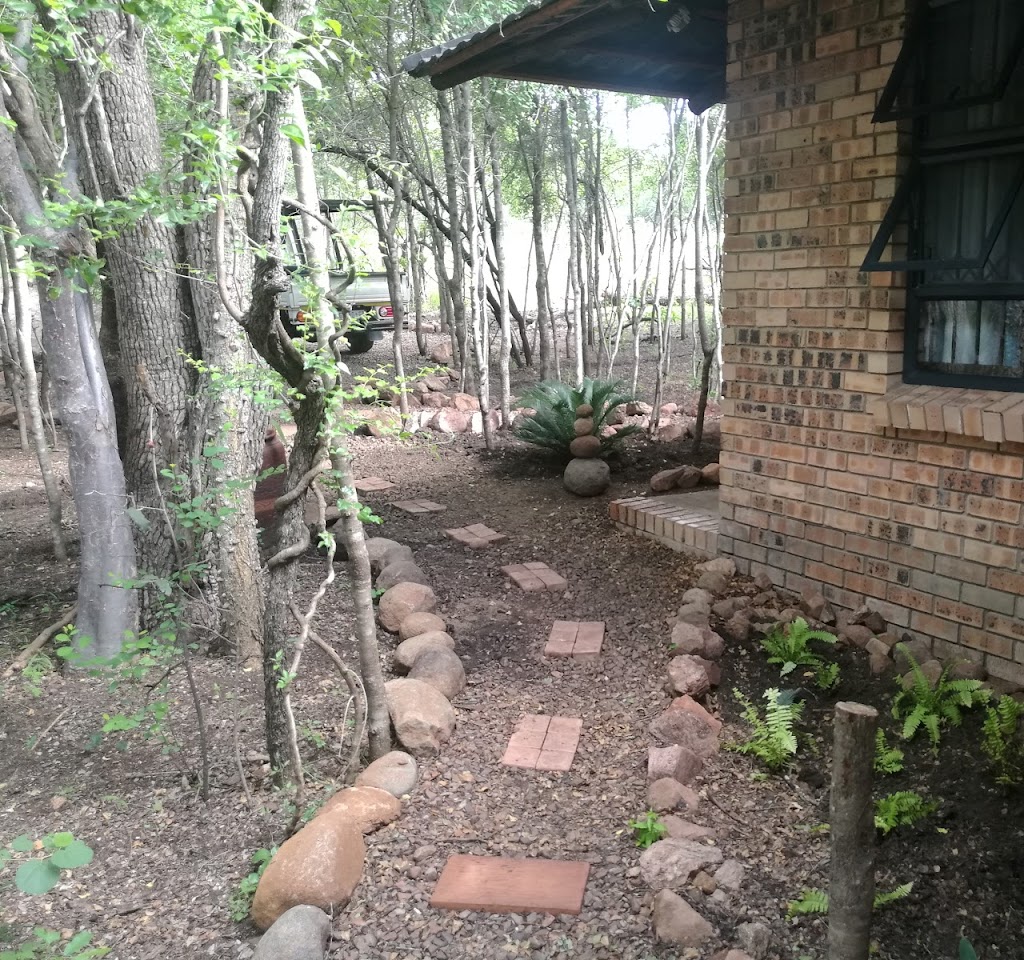
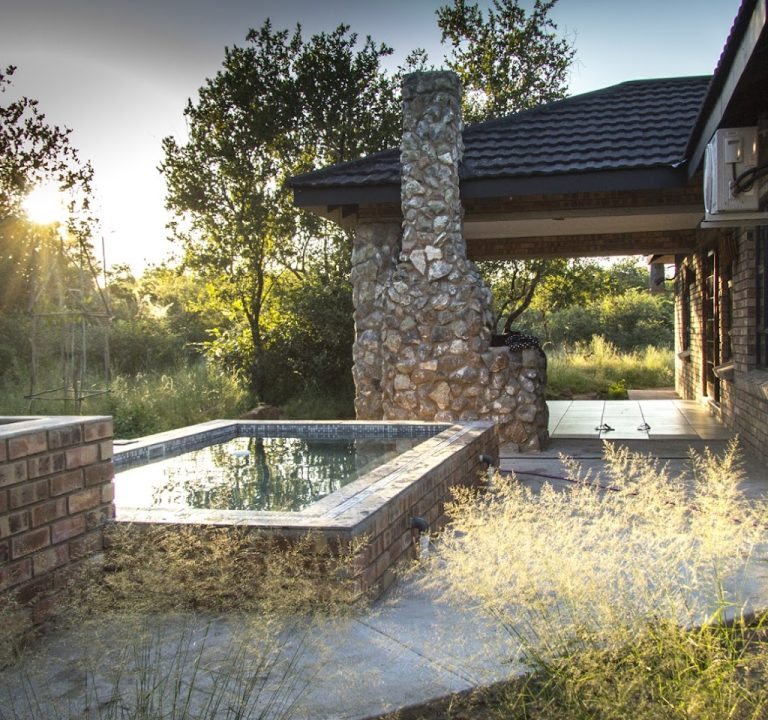
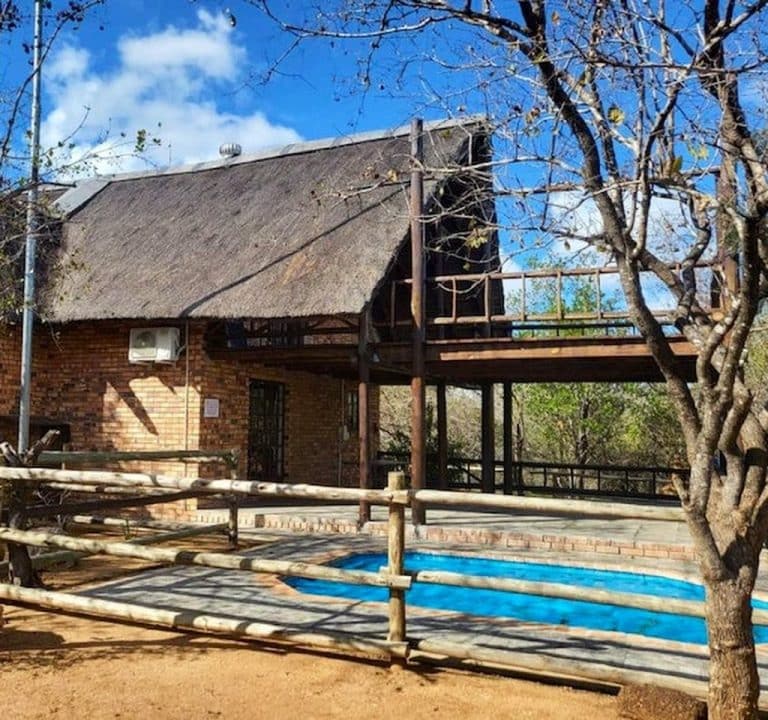
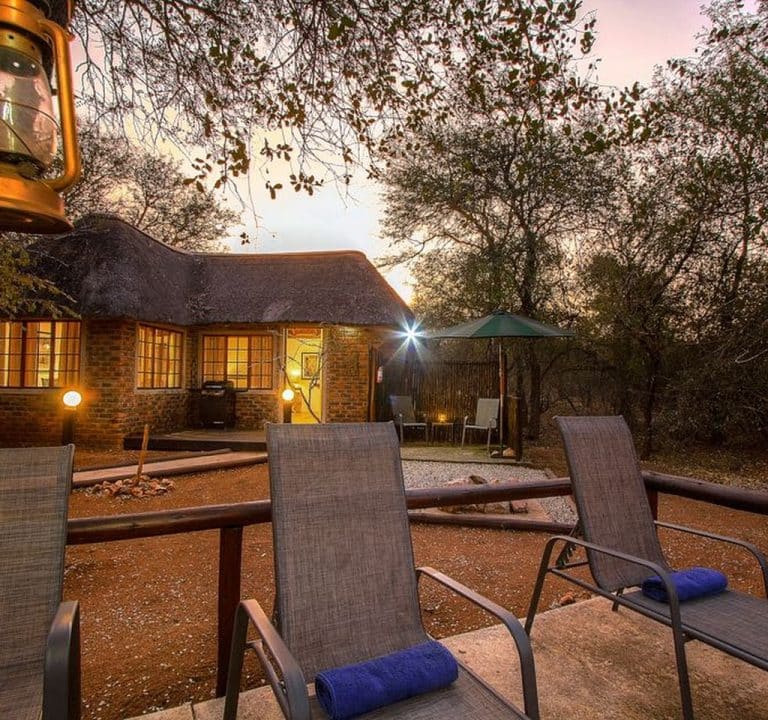
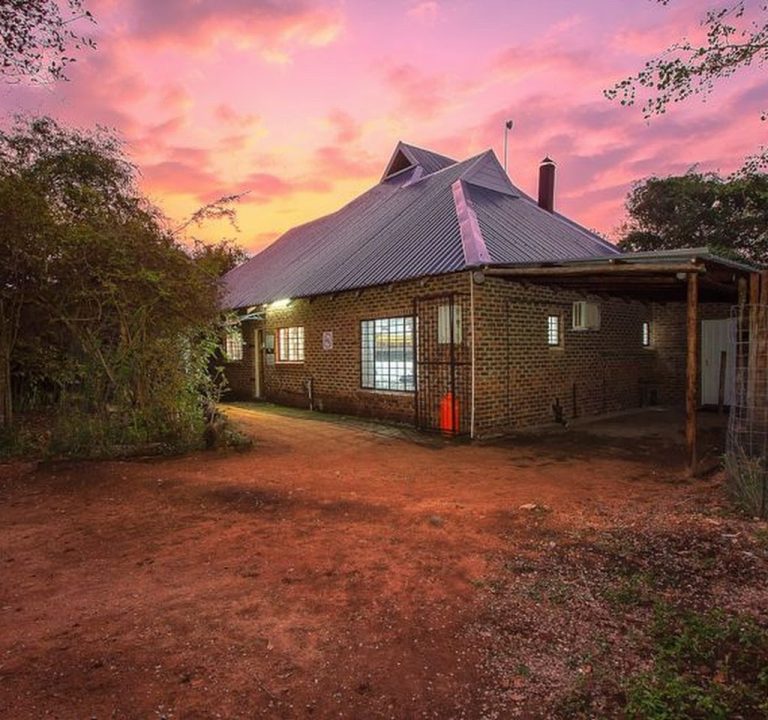
Accommodation in Marloth Park spans a range of styles, from intimate bed and breakfasts to larger bush lodges and self‑catering villas. Many properties are designed with animal‑friendly features in mind—raised decks for wildlife viewing, secure fencing or wildlife‑proof barriers around gardens, and shaded outdoor spaces for braais (barbecues). Common amenities include air‑conditioning for the hot months, fully equipped kitchens or kitchenettes, comfortable living areas, and private or shared pools. If you value a home‑from‑home feel with personal service, a B&B or a small lodge can offer a cosy base with breakfast options and friendly local tips.
Key areas within Marloth Park offer different vibes and access points. The central stretch near the river is especially popular for easy wildlife sightings from verandas and for favourites such as baboons and antelope gracing the lawns at dawn or dusk. A little further from the river, lodges and villas provide greater privacy and space, often with expansive gardens and larger pools. If you plan day trips to the Kruger National Park, consider proximity to the southern gates and the border towns, which can influence drive times and the sequencing of your daily safari routine.
When booking, consider the following:
- What type of encounter you want: self‑catering for flexibility or half‑board for convenience, with a focus on morning or late‑afternoon safaris.
- Privacy and wildlife considerations: some properties back directly onto natural areas with fewer barriers, while others sit behind more secure perimeters.
- Access and transport: Marloth Park is best explored by car, with a private vehicle giving you the freedom to set your pace for morning drives and sunset strolls.
- Proximity to gate routes: if your Kruger itinerary centres on a particular gate, choose a base that minimises daily travel between Marloth Park and your chosen entry point.
- What’s included in the rate: see whether breakfast, daily cleaning, and guest services like guided walks or game drives are offered, and what equipment (buckets, binoculars, mosquito repellent) you might need to bring.
Typical amenities across Marloth Park accommodation include private verandas or decks, outdoor dining spaces, braai areas, well‑equipped kitchens, air‑conditioning, ceiling fans, and dependable hot water. Some properties offer satellite or streaming TV, Wi‑Fi for remote work or social updates, and staffed experiences such as guided bush walks. A few lodges provide on‑site meals or have partnerships with nearby eateries, so it’s worth asking what culinary options are available during your stay.
Practical planning tips for your stay
- Best time to visit: the dry winter months offer clearer animal sightings and comfortable daytime temperatures, while the summer brings lush scenery and dramatic afternoon thunderstorms. Consider shoulder seasons for fewer crowds and more moderate pricing.
- Health and safety: check aktuelle malaria advice for the area and pack appropriate preventative measures. Stay hydrated and use sun protection during day trips.
- Transport: a reliable vehicle is essential; most guests hire a car or use a private transfer for longer day trips. Plan your fuel stops and keep a basic emergency kit in the vehicle.
- What to pack: binoculars, a camera with a telephoto lens, insect repellent, a hat, light layers for cooler evenings, and sturdy footwear for short bush walks.
- Respect for wildlife: observe from a safe distance, never feed animals, and follow park guidelines when outside your accommodation. Be mindful of early morning and late afternoon animal activity, which is when wildlife is most active.
- Connectivity and downtime: while some properties offer good Wi‑Fi, Marloth Park can feel wonderfully detached. Plan some days with offline activities, a book, or a relaxing poolside routine.
Dining and experiences in Marloth Park are shaped by the surrounding nature and the hospitality ethos of the accommodation community. Guests often enjoy a mix of self‑catering and on‑site meals, with opportunities to arrange traditional braais under the stars. For a wider culinary scene, short trips to nearby towns offer casual eateries and markets where you can sample regional flavours. Guided experiences—such as dawn or dusk game drives, bush walks with rangers, and birdwatching excursions—can enhance your stay without straying far from your base. These activities are typically booked through your host or a local operator, and prices vary by duration and group size, so it’s wise to clarify inclusions and logistics before arrival.
In short, Marloth Park provides a relaxed, wildlife‑rich backdrop for travellers seeking a bush stay with convenient access to the Kruger ecosystem. Choose a property that aligns with your preferred level of self‑sufficiency, privacy, and in‑house services, plan for flexible day trips to reserve gates and reserves, and enjoy the unhurried rhythm of this iconic Mpumalanga corner. For more information and to browse current listings, consult dedicated Marloth Park tourism pages or directly reach out to individual guesthouses and lodges via their websites.