Marloth Park, Mpumalanga: Accommodation, attractions and practical planning tips
Nestled on the edge of the Kruger National Park’s southern reach, Marloth Park is a crescent of wildlife-friendly accommodation around the Crocodile River. It’s ideal for travellers seeking a more intimate, nature-forward stay while still enjoying modern comforts. The area blends self-catering lodges, family-friendly guesthouses and more secluded bush homes, all within easy reach of Kruger’s famed wildlife corridors and its quieter downstream draws. For a stay that feels connected to the natural world without sacrificing convenience, Marloth Park offers a balanced base.
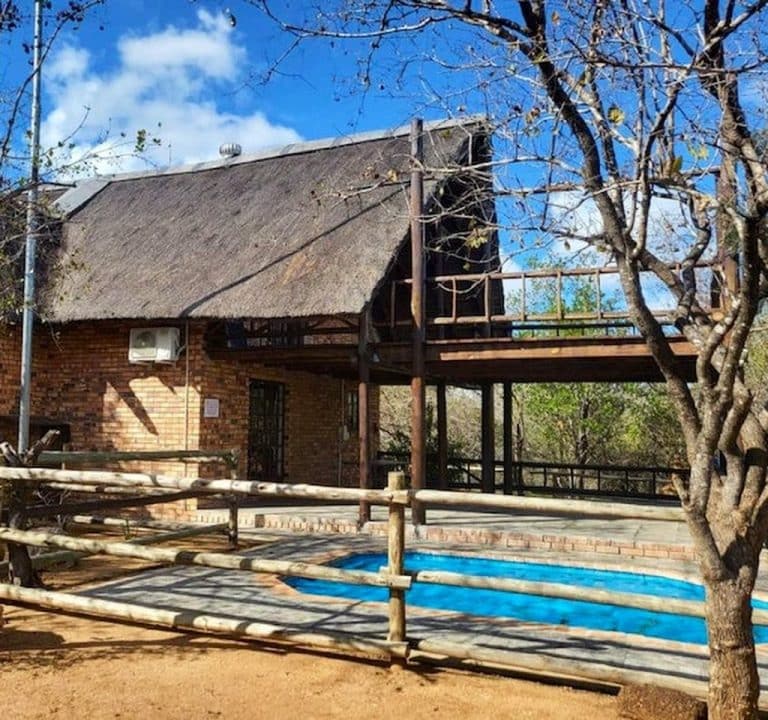
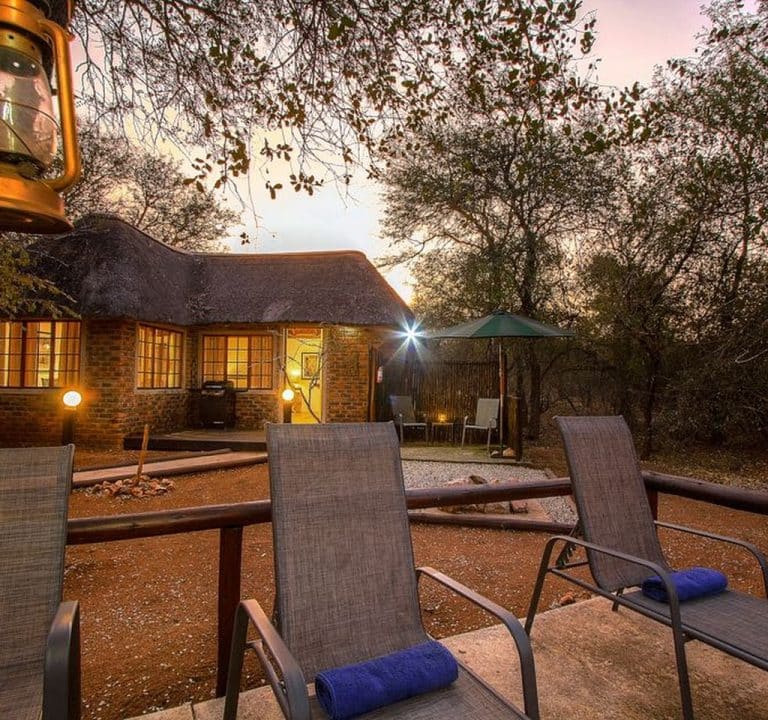
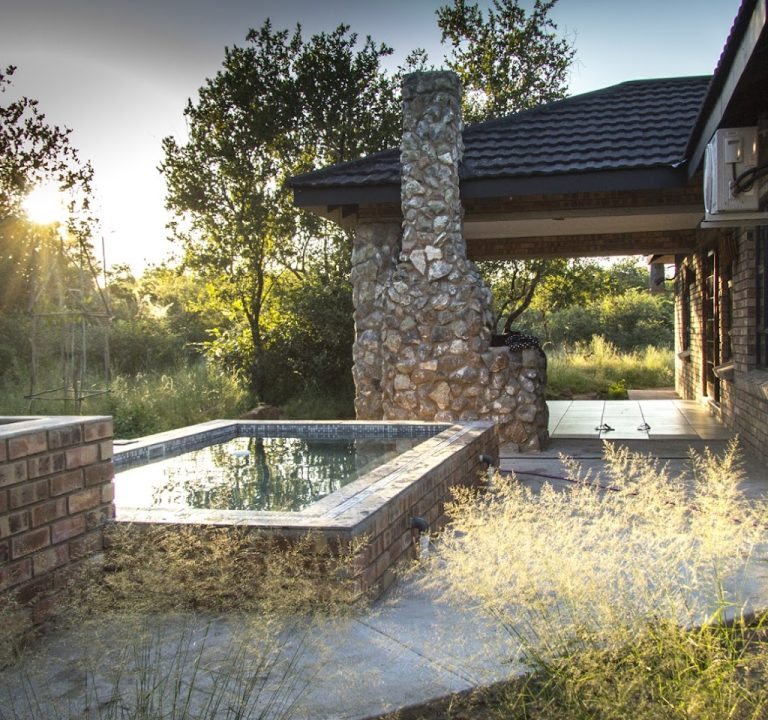
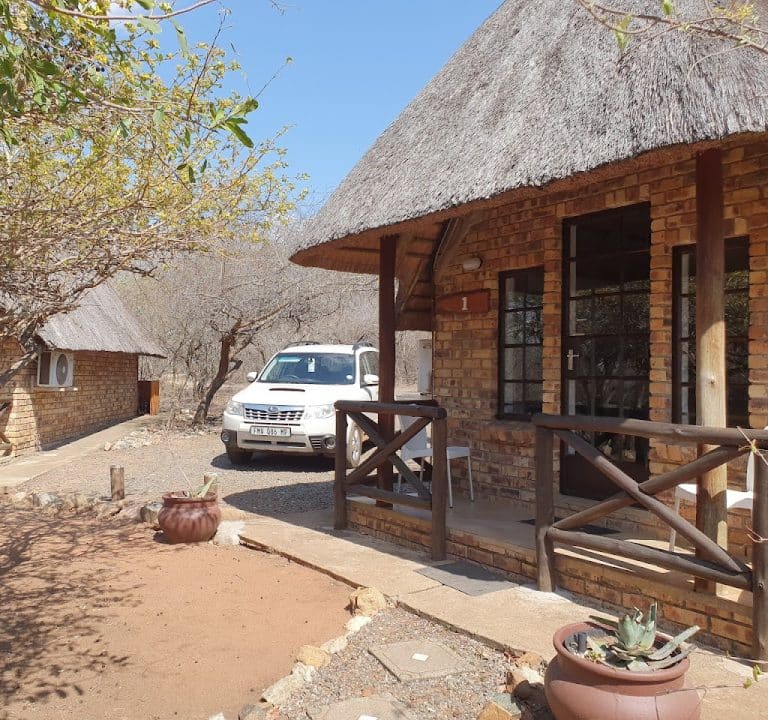
When planning a stay, consider the layout of Marloth Park and its surrounding corridors. The park is bordered by private villa enclaves and wildlife-friendly properties, many with elevated decks and shaded verandas that allow you to observe birds and small mammals as part of daily life. The Crocodile River acts as a natural boundary and potential wildlife viewing hotspot, particularly at dawn and dusk. For families, groups or couples, there are options ranging from compact self-catering cottages to larger, fully equipped homes with private pools and outdoor braai (barbecue) areas. If you’re exploring on a tight schedule or travelling with a larger group, look for properties offering flexible sleeping arrangements, secure parking, and clear guidance on access to gates and park borders.
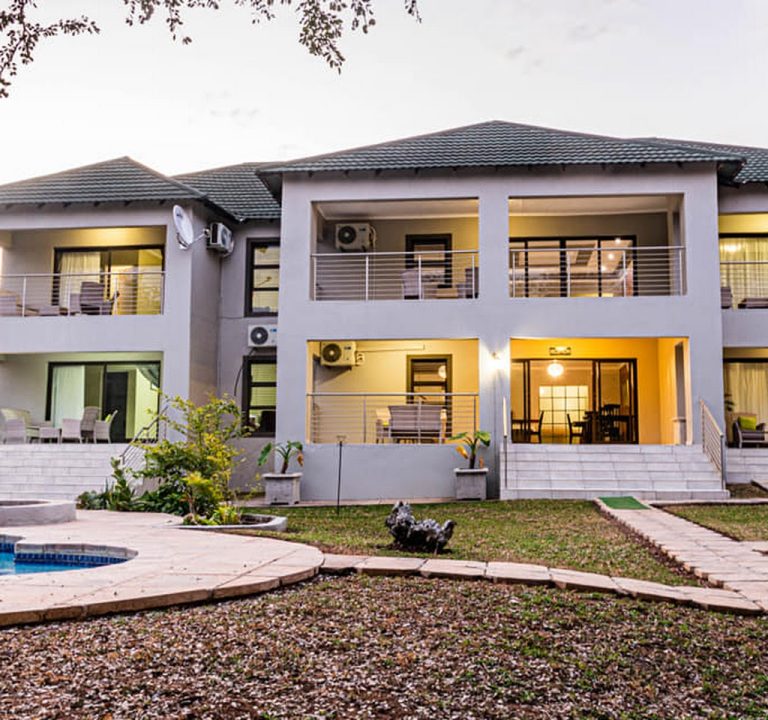
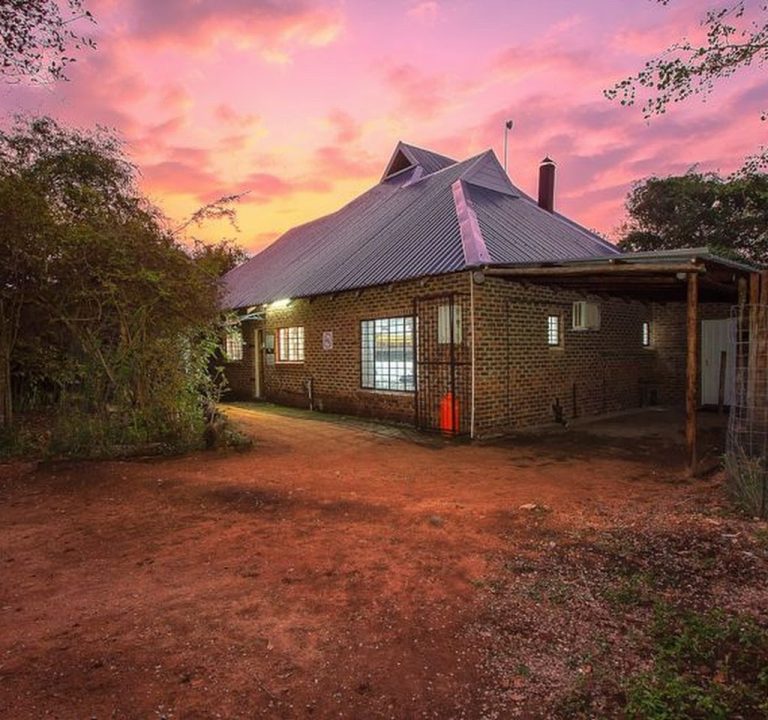
Accommodation options tend to cluster around a few practical zones. Proximity to the Kruger Gate routes can save travel time for early-morning game drives, while central Marloth Park locations offer quick access to shops, eateries and guided experiences. If you’re booking self-catering, you’ll often find well-equipped kitchens, outdoor cooking spaces, and ample living areas designed for relaxed evenings after a day on safari. For guests seeking more turnkey comfort, several lodges provide daily housekeeping, private game drives or guided bush walks, subject to seasonal availability and guides’ schedules. A notable local option, Eagle’s View Self Catering, typifies the self-catering appeal here, offering a private, self-contained stay with the freedom to tailor your days to wildlife sightings and calmer downtime alike.
What to look for when booking a property in Marloth Park falls into a few practical categories:
- Location within Marloth Park: near water points or quieter cul-de-sacs can affect wildlife visibility and noise levels.
- Outdoor spaces: decks, verandas or pools that enable safe, supervised wildlife watching.
- Access and security: clear gate procedures, secure parking, and reliable lighting for evening returns.
- Self-catering facilities: clean, well-equipped kitchens, plenty of utensils, and good refrigeration.
- Maintenance and service levels: responsive hosts, housekeeping options, and clear check-in/out processes.
Typical amenities you can expect include air conditioning or fans for warm Mpumalanga evenings, reliable water supply, Wi‑Fi in some properties (though wildlife may compress bandwidth at times), and well-kept braai areas for outdoor cooking. Many homes provide mosquito nets or screens, which can be a welcome feature during the wetter months. Since Marloth Park straddles a wildlife corridor, properties with fenced or partially fenced perimeters and clear guidance on child safety are worth prioritising if you’re travelling with little ones.
Transport and getting around are straightforward if you come prepared. A standard rental car offers the most flexibility for early-morning game drives and less frequent public transport options. The area is car-friendly, and many attractions are spread along forested and riverine routes rather than in a compact town centre. Driving times to the major Kruger entrances depend on the gate you intend to use, but guests typically favour the longer safari window rather than trying to squeeze everything into a single day. Pack a flexible itinerary that accommodates wildlife viewing at crepuscular hours (dawn and dusk) and plan in a few off-road or nature walks with a licensed guide if you’d like a deeper interpretation of the landscape.
The best time to visit Marloth Park largely mirrors Kruger’s climate and wildlife patterns. The dry season (roughly May to September) tends to offer clearer skies, more visible game along riverine edges, and fewer insects, making it a popular period for photographers and avid safari-goers. The wet season (roughly November to March) brings lush vegetation and a different variety of birds and mammals, but pathways can be slippery and storms may interrupt outdoor plans. The shoulder months can deliver a good balance of wildlife sightings and more comfortable temperatures for travel and strolls by the river.
Practical tips to enhance your stay:
- Check gate opening hours and any park access rules ahead of time, and carry proper identification for all travellers.
- Balance your days with a mix of self-catering downtime and guided experiences to maximise wildlife viewing opportunities.
- Pack layers for variable weather, plus sun protection and insect repellent suitable for malaria-prone regions—consult local guidance for current recommendations.
- Respect wildlife distances and avoid leaving food or attractants outside properties to support safe, ethical wildlife viewing.
- Plan a short itinerary that includes a day in the Kruger vicinity, plus a break to explore Marloth Park’s quieter corners and riverbank walks.
As you map out your stay, consider how you want to balance rest with adventure. Marloth Park is not only a convenient gateway to Kruger National Park but also a destination in its own right, where comfortable self-catering homes, attentive guesthouses and bush-focused lodges invite you to slow down, listen to the sounds of the bush, and revel in the region’s distinctive wildlife and landscapes. For inspiration and direct booking options, many properties maintain up-to-date websites with practical travel details, opening windows for planning a stay that aligns with your interests and budget.