Discover Marloth Park: A Guide to Accommodation and Experiences
Hidden beside the southern reaches of Kruger National Park, Marloth Park in Mpumalanga offers a unique blend of self-catering comfort, wildlife from the comfort of your verandah, and easy access to some of South Africa’s most iconic safari experiences. The village-style layout, shaded by acacia and marula trees, makes Marloth Park a laid‑back base for both families and couples seeking a relaxed escape with a touch of adventure.
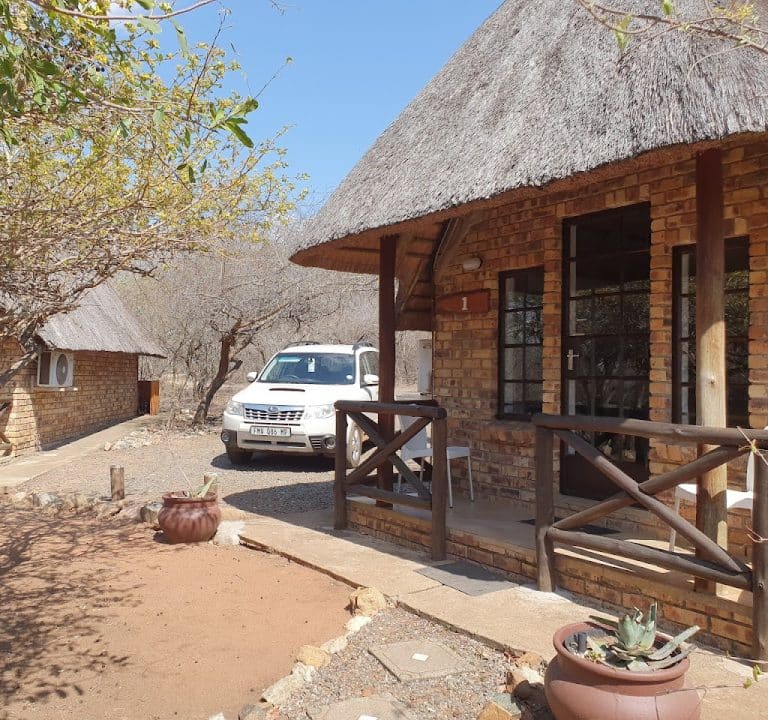
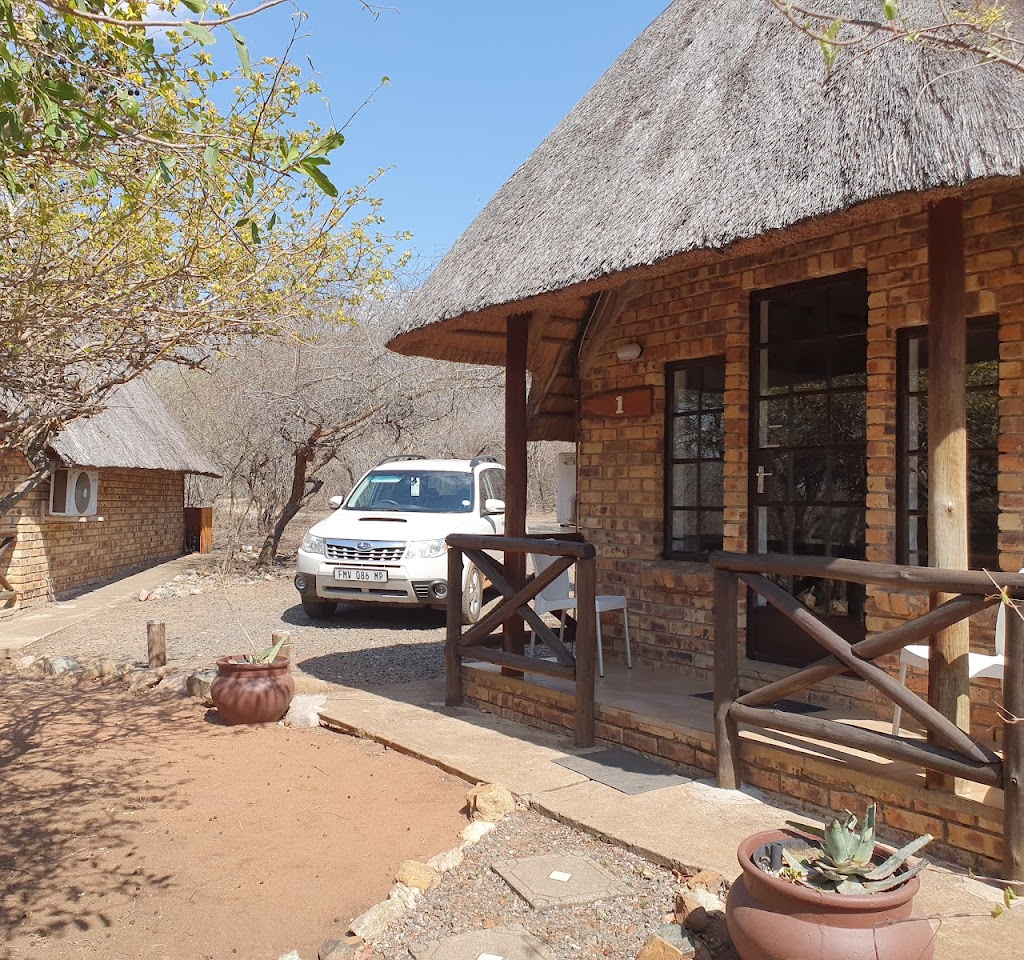
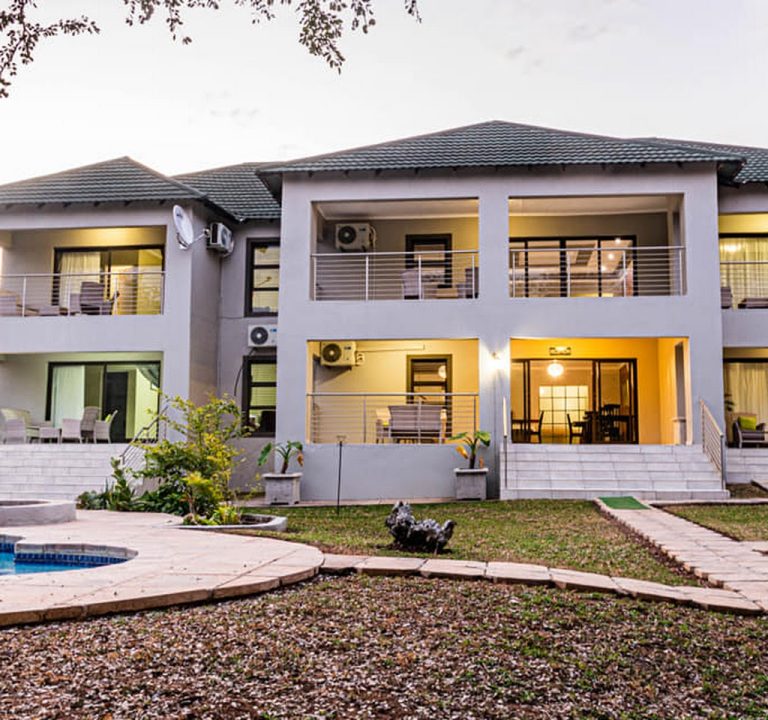
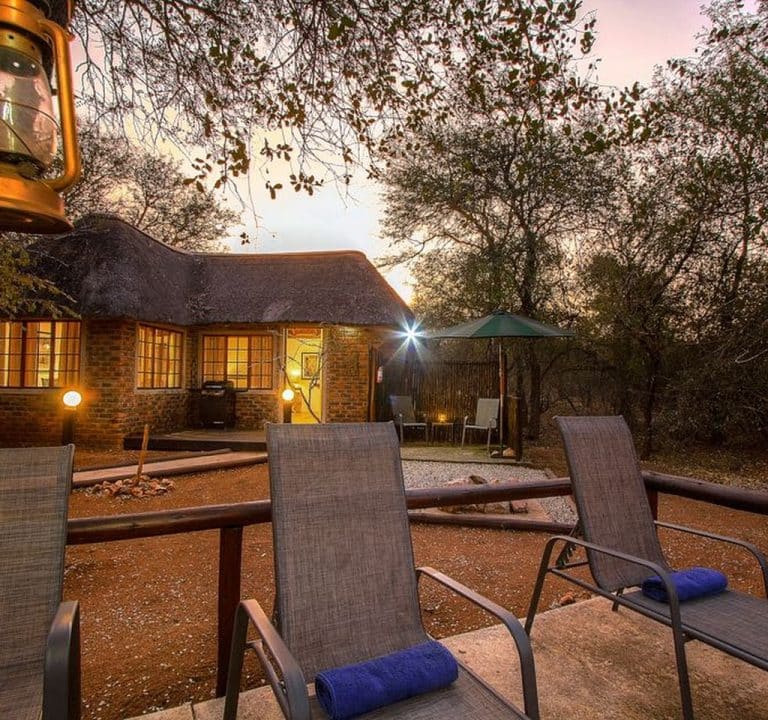
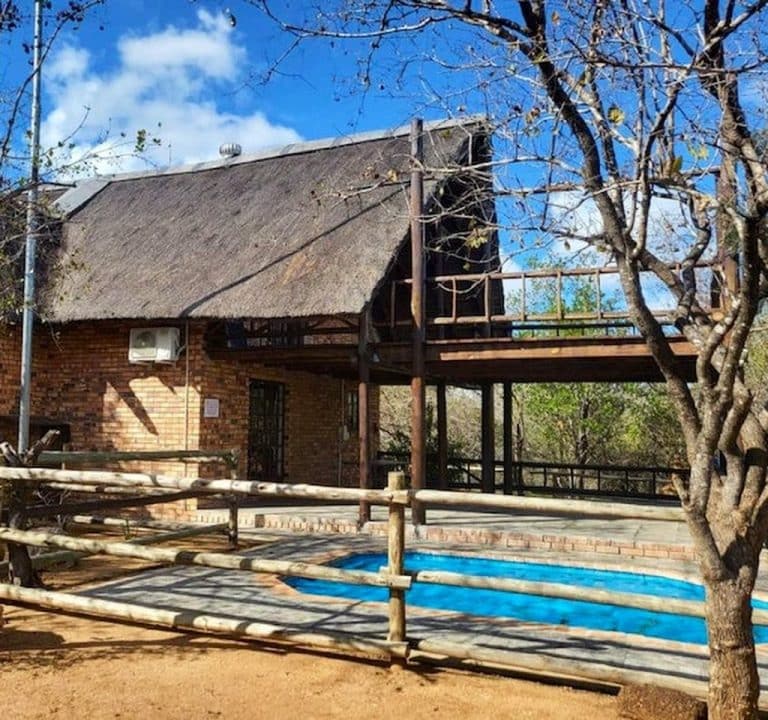
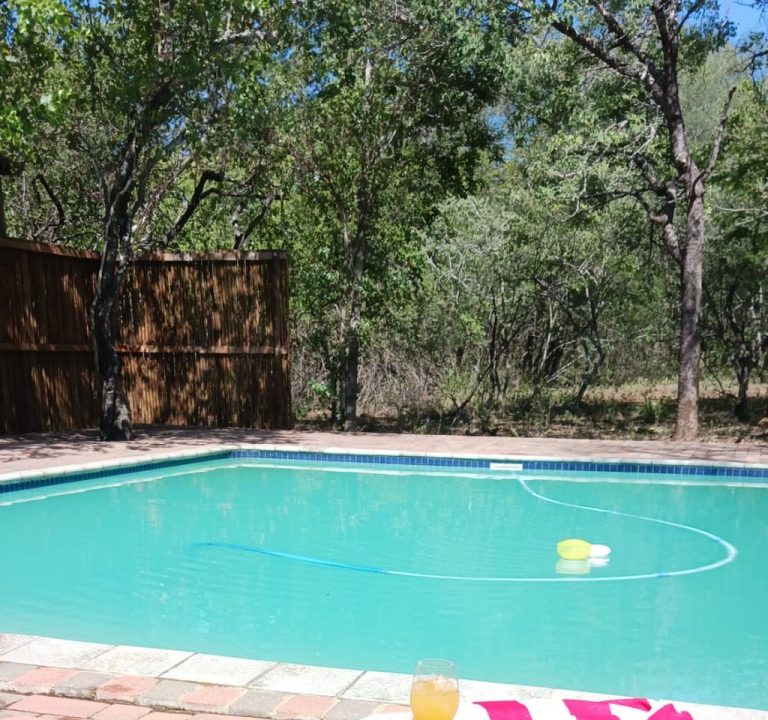
Accommodation in Marloth Park is dominated by self‑catering options, ranging from cosy bush cottages to larger houses with private pools and expansive decks. Self‑catering stays are especially popular, as they let guests tailor meals around animal-spotting dawns and dusks. Look for properties advertised as “self‑catering” or “fully equipped” with practical comforts such as private braai areas, fully stocked kitchens, clean linen, and reliable in-unit Wi‑Fi for any downtime after long days on safari. Some homes are designed specifically for groups, with multiple bedrooms and open-plan living spaces that flow onto outdoor seating under the trees.
When choosing where to base yourself, consider proximity to main entrances for game drives, the availability of shaded outdoor spaces, and access to electricity with backup options, especially in the summer thunderstorm season. Marloth Park is spread over several leafy sections, so it pays to check the exact location relative to the fence lines and the Marloth Park Conservancy, as this can influence wildlife viewing opportunities from your veranda or kitchen window.
Practical planning tips:
- Facilities: verify what is included in the kitchen—basic cookware, utensils, and dishware, plus a reliable fridge and stove. A dishwasher is a nice bonus but not essential in a bush setting.
- Maintenance and cleanliness: read recent guest reviews to gauge how well properties are maintained, particularly in hot months when insects and humidity can affect comfort.
- Security: check that secure parking is available and that properties have proper door and window latches, as wildlife visitors can be attracted to terraces at dawn and dusk.
- Accessibility: if you have mobility needs, confirm stair-free access and any step thresholds with the host before booking.
- Waste and water: in bushveld areas, departures often include guidance on waste disposal and water-saving practices to protect local ecosystems.
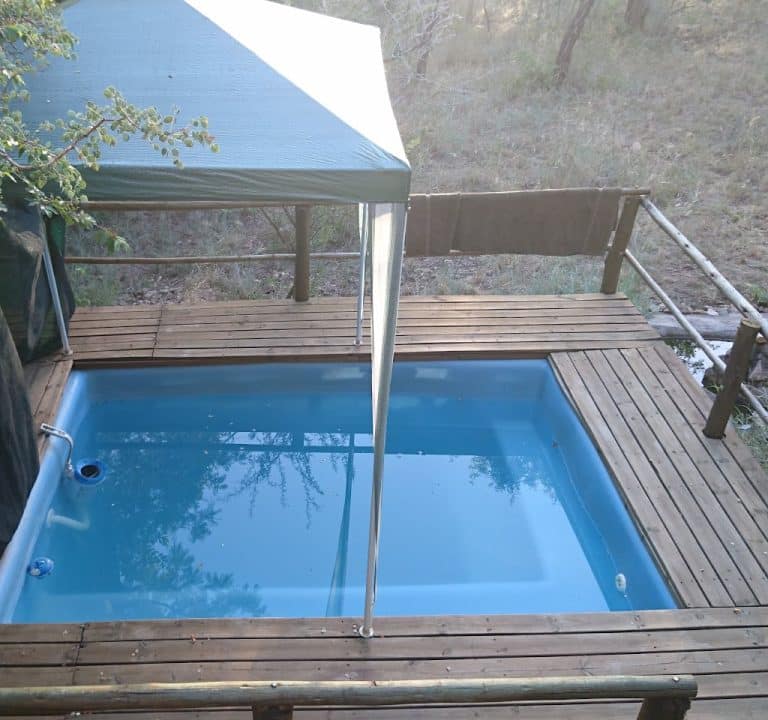
Typical amenities across Marloth Park self‑catering stays include shaded outdoor seating, braai facilities for traditional South African barbecues, air‑conditioning or fans for warm evenings, and ceiling fans for comfort during the heat of the day. Some homes offer observers’ decks or viewing hides where guests can watch birds, monkeys, vervet monkeys, and other wildlife from a safe distance. A generator or battery backup can be a welcome feature during occasional power interruptions, though many properties rely on stable mains power with appropriate load management.
Transport planning is straightforward but worth some forethought. Marloth Park relies on self‑drive exploration, so most visitors arrive by car and rely on private vehicle travel for day trips. The park itself is not navigable by public transport, so arranging a rental car or using your own vehicle is essential. For those seeking guided experiences, some hosts can arrange local game drives or wildlife walks with approved guides, often as add‑ons to your stay. If you plan to venture further afield, you’ll be just a short drive from the southern gate of Kruger National Park, where day visits or longer safaris can be arranged through reputable operators outside the park’s core entrances.
Best time to visit Marloth Park depends on wildlife activity, weather, and personal preference. The African winter (May to August) brings cooler mornings and evenings with pleasant daytime temperatures, which many travellers favour for outdoor activities and game viewing. The summer months (November to March) bring hotter days and a higher chance of thunderstorms, but vegetation is lush and animals are active early and late in the day. Birdwatchers will appreciate a variety of species throughout the year, with some migratory birds appearing during specific seasons. An important practical consideration is to pack layers for early morning safaris and a light waterproof layer for late afternoon showers.
Dining in Marloth Park tends to be informal and creature-comfort oriented. Many guests opt for self‑catering as the primary mode of dining, with opportunities to sample local produces for braai nights. Nearby restaurants across the broader region offer safari‑themed menus and uncomplicated fare, but you should expect a relaxed, informal atmosphere rather than formal dining experiences. When in doubt, ask your host for recommendations on where to find fresh groceries and the best spots for sunset meals with a view of the bush.
Practical planning for a successful stay in Marloth Park includes having a flexible itinerary that balances early morning wildlife watching with downtime on your verandah. Dress for comfort and safety—closed shoes for walks, a hat for sun protection, and a light scarf for cooler early hours. Bring camera gear with a good zoom lens to capture wildlife from a safe distance. Finally, respect the wildlife and the local guidelines: observe from a safe distance, never feed animals, and follow the hosts’ rules to protect both guests and the ecosystem.
For those seeking a nature-forward retreat with convenient access to one of Southern Africa’s premier wildlife regions, Marloth Park offers a welcoming home base. Explore self‑catering options that suit your group size and budget, plan around the best times for animal sightings, and enjoy the serenity of a bushveld setting with the comforts of home nearby. For further inspiration, you can browse properties and plan your stay via reputable local listings and the hosts’ official websites.