Accommodation and Experiences in Marloth Park, Mpumalanga: A Traveller’s Guide
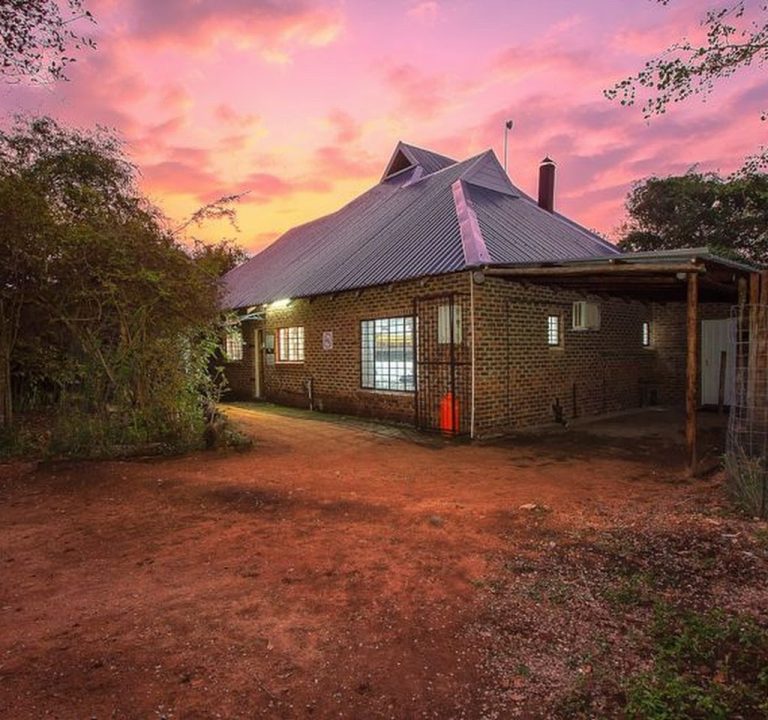
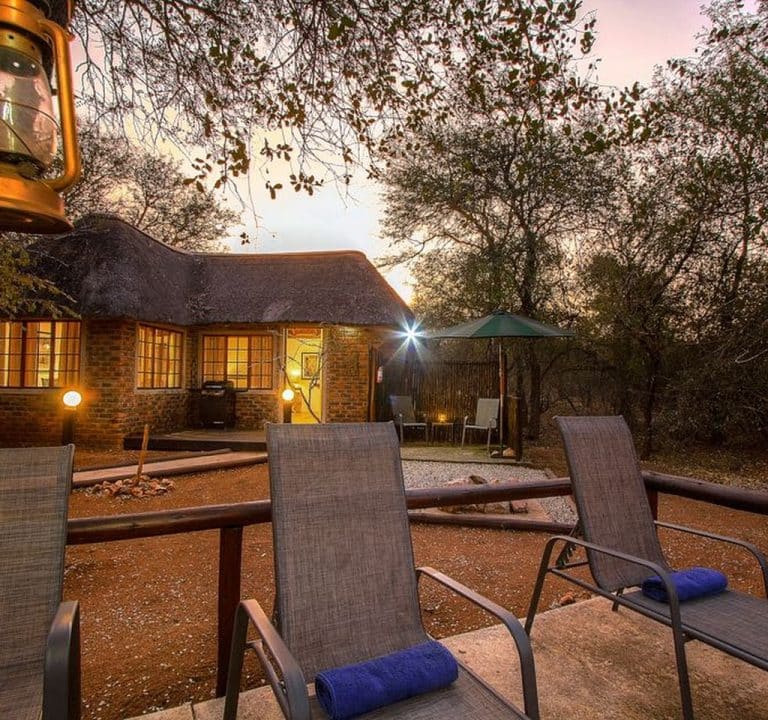
Situated on the edge of the Kruger National Park, Marloth Park in Mpumalanga offers a relaxed, nature-forward base for visitors seeking wildlife encounters without the crowds of bigger reserves. The area is characterised by thatched roofs, leafy streets, and spacious self-catering lodges, many with generous verandas and private braai areas where you can enjoy the sounds of the bush from the comfort of your accommodation.
When planning a stay in Marloth Park, consider where you want to base yourself within or near the reserve. The township itself provides a network of easy-going options, while entrances to the Kruger Gate and other wildlife highlights are a short drive away. It is common to find self-catering homes and lodges nestled among woodland and riverine areas, offering an intimate, family-friendly atmosphere that’s well suited to travellers who prefer flexible schedules and home comforts.
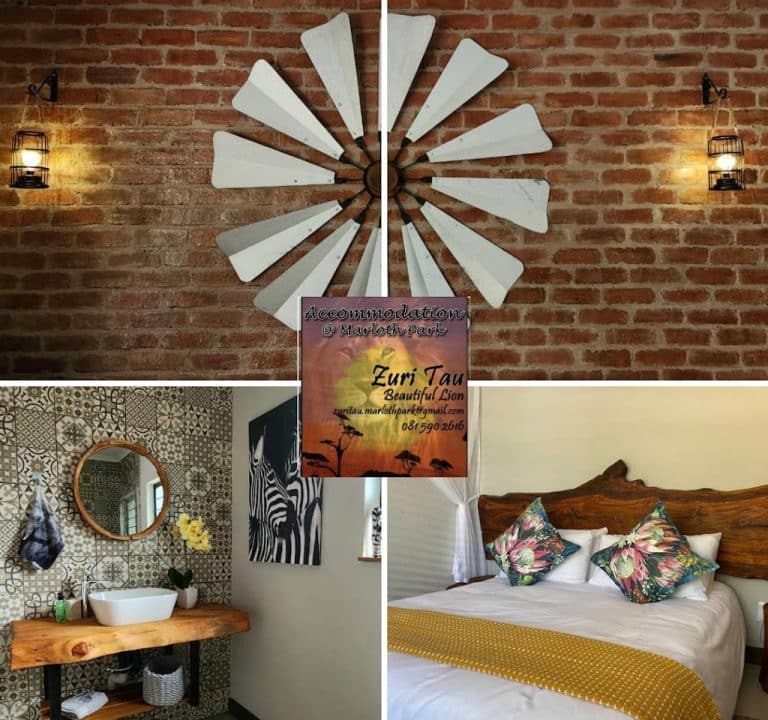
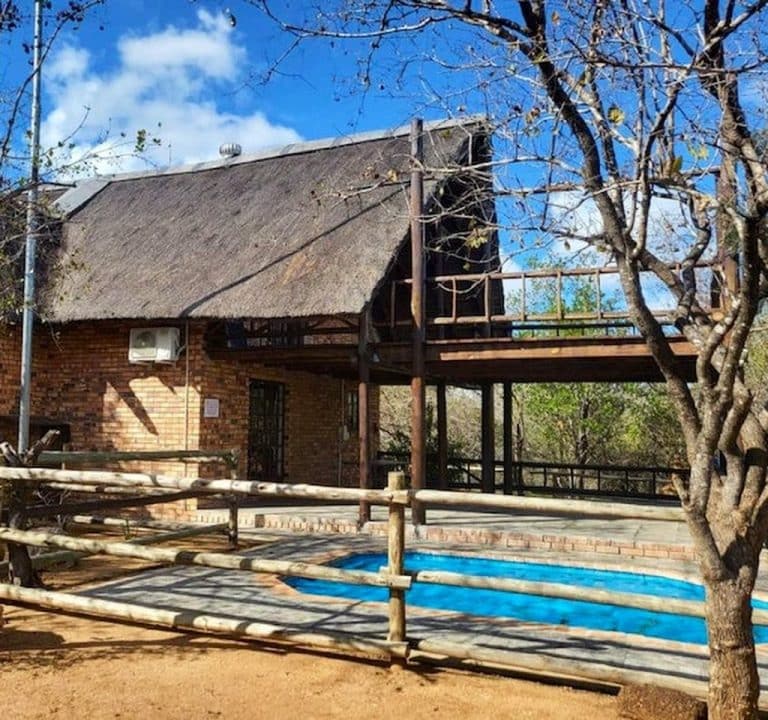
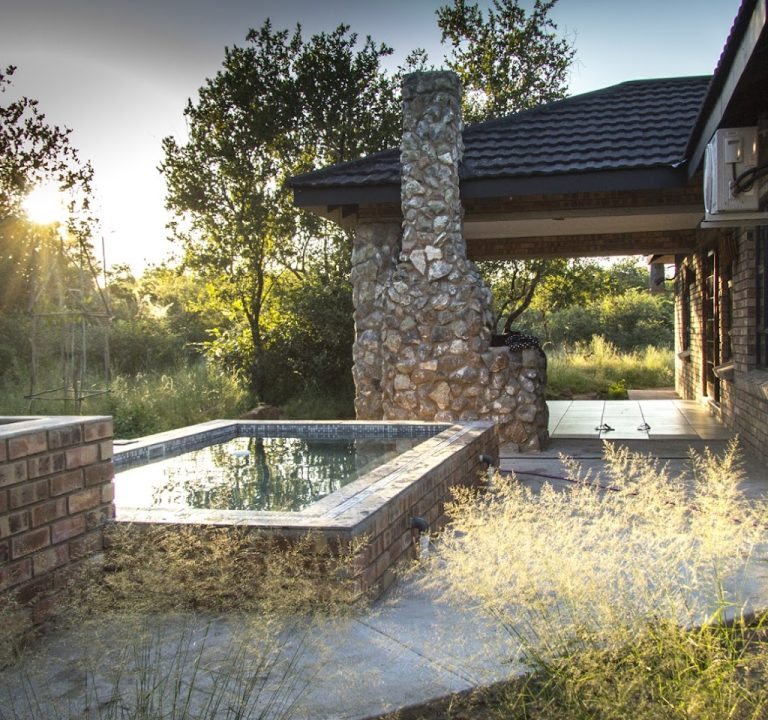
Typical accommodation in Marloth Park spans self-catering lodges, cosy guesthouses, and boutique stays. Many properties are designed for guests who value privacy and outdoor living: private decks, outdoor dining areas, splash pools, and well-equipped kitchens are common features. If you are travelling with companions or family, self-catering options can be particularly convenient, helping to keep costs predictable while allowing you to tailor daily meals and picnic snacks for day-long wildlife excursions.
Key planning considerations include the size of the property, parking arrangements, and access to water and power. Because Marloth Park sits in a wildlife-rich environment, some properties offer bush-friendly features such as elevated vantage points, insect screens, and secure fencing around outdoor spaces. Check whether the lodge provides essentials such as air conditioning or fans, reliable Wi-Fi for those who cannot be disconnected entirely, and clear guidance on gate access and the handling of wildlife on the property. If you are visiting with children, confirm that outdoor spaces are child-safe and that there are suitable toys or books to keep younger guests entertained during downtime between game-viewing activities.
Transport and access form an important part of your Marloth Park planning. The area is best explored by self-drive, with a comfortable vehicle recommended for rides into nearby wildlife areas and game-viewing opportunities. Many guests use as-needed transport for day trips to the Kruger National Park and other regional attractions. If you do not bring your own vehicle, check whether your accommodation offers guest shuttles or can recommend reliable local operators. It is also wise to note gate opening times and any seasonal road conditions that might affect travel plans, especially during the wetter months when some lanes can become muddy after rains.
The best time to visit Marloth Park depends on what you want from your trip. The dry season (typically from May to September) is popular for wildlife viewing, as animals congregate around water sources and vegetation is thinner, making sightings easier. The shoulder periods can offer a balance of pleasant weather and wildlife activity, while the wetter summer months bring lush scenery and a chorus of birds, though short, heavy afternoon showers can interrupt outdoor plans. For stargazers, the clear night skies away from city lights add another dimension to evenings on a verandah or around a campfire.
Exploring Marloth Park also means enjoying local dining and casual, take-home meals. While not a large urban centre, the area offers a handful of dining venues and basic conveniences, with menus that typically emphasise hearty, country-inspired cooking and grill-first fare. For visitors preferring to dine within their own accommodation, many properties stock pantry essentials or provide fully equipped kitchens perfect for barbecues and relaxed suppers after a day of wildlife viewing. If you fancy exploring beyond Marloth Park itself, your host or property manager can usually point you to nearby restaurants or eateries in the surrounding towns, along with practical tips for reservations and dress codes.
Notable accommodation in Marloth Park includes dedicated self-catering properties that emphasise privacy and a connection with the outdoors. For example, a family-friendly self-catering option with a well-equipped kitchen, spacious living areas, and outdoor entertainment spaces provides a convenient home base during your Kruger-area explorations. Visitors often choose properties that are mindful of wildlife ethics—ensuring safe distances from animal activity and providing guidelines on behaviour in and around the bush. Always follow posted rules at each property and respect wildlife at all times.
Practical tips to help you plan your stay:
- Book early for peak wildlife seasons and school holiday periods to secure preferred locations with自然-friendly siting and outdoor spaces.
- Check for essential amenities such as reliable power supply, air conditioning or fans, insect screens, and secure parking.
- Ask about gate access, vehicle requirements, and any wildlife viewing guidelines specific to the property.
- Consider a stay that combines a few days of bush experiences with downtime at your accommodation, allowing time for cooking, relaxation, and stargazing.
- Plan your Kruger National Park day trips well in advance, noting drive times from Marloth Park and gate opening hours.
For inspiration and a starting point, Marloth Park offers a range of self-catering retreats, including properties such as Kruger Wild Dog Inn, which provides a practical base for guests seeking comfortable, home-like facilities with easy access to the park’s wildlife and scenic trails. You can explore more about such stays on their official website: Kruger Wild Dog Inn.
In summary, Marloth Park provides a relaxed, nature-filled base from which to explore Mpumalanga’s wildlife heritage. With a focus on self-catering convenience, private outdoor spaces, and easy access to the Kruger ecosystem, a stay here can be both family-friendly and deeply restorative. By planning around transport, gate logistics, and seasonal wildlife patterns, you can enjoy a rewarding blend of comfort and adventure, whether you are watching for elephant silhouettes at dusk or sharing a sunset braai with good friends in your own leafy retreat.