Mbabane: Where to stay, what to see, and how to plan a comfortable visit
Mbabane, Eswatini’s capital, sits high on the edge of the lilting lowveld and offers a convenient base for guests exploring the country’s mountains, valleys, and cultural landscapes. The town itself blends administrative energy with a relaxed, traveller-friendly vibe, and it serves as a good starting point for day trips into the surrounding hills and nature reserves. A stay here can combine easy access to services with a quieter atmosphere than some coastal or game-viewing hubs.
When planning a stay in Mbabane, consider the area you’d like to base yourself in. Central Mbabane puts you within walking distance of small shops, cafes, and the occasional market brimming with local crafts. A little further out, the surrounding valleys offer more scenic drives, cooler air, and tranquil views. If you’re drawn to lush scenery and a touch of luxury, you may want to explore lodges or boutique guesthouses perched in the foothills or within easy reach of Ezulwini Valley, a short drive away, where the landscape rises and the views become expansive.
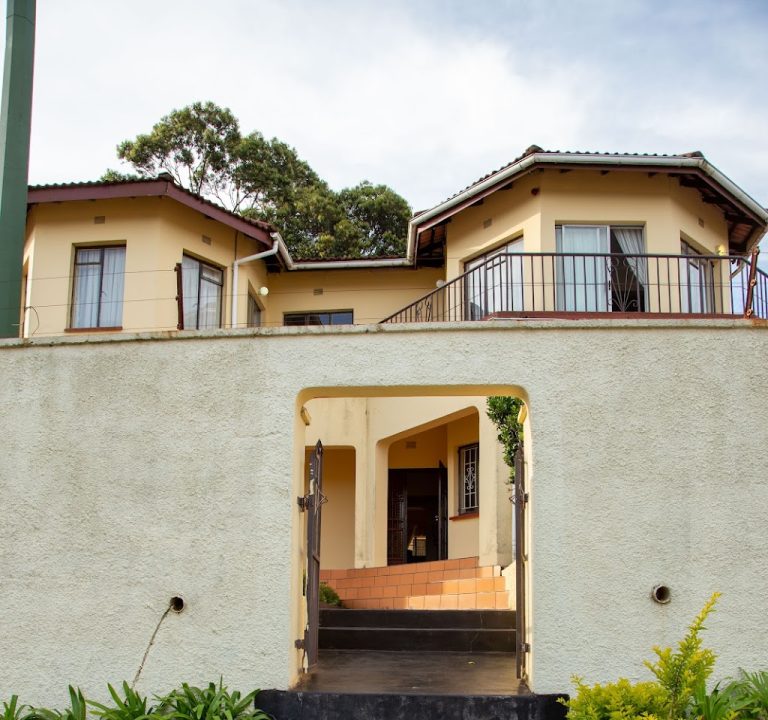
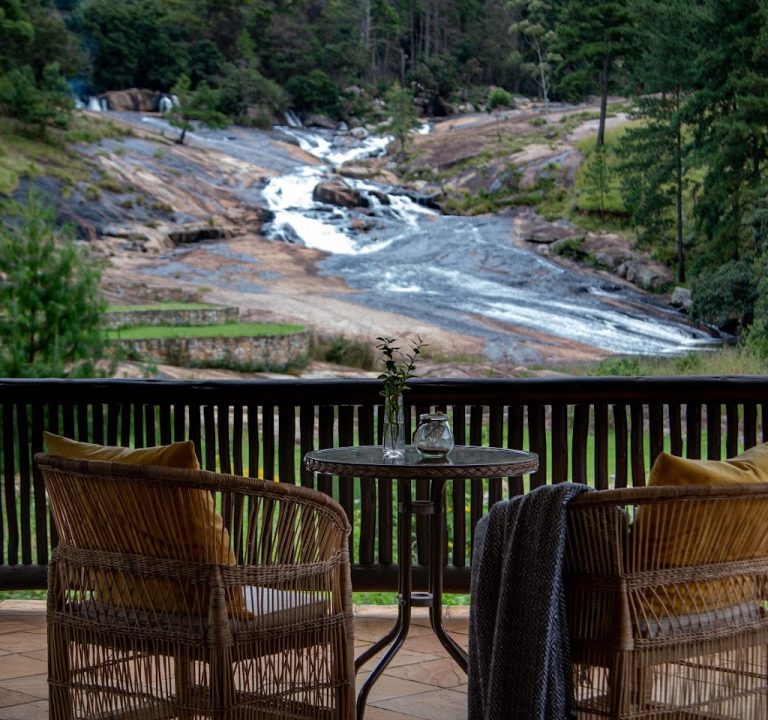
Accommodation options range from well-appointed hotels in the town centre to intimate guesthouses and self-catering cottages. In the town, you’ll find properties that prioritise comfort, reliable dining options, and straightforward access to business facilities if you’re visiting on work-related duties. In the hills, you might discover guesthouses and boutique lodges with more room to unwind, gardens that invite a morning coffee, and terraces offering a sense of seclusion while still being within reach of Mbabane’s amenities. Whether you prioritise a polished lobby, a swimming pool, or a homely verandah where you can breakfast al fresco, you’ll find choices that suit different budgets and travel styles.
Typical amenities to look for when booking include air conditioning or good ceiling fans for warmer days, reliable Wi-Fi, a well-equipped en-suite bathroom, and options for late dining or in-room meals. For many travellers, a complimentary breakfast is a comfortable way to start the day, particularly if you’re planning early excursions into the surrounding countryside. If you’re hiring a car, confirm parking arrangements and easy access routes in and out of town. Some properties arrange airport or local transfers, while others are best reached by a short taxi ride or a scenic local shuttle.
Transport within Mbabane is straightforward but varies by area. The town centre is compact enough to explore on foot, especially for casual strolls to markets and restaurants. If you plan day trips to the Ezulwini Valley or nearby reserves, a car is the most convenient option, giving you flexibility to plan stops along the way. If you prefer not to drive, look for guesthouses or hotels that can arrange guided tours or private transfers, which can be a practical way to fit in several attractions without the hassle of navigation.
The best time to visit Mbabane aligns with Eswatini’s mild winter and warm, rainy summer. May to September is dry and cool, making long walks and outdoor activities comfortable, while the shoulder seasons in spring and autumn offer pleasant temperatures. The rainy months can bring lush landscapes and dramatic skies but may disrupt longer drives or outdoor plans, so it helps to have flexible itineraries and indoor alternatives.
What to plan for during your stay:
- Daily activities: Plan short walks in the town, markets for crafts, and scenic drives into nearby hills. If you enjoy nature, allocate a day to reserved nature areas with panoramic viewpoints.
- Food and dining: Mbabane boasts a range of eateries from casual cafés to more formal restaurants. You’ll find a mix of local Swazi dishes and international-style menus. A gentle approach to dining is to pace your meals with the day’s pace and leave room to try a dish that reflects the region’s ingredients.
- Practical tips: Pack layers for cooler mornings and evenings, a light rain jacket for the wet season, and sturdy footwear for easy hills and markets. Carry cash for markets and smaller venues where card facilities may be limited. Confirm check-in times ahead of arrival and discuss late arrangements if you’re arriving after hours.
Places to consider visiting around Mbabane include countryside viewpoints, small museums or cultural centres that showcase Swazi heritage, and nearby public gardens or parks where strolling is pleasant. If you’re curious about Swazi history and culture, you’ll find informative exhibits and guided talks at community venues or small local sites. Dining in the area tends to emphasize fresh ingredients, with seasonal dishes that reflect both Swazi traditions and the influences of neighbouring regions.
Booking a stay in Mbabane can be straightforward if you prioritise practical details alongside comfort. Look for properties that are responsive and clear about policies, especially regarding cancellation, breakfast provisions, and any on-site facilities such as a pool or a garden space for relaxing after a day of sightseeing. Weather can influence your packing and daily plans, so consider flexible options for accommodation with indoor alternatives in case of rain.
In short, Mbabane offers a convenient and varied base from which to explore Eswatini’s landscapes and culture. From well-appointed hotels in the town centre to tranquil guesthouses tucked into hillside terraces, you’ll find comfortable spaces that suit different budgets, and a range of dining options and day trips to enrich your stay. With thoughtful planning—choosing a convenient area, confirming transport options, and selecting essential amenities—your visit to Mbabane can be both restorative and efficiently structured, leaving you free to enjoy the best of Eswatini’s hospitality.