Mbabane: Where to stay, what to explore, and how to plan a memorable Eswatini visit
Mbabane, the administrative heart of Eswatini, sits on the border between the highveld and forested escarpments. It blends modern facilities with easy access to nature, culture and craft markets. When planning a stay here, consider staying in or near the city centre for easy access to shops, cafes and transport links, or choose a quieter hillside or outlying lodge for a more relaxed base from which to explore the region. A well‑chosen accommodation can offer you comfort after day trips, a reliable base for business or a gateway to the nearby hills and reserves.
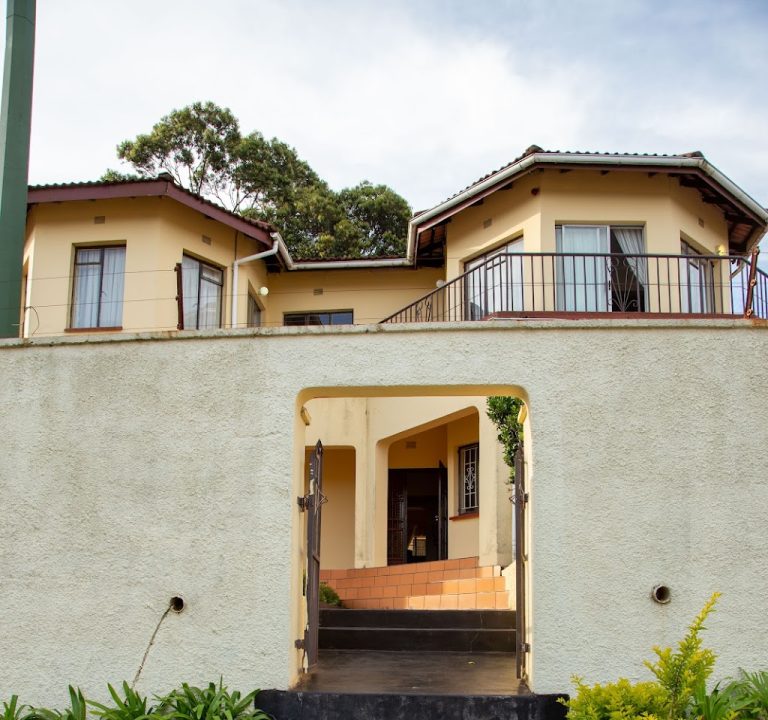
Accommodation in Mbabane covers a spectrum from stylish hotels and boutique guesthouses to lodge-style properties on the outskirts. If you are researching options, look for places that clearly list practical features such as reliable Wi‑Fi, secure parking, on‑site dining or easy access to a nearby café culture, and a reception that can help with transfers or day trips. For families, check whether the property offers family rooms or suites, child-friendly facilities, and level access. For couples or travellers seeking tranquillity, a well‑appointed room with a garden or terrace can make a big difference after a day on the road or touring the surrounding area.
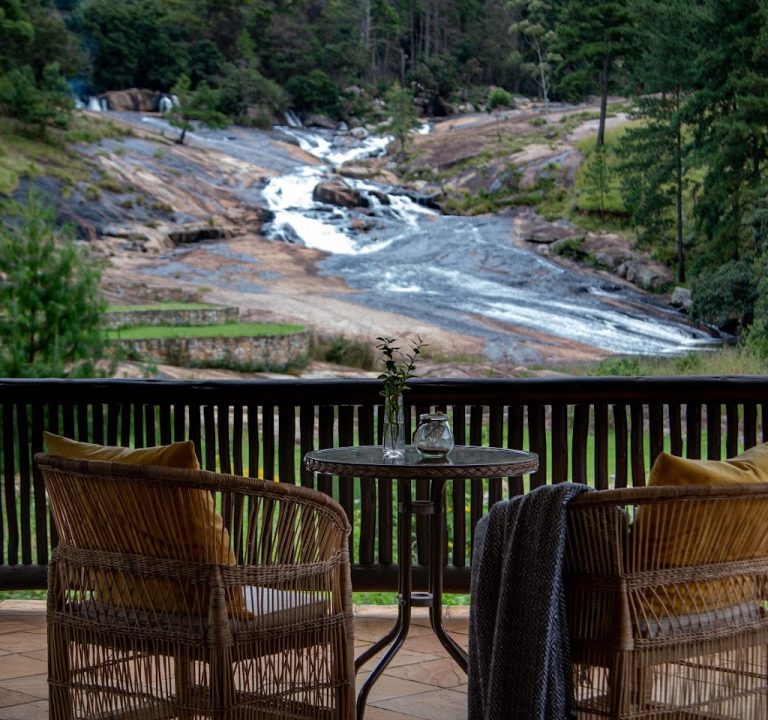
One example to consider is a lodge-style property linked to the falls and the surrounding scenery, which may offer scenic views, a pool, and on‑site meals. While facilities vary, many established lodges in the area emphasise comfortable beds, generous breakfast options, and well‑maintained gardens—ideal for unwinding after a day of exploring. Always verify current availability and write to the property for any special requests or accessibility needs. The key is to balance convenience with the atmosphere you prefer, whether that is urban convenience or a more secluded retreat within reach of nature.
Areas to consider when choosing where to stay include the city centre for easy access to shops, markets and transport, and the outskirts or hillside zones for quieter surroundings and panoramic views. If you value hiking, viewpoints and fresh air, you may want a property that sits closer to the escarpment with easy access to scenic trails. For those planning day trips to the surrounding Swazi heartland, a lodge within a short drive of main routes can save time and reduce fatigue.
Typical amenities across well‑appointed Mbabane properties include en‑suite bathrooms, heating or cooling as appropriate to the season, tea and coffee facilities, safe storage, and a welcoming breakfast service. On‑site dining can range from casual cafés to more formal dining rooms, with menus that showcase local ingredients and influences. If you rely on mobile connectivity, check the property’s Wi‑Fi policy and network reliability, as some rooms may have stronger signal than others. Some establishments also offer shuttle services or arrange transfers to key nearby sites, which can be a convenient option for non‑drivers.
Transport in and around Mbabane is straightforward, with taxi services and car hire available. If you plan to explore beyond the city, renting a vehicle provides the flexibility to visit reserves, viewpoints and craft markets at your own pace. Roads are generally well maintained, but expect narrow, winding routes when heading into the hills or rural areas. Before you travel, confirm driving requirements and any local restrictions, and always keep a map or GPS handy for easier navigation in less familiar areas.
The best time to visit Mbabane and Eswatini depends on what you want from your trip. The dry season (typically May to September) tends to bring cooler evenings and sunny days, which is ideal for outdoor activities, city strolling and day trips to nature reserves. The wetter months (roughly October to April) can be lush and dramatic, with afternoon showers; this period can suit travellers seeking vibrant landscapes and fewer crowds, but you should plan for possible travel delays during storms. If you are keen on cultural experiences and markets, align your stay with weekends when local markets and craft hubs are busiest, though midweek visits can be quieter if you prefer a relaxed pace.
When planning your itinerary, include a mix of urban discovery, nature and local flavour. Mbabane itself offers leafy streets, coffee shops and bakeries, plus a gateway to broader Swazi experiences. Nearby nature reserves and reserves offer opportunities for wildlife viewing and hiking, and the surrounding valleys provide scenic drives and viewpoints. For meals, look for venues that celebrate local ingredients or offer Swazi-inspired dishes in a comfortable setting. While exact names and prices can vary, you can expect a balance of casual eateries and more refined options in and around the city.
Practical tips to help you enjoy your stay:
- Book accommodation with clear policies on refunds or changes, especially if your plans might shift.
- Check what is included in breakfast and whether other meals are available onsite.
- Ask about airport or station transfers and whether the property can assist with day tours.
- Confirm room accessibility and whether facilities suit any mobility needs.
- Pack layers for cooler evenings, particularly in the highlands, and light rain gear if visiting during the wetter months.
- Respect local customs and etiquette in markets and during cultural experiences.
For a specific boutique option with a hillside setting and easy access to the surrounding scenery, you might explore Silverstone Lodge, a recognised property within the region. Its official presence is often noted via its website, which offers further details on accommodation style and booking arrangements. Website: http://www.silverstonefalls.com/.
In summary, Mbabane makes a rewarding base for exploring Eswatini’s capital region. By selecting a well‑located property, planning for transport, and balancing urban convenience with access to nature, you can enjoy a comfortable and engaging stay that suits your pace and interests. Whether you are here for business, nature, markets, or cuisine, Mbabane provides a well‑rounded starting point for your Swazi adventure.