Mbabane: Where to stay and what to do in Eswatini
Mbabane, the capital city of Eswatini, sits at the edge of the watershed between the highveld and the subtropical lowlands. It offers a friendly, walkable centre, leafy suburbs and easy access to the dramatic scenery of Ezulwini Valley just to the west. When planning a stay, think about what you want to get from your trip: city convenience with a dash of royal and cultural heritage, or quick access to forest reserves, viewpoints and markets. A well-chosen base can cut travel time, reduce transport hassles and maximise comfort after long days of exploring.
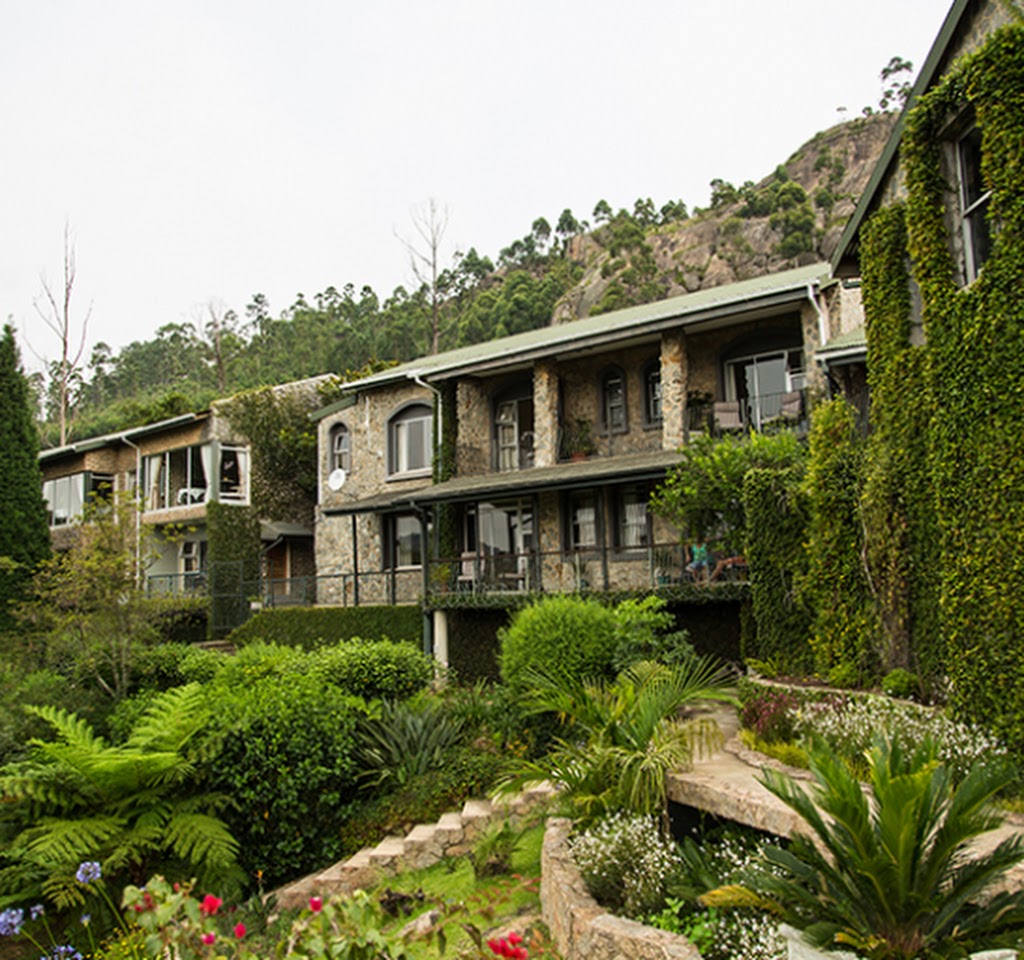
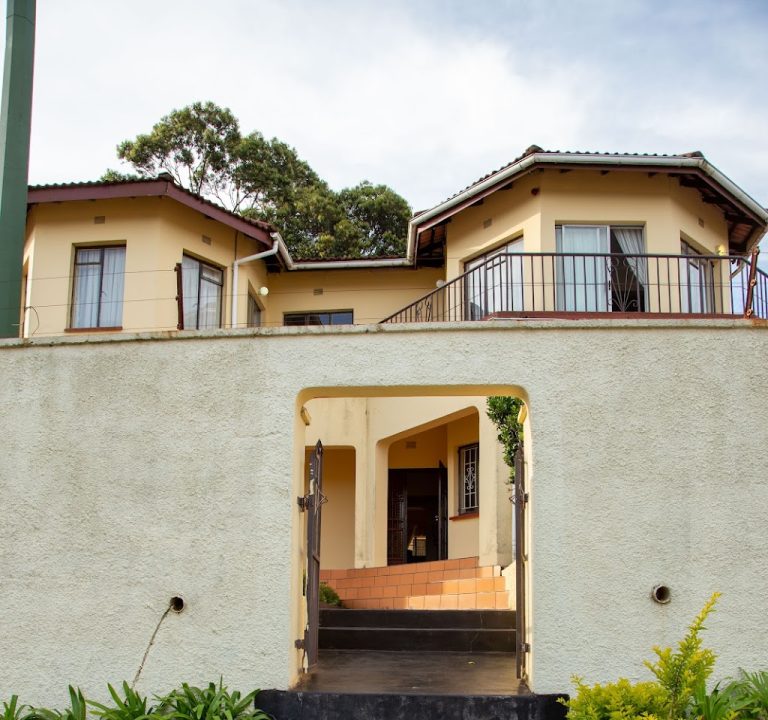
Accommodation in Mbabane ranges from stylish guest houses and boutique hotels to mid-range lodges tucked into residential suburbs. A guest house such as Ematjeni Luxury Guesthouse – Eswatini, if available in your search, exemplifies the kind of private, personable stays that characterise much of the guest accommodation here: a focus on warm hospitality, well-provisioned rooms and a sense of home away from home. When selecting a place to stay, consider the following aspects to ensure a smooth visit.
Location matters. The city centre is convenient for shops, cafés and businesses, while suburbs and hillside areas provide quieter nights and spectacular views over valleys. If you plan day trips to Ezulwini or the Big Bend region, choose a base with straightforward access to major roads and reliable local taxis or shuttle options. Check whether the property offers parking and whether it is secure if you plan to hire a car. Proximity to the bus routes or a taxi stand can also save time and stress, especially after a day of sightseeing.
Typical amenities that make a difference include reliable Wi‑Fi, an in‑room safe for valuables, adequate heating or cooling (Eswatini’s climate can vary by season), a comfortable desk or seating area, and a good-quality bed. Many guest houses in Mbabane also provide breakfast or full-board options, which can be a real convenience for early starts before day trips. If you are travelling with family, look for family rooms or interconnecting options, as well as a safe, secure environment for children.
Transport is a practical consideration. If you will rely on self‑drive, confirm that your host can advise on park-and-ride options or short excursions. If you prefer not to drive, check whether the property can arrange trusted local drivers or tours. In Mbabane, streets are generally navigable with sensible attention to signage, but the layout can be confusing for first‑time visitors, so a property with easy access directions or a helpful reception will ease your arrival and departure.
Best time to visit Mbabane and Eswatini more broadly depends on what you want from the trip. The country experiences a mild winter from May to August and a warm, rainy summer from September to April. If you enjoy outdoor activities—hiking, birdwatching and canyon viewpoints—the dry season often provides the most comfortable conditions. For cultural events and markets, it is worth checking the local event calendars, as community gatherings and craft markets can add vibrant colour to your stay.
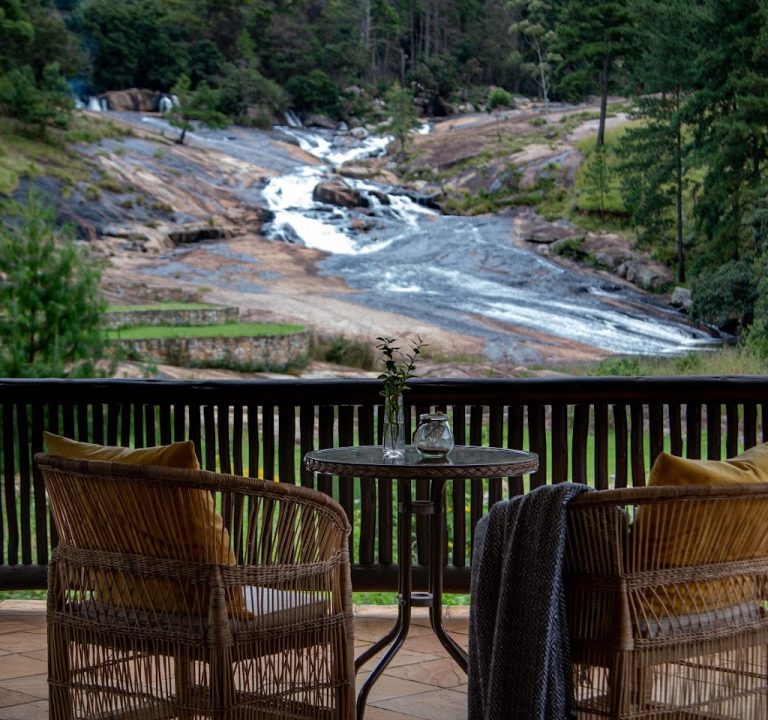
When exploring attractions, balance your days between nature and culture. Within easy reach of Mbabane you’ll find forested reserves, scenic viewpoints and historic sites that offer a glimpse into Eswatini’s heritage and landscape. City attractions tend to be low-key but rewarding: strolls through markets or parks, galleries showcasing local crafts, and small museums where guides can share insights about the country’s history and daily life. Dining options across Mbabane can range from traditional Swazi fare to modern bistro-style venues, with menu offerings designed to showcase fresh, seasonal ingredients. Look for places with a relaxed, family-friendly atmosphere and outdoor terraces where possible, especially on pleasant evenings.
Practical tips for a smooth stay:
- Book well in advance during peak travel periods and school holidays, especially if you have specific accommodation preferences or dietary needs.
- Ask about meal arrangements, including breakfast timings and any dietary accommodations, to fit your daily plans.
- Request information on security and local transport options from your host; a trusted contact can simplify late returns or night-time outings.
- Pack light layers and a water bottle. Eswatini’s climate can vary, so a versatile wardrobe helps you stay comfortable during day trips and evenings out.
- Respect local customs and dress modestly when visiting markets or religious sites, even in warm weather.
For planning inspiration, a few practical steps can help you design a balanced itinerary. Start with a central stay in Mbabane to reduce commuting time, then allocate one day for a longer excursion to Ezulwini Valley or a nearby nature reserve. Mix cultural encounters with opportunities to sample Swazi cuisine, either in the city or in rural guest houses that host traditional meals. If you enjoy guided insights, arrange a couple of short tours with reputable operators who can tailor experiences to your interests, whether that’s wildlife, nature walks, or crafts heritage.
In summary, Mbabane offers approachable accommodation with a comfortable home-away-from-home vibe, plus easy access to Eswatini’s dramatic landscapes and welcoming communities. A thoughtful choice of area, a well‑equipped room, dependable transport, and a flexible itinerary will help you make the most of a satisfying stay in this friendly capital. For itineraries, accommodation options and local trip ideas, consult the websites of individual guest houses and hotels, and you may also find helpful guidance on official tourism resources.