A Guide to Accommodation and Experiences in Cape Town, Western Cape
Cape Town offers a diverse mix of places to stay, from characterful homestays to contemporary hotels and guesthouses with sea views, set against the backdrop of Table Mountain. Planning a stay in the Mother City means weighing neighbourhood vibes, travel convenience and the type of experience you want—from mountain hikes and harbour walks to vibrant markets and world-class dining. This guide highlights where to stay, what to look for when booking, typical amenities, transport options, and practical tips to help you make the most of your visit.
When choosing an area, consider what you want to do most. The city centre and the surrounding City Bowl place you close to theatres, museums and a compact dining scene, with easy access to many attractions on foot or via ride-sharing. The Atlantic Seaboard, including the Camps Bay and Sea Point corridors, is popular for beach access and postcard sunsets, while the V&A Waterfront offers a lively mix of shops, casual eateries and harbour views. Suburban pockets such as Constantia, Hout Bay and Simon’s Town provide a calmer pace, beautiful scenery and easy access to wine routes, coastal trails and nature reserves. For a genuinely local flavour, a stay in Bo-Kaap or Woodstock can offer colourful streetscapes, markets and cafés with easy transit links to major sights.
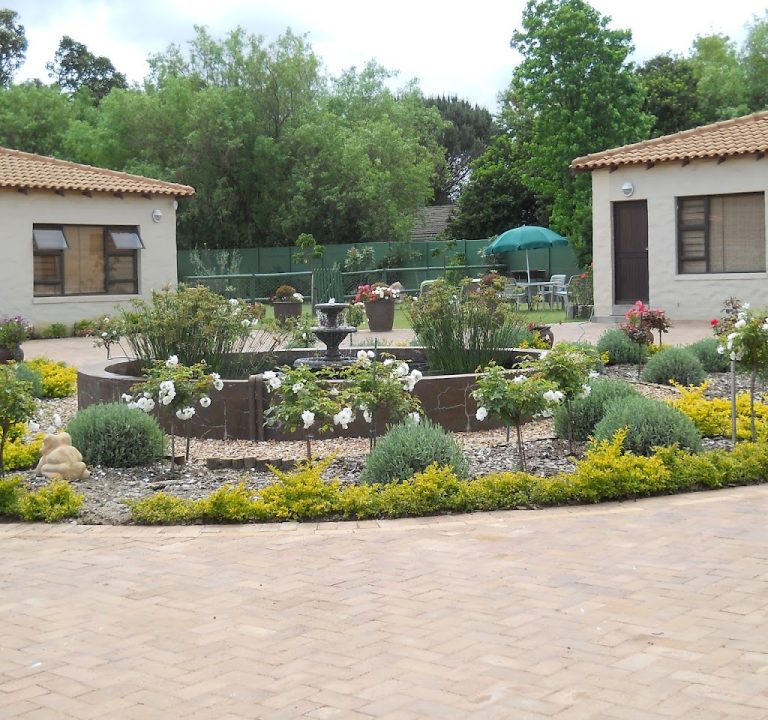
Typical accommodation types in Cape Town span boutique hotels, guesthouses, self-catering apartments and homestays. A homestay, such as Roux House in a residential neighbourhood, can offer a personalised feel, with hosts on hand to share tips about hidden gems and local dining. When booking, check for:
- Accessibility to your planned activities (mountain, beaches, city sights) and proximity to reliable transport links.
- Safety features such as secure entry, well-lit neighbourhoods, and staff availability.
- Clear cancellation policies and flexible options during peak travel periods.
- Noise levels, especially if you’re staying near busy streets or popular nightlife areas.
- Conveniences like on-site parking, Wi‑Fi, air conditioning or heating, and a self-catering kitchenette if required.
Amenities you’ll frequently encounter include en-suite bathrooms, complimentary tea and coffee, stylish communal spaces, and sometimes curated breakfast options. In many homestays and guesthouses, hosts provide insider tips on the best local eateries, scenic viewpoints and day trips. If you prefer self-catering, look for kitchens equipped with basics, a washer or access to laundry services, and clear house rules that suit your travel style.
Transport in Cape Town is varied and part of the experience. The MyCiTi bus network is expanding coverage and offers a convenient way to hop between major zones, with trams and regional routes serving older parts of the city. Ridesharing apps are widely available and can be a practical option late in the evening or for late departures from evening programmes. If you’re planning longer excursions—such as day trips to the Cape Peninsula or wine regions—consider hiring a car or arranging a private transfer with your accommodation. Some places offer parking or shuttle services as part of the stay, which can ease daily planning.
The best time to visit Cape Town depends on your priorities. Summer (December to February) brings warm, dry days ideal for beaches and outdoor activities, though it can be busy and temperature swings between day and night are common. Spring (September to November) and autumn (March to May) often deliver milder weather, fewer crowds and excellent hiking conditions. Winter (June to August) is cooler and rainier, but it can be a good period for museum visits, lower rates, and dramatic coastal scenery with steadier light for photography. Pack layers, sun protection, a light waterproof layer, and comfortable walking shoes for hills and uneven pavements.
Beyond the stay, Cape Town thrives on its experiences. Iconic landscapes such as the shadow of Table Mountain, sweeping viewpoints along the Atlantic coastline, and coastlines that invite long walks feature in most visitors’ itineraries. Cultural experiences range from museums that interpret local history to markets and old harbour quarters that offer crafts, street food and sampling opportunities. Dining in Cape Town is a mix of casual eateries, bistros and fine dining, with emphasis on seafood, farm-to-table produce and Middle Eastern-influenced fare. Look for venues that source ingredients locally and offer seasonal menus, while being mindful of booking timing during peak seasons.
Practical tips for making the most of your stay:
- Book accommodation with flexible cancellation terms and a clear description of amenities and neighbourhood context.
- Choose a base that minimises lengthy daily transfers if you plan to explore multiple areas in a single day.
- Ask hosts for a short list of local favourites—markets, coffee spots, and scenic overruns that aren’t always on guidebooks.
- Respect local safety norms: keep valuables discreet, avoid isolated routes at night, and use licensed transport after dark.
- Prepare for changeable weather—Cape Town’s microclimates can shift quickly, especially around the coast and mountains.
Whether you prefer a homely stay in a leafy suburb, a stylish apartment with sea views, or a boutique guesthouse close to cultural hubs, Cape Town’s accommodation options can suit most budgets and travel styles. Plan with a mix of beach time, mountain exploration and city culture, and you’ll uncover a city that feels both vibrant and welcoming. For a personalised stay, consider venues that emphasise a sense of place and offer guidance on where to eat, what to see, and how to move around the city efficiently.