Discover Cape Town: accommodation and experiences for a memorable stay
Cape Town is a vibrant gateway to both remarkable scenery and a wide range of hospitality styles. From boutique bed and breakfasts tucked into quiet neighbourhoods to stylish hotels along the Atlantic Seaboard, there are options to match every budget and mood. When planning a stay, think about your priorities: scenery, access to transport, proximity to favourite activities, and the pace you want from your holiday.
Choosing where to stay in Cape Town often comes down to district character. The City Bowl offers easy access to central sights, museums, markets, and dining, while the Atlantic Seaboard boasts dramatic coastal views and long sandy beaches. Camps Bay and Clifton provide boutique hotels with sun-soaked terraces, whereas Green Point and the V&A Waterfront area place you close to nightlife, shopping, and harbour excursions. For those seeking a more tranquil leafy setting, Constantia and nearby wine routes provide a slower pace with excellent guesthouses and guest-friendly lodges. If you’re planning day trips to the Cape Peninsula, consider staying closer to Hout Bay or Simon’s Town for shorter drives to Cape Point and penguin colonies.
What to look for when booking
- Room layout and privacy: ensure you know whether your breakfast is self-serve or prepared on site, and whether you’ll have a private bathroom or share with other guests.
- Amenities: reliable WiFi, secure parking, air conditioning or heating, and an on-site restaurant or proximity to eateries can heavily influence your daily plans.
- Breakfast and hospitality: many guesthouses in Cape Town pride themselves on a generous, cooked breakfast or a light continental option, with hosts who can offer personalised tips for local activities.
- Transport access: check proximity to MyCiTi bus routes, train lines, or taxi services, especially if you’re not driving.
- Cancellation policies and value: flexible policies are particularly valuable when plans may shift with weather or activities on offer.
Typical amenities you might encounter
- En-suite or dedicated bathrooms with good water pressure and fresh towels.
- Tea and coffee facilities, bottled water, and sometimes a small kitchenette in the room for longer stays.
- Outdoor spaces such as verandas, balconies, or garden seating to enjoy sea breezes and mountain views.
- Secure parking or easy street parking, with some properties offering shuttle arrangements for popular day trips.
- In-house or partner restaurant options, seasonal menus, and recommendations for local vineyards or markets.
Planning a balanced itinerary
Cape Town’s attractions span natural wonders, cultural experiences, and culinary discoveries. A tried-and-true approach is to couple a day exploring iconic scenery with a day enjoying food markets, neighbourhood walks, and relaxed waterfront strolls. A typical plan might include a cable car or hike up to a famed viewpoint, a morning visit to a botanical or historical site, and an afternoon in a hive of cafés and galleries. For nature lovers, a drive to the Cape Peninsula’s coastal viewpoints, penguin colonies, and the iconic Cape Point reserve makes for memorable half or full days. Combine a harbour or boat trip with a sunset at the Camps Bay or Clifton beaches for a classic Cape Town moment.
Where to base yourself for different experiences
- City centre and Table Mountain access: close to museums, theatre, and central markets, with easy access to hop-on hop-off tours or guided walks.
- Waterfront and V&A area: convenient for harbour cruises, boat excursions, and a wide choice of restaurants and bars.
- Atlantic Seaboard (Sea Point, Bantry Bay, Camps Bay): long beaches, scenic coastal walks, and upscale dining in parallel with night markets or music events.
- Constantia Valley: wine estates and countryside charm, with less bustle but still near city amenities.
- Constantia and surrounds for families or longer getaways: larger properties and a tranquil pace, with easy access to hiking trails and scenic drives.
Practical tips for visitors
- Best time to visit: spring and autumn bring mild weather and fewer crowds, while late December to early January offers peak energy. Winter can be a quieter time with milder rainfall, ideal for those seeking value in a cosy guesthouse.
- Getting around: renting a car offers maximum flexibility, but Cape Town also has reliable public transport and ride-hailing options. If you plan on venturing to the peninsula, a car is often the most convenient choice.
- Safety and staying aware: keep to well-lit areas at night, especially if you’re exploring markets or coastal paths after dark. Your host can advise on safe routes and popular neighbourhoods.
- Local dining and markets: venture to markets and streets where fresh produce, seafood, and street-food style bites are available. Pair meals with wines from nearby regions for a complete Cape Town experience.
- Sustainable choices: many properties embrace water-saving measures and energy efficiency, so look for places that emphasise responsible tourism.
A sample stay: New Hunters Moon B&B
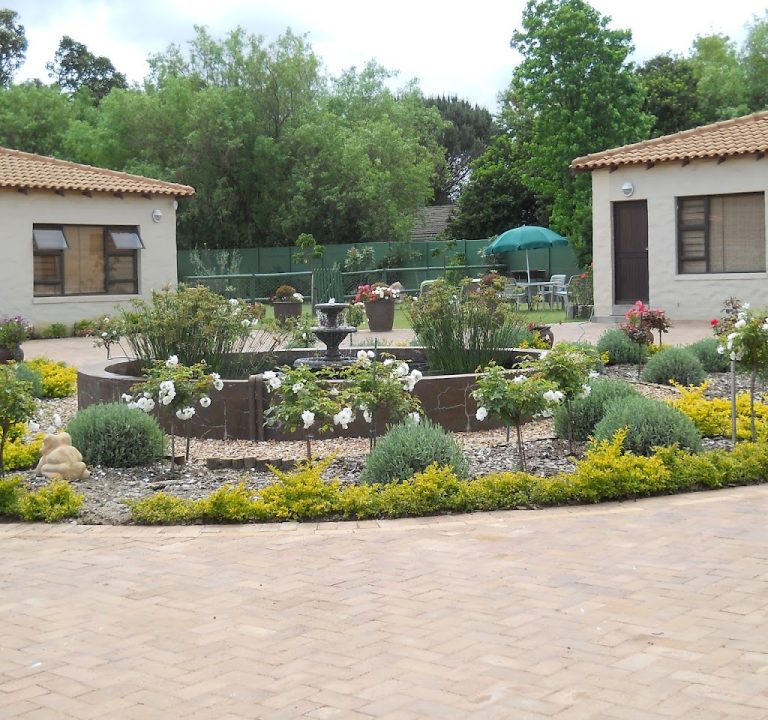
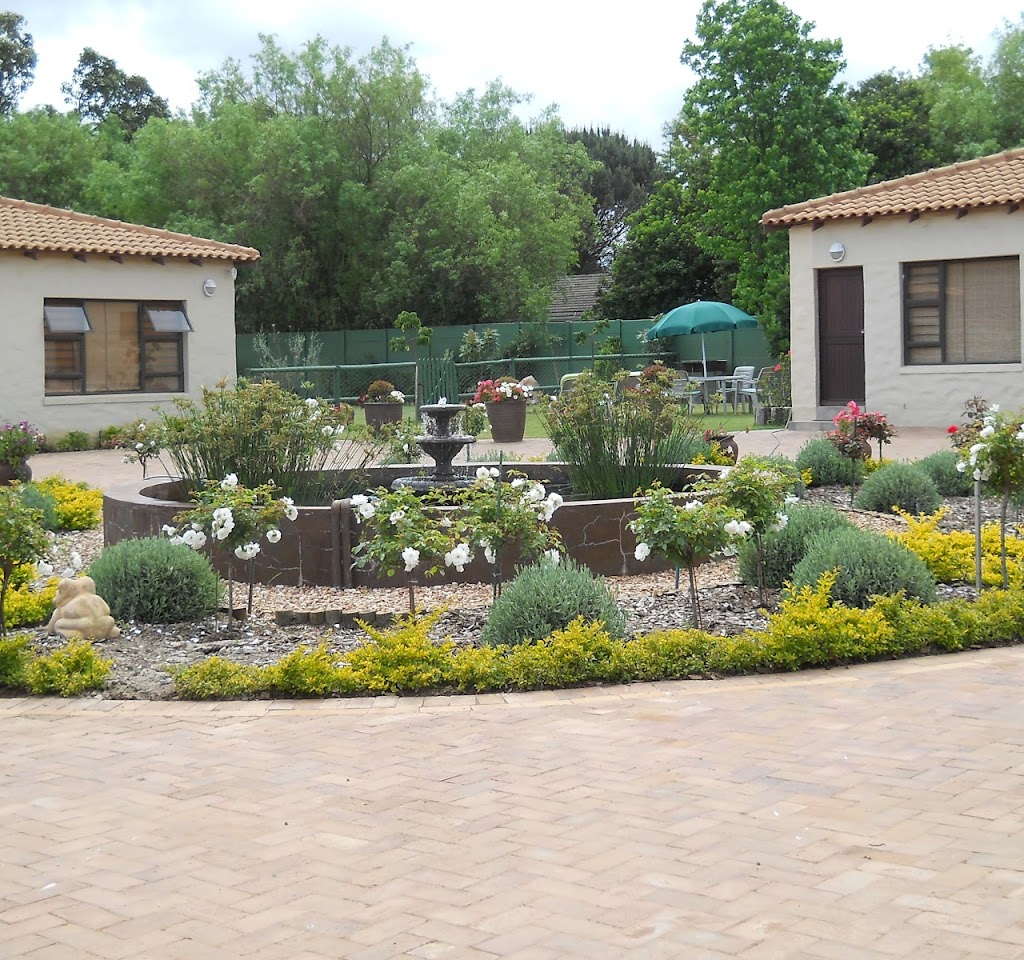
For guests seeking a comfortable, homely base with easy access to central sights and the surrounding coast, a well-run bed and breakfast can offer genuine hospitality and practical guidance. New Hunters Moon B&B provides a welcoming option with thoughtful touches and breakfast uplift. Visitors can explore the mix of city life and natural splendour while enjoying tips on local trails, markets, and nearby eateries. More information is available on the property’s website: http://www.newhuntersmoon.co.za/
Whether you are drawn to boutique stays with sea views, an elegant city centre hotel, or a tranquil countryside-style guesthouse, Cape Town offers a spectrum of accommodation to suit every mood and itinerary. Plan with flexibility, prioritise accessibility to the sights you want, and you’ll be well placed to enjoy the remarkable range of attractions, restaurants, and experiences that make this region unique.