Accommodating Cape Town: Where to stay, what to expect, and how to make the most of your visit
Cape Town offers a rich mix of neighbourhoods, landscapes and experiences, making it essential to choose a base that aligns with your plans. Whether you crave iconic sea views, easy access to the city’s vibrant dining scene, or a quieter retreat near the winelands, you’ll find accommodation that suits different budgets and travel styles. When planning a stay, think about how you intend to move around, which attractions you want to prioritise, and the kind of ambience you prefer—from stylish boutique hotels to welcoming self‑catering apartments and laid‑back guesthouses.
One of the first decisions is the area. The Waterfront and V&A precinct appeal to visitors who want walkable access to attractions, harbourfront walks, museums and restaurants, while the central business district offers easy transit links and a bustling cosmopolitan vibe. For iconic mountain scenery, areas around Table Mountain and the Cable Car are ideal, with lodges and guesthouses often providing panoramic views. Bohemian and family-friendly zones such as Green Point, Sea Point, and the Atlantic Seaboard blend seaside promenades with convenient dining and public transport access. For a more relaxed, wine‑country flavour, Constantia, Hout Bay, and the southern suburbs provide leafy streets, slower rhythms, and proximity to renowned wine estates and nature trails. If you’re seeking budget options or longer stays, central Cape Town’s self‑catering apartments and guesthouses in quieter lanes can offer good value without sacrificing accessibility.
When booking, look for practical details that can save time and stress. Proximity to MyCiTi bus stops or uphill routes up to Cable Car or Table Mountain can matter more than it appears on a map. Check transfer options from the airport; some properties offer arrangeable shuttles or can suggest reliable taxi services. For convenience, many self‑catering properties include parking or secure access, which is particularly helpful in busy areas. Confirm the check‑in process, especially if you’re arriving late, and ask about flexible arrival times during shoulder seasons. If you’re travelling with family or several friends, a serviced apartment or a larger suite often delivers greater comfort and value than several smaller rooms.
Typical amenities vary by category, but there are common comforts you can expect. Self‑catering apartments frequently come with a fully equipped kitchen or kitchenette, a living area, and occasional extras such as a balcony, free Wi‑Fi, and laundry facilities. Boutique hotels and guesthouses often complement rooms with en suite bathrooms, daily housekeeping, and sometimes on‑site restaurants or bar areas. In some properties, you might find access to swimming pools, fitness rooms, or shared lounges—handy for socialising after day trips. When planning activities, consider whether you want guidance or flexibility: some places offer curated itineraries or local tips, while others provide everything you need to explore independently.
Practical planning tips for a comfortable stay:
- Book with a clear cancellation policy and consider travel insurance for changes in plans or weather-related delays.
- Check the property’s access to security features and neighbourhood safety notes, particularly if you plan to walk late in the evening.
- Ask about kitchen equipment if you intend to cook: a microwave, fridge, stove, and basic utensils can make a big difference for self‑catering stays.
- Confirm laundry facilities or nearby laundromats if you’re staying for an extended period.
- Evaluate transport options: in many parts of Cape Town, rideshare or taxi services are convenient, while some areas are best explored on foot or by public transport.
In terms of timing, the best time to visit Cape Town depends on what you want from your trip. The peak season runs from late spring to early autumn, when dry, sunny days are common and outdoor activities are at their best. Spring and autumn offer milder temperatures and lighter crowds, ideal for exploring Table Mountain, the Kirstenbosch Gardens, or coastal towns without the peak season bustle. Winter brings cooler, wet spells but can still be pleasant with shorter queues for popular sights and a chance to enjoy excellent-value stays in many accommodation types.
When it comes to attractions and dining, plan a mix of outdoor adventures, cultural experiences, and delicious meals. You might spend mornings exploring the iconic viewpoints and hiking trails, afternoons enjoying harbour or city walks, and evenings sampling cuisine at restaurants that showcase Cape flavours and global influences. Look for experiences that align with your interests—wildlife watching on the Cape Peninsula, wine tastings in nearby estates, or art and heritage tours in the city. For practical tips, consult official tourism resources or guesthouse hosts who can share current recommendations and insider routes.
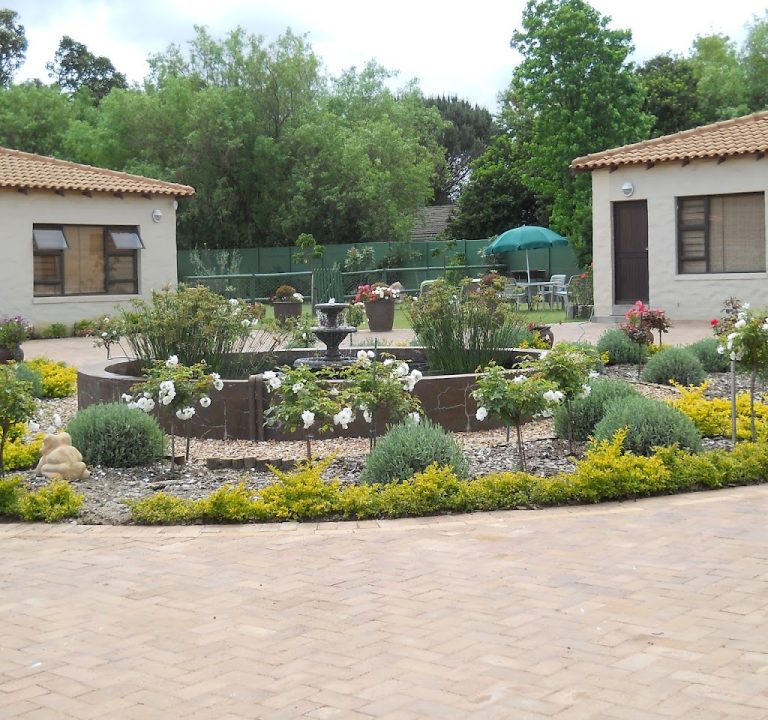
If you’re considering a stay with a self‑catering character, places such as Marna’s Accommodation (a self‑catering option in the region) illustrate how flexible stays can be when you want independence alongside the comforts of a well‑appointed space. Regardless of the type of lodging you choose, Cape Town’s landscape and hospitality welcome you with a sense of discovery—thoughtful planning, a focus on comfort, and a readiness to adapt to weather and transport realities will help you make the most of your trip.
For more ideas and practical planning, you can explore official tourism information and trusted travel resources online. Cape Town is a destination where well‑chosen accommodation and thoughtful itineraries turn a good stay into a memorable one.