Johannesburg: Where to stay and what to do
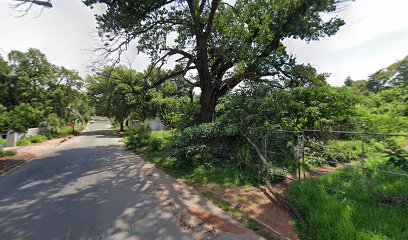
Johannesburg, or Jo’burg as many locals call it, is a vibrant gateway to South Africa’s rich culture, history and contemporary energy. When planning a stay in Gauteng’s largest city, consider a mix of neighbourhoods to balance convenience, atmosphere and access to transport links. From leafy, tree‑lined streets in Rosebank to the business hub of Sandton and the creative buzz of Braamfontein, there are lodging options to suit a range of budgets and trip aims. An example to explore is a Rosebank B&B, which can offer warm hospitality in a well‑located setting close to galleries, markets and easy transit connections.
Accommodation in Johannesburg ranges from stylish B&Bs and guesthouses to mid‑range hotels and modern boutique properties. A good approach is to pick a base in a well‑serviced area with straightforward transport links, then plan day trips or city strolls from there. Many guesthouses emphasise personalised service, ample breakfast options and convenient access to local dining scenes, while hotels often provide on‑site restaurants, secure parking and reception desks that can assist with tours and transfers.
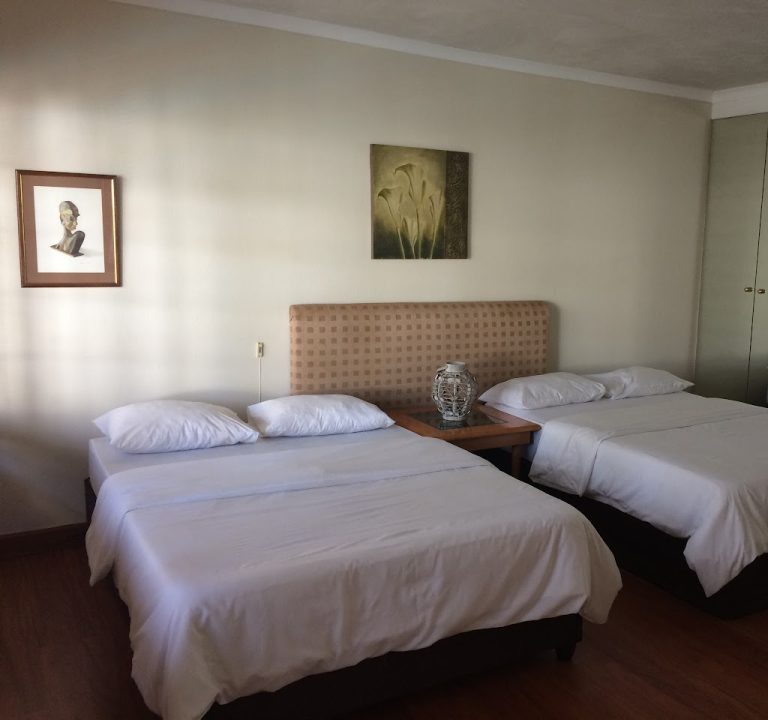
When selecting a place to stay, think about the following features. Safety and location top the list for many travellers: proximity to Gautrain stations or major bus routes can save time, while quiet streets and reliable security services contribute to peace of mind. Look for guesthouses or B&Bs that advertise flexible check‑in arrangements and clear policies on bags and parking. Furnishings should be comfortable, with modern bathrooms, reliable Wi‑Fi and practical amenities such as good lighting, power points near work areas and ample storage. If you’re staying for a longer visit, a kitchenette or access to a kitchen can be handy, while a lounge or outdoor seating area can make evenings more relaxed.
Typical amenities to expect include en‑suite bathrooms, daily housekeeping, safe‑parking options and, increasingly, eco‑friendly practices such as energy‑efficient lighting and minimised plastic use. Some properties offer personalised city guides, curated walks, or partnerships with local operators for cultural experiences, food tours or nature excursions. If accessibility is important, verify room layouts, elevator access and step‑free entry before booking. For those arriving with family or groups, family rooms, adjoining rooms or suites with sofa beds can simplify planning.
Transport in Johannesburg is best planned with a view to efficiency. The city’s rail and rail‑adjacent networks, including the Gautrain, connect key hubs such as Rosebank, Sandton and the city centre. While Uber and other ride‑hailing services are widely used, it’s sensible to confirm a property’s proximity to well‑lit, reputable pick‑up points and, if possible, a reliable 24‑hour concierge service. Consider properties that offer shuttle services to major shopping centres, airports or popular tour destinations. If you’re driving, check on‑site or secure off‑street parking policies, as some areas have limited street parking or specific access times.
Best time to visit Johannesburg depends on what you’re seeking. The city experiences a warm sub‑tropical climate with summer rainfall. The months from late spring through autumn (roughly September to May) are lively, with outdoor markets, beer gardens and cultural events often spilling into evenings. Winter (May to August) tends to be drier and cooler, which some travellers enjoy for city sightseeing and comfortable museum visits. If your plans include a coastal or regional day trip, bear in mind that some attractions operate seasonally or require advance bookings during peak periods.
Dining and experiences around the city sit at the heart of any stay. Johannesburg’s restaurant scene blends modern South African cookery with international influences, offering everything from stylish urban eateries to casual diners. For those who enjoy a tasting crawl, look for neighbourhoods known for distinct culinary vibes and friendly service, and be prepared for vibrant atmospheres rather than formalities. In terms of activities, visitors commonly enjoy guided walking tours about the city’s history, architecture and street art, as well as visits to markets, museums and galleries. For a focused experience, consider pairing a day of sightseeing with an evening meal that reflects the city’s diverse culinary character.
Practical tips to help you plan smoothly:
- Book in advance for popular areas and peak travel times, but look for properties with flexible cancellation policies in case plans shift.
- Ask about security measures, after‑hours access, and local neighbourhood safety tips for the areas you’ll visit.
- Check how properties handle power outages and hot‑water availability, which can vary in some parts of the city.
- Request information on nearby transport stops, ride‑hailing pick‑ups and good walking routes to key sights.
- Pack a universal adaptor, a compact umbrella and comfortable walking shoes for city exploration.
- Plan a day that mixes indoor museum or gallery time with outdoor strolls to keep your itinerary balanced.
Whether you choose a refined B&B in a fashionable district, a contemporary hotel near a major transit hub, or a cosy guesthouse tucked into a leafy inner suburb, Johannesburg rewards travellers with easy access to urban culture, historical sites and modern dining. For a well‑rounded stay, choose a base that aligns with your mobility and interests, then map a practical mix of neighbourhood walks, museum stops and bite‑sized meals. And as you plan, keep a flexible mindset that lets you discover unexpected eateries, markets and viewpoints that define the Jo’burg experience.
For further inspiration and practical booking ideas, you can browse trusted travel guides or visit official city tourism sites. When ready to plan, links to selected accommodations or local experiences can help you refine your choices and build an itinerary tailored to your preferences.