Planning a Stay in Johannesburg: Where to Base Yourself and What to Do
Johannesburg, the vibrant gateway to Gauteng, offers a dynamic mix of neighbourhoods, each with its own character and rhythm. When planning a trip, think about what you want to experience most—safaris and markets nearby, business and dining precincts, or a cultural immersion in historic townships—and choose accommodation that puts you within convenient reach. A well-located guesthouse or boutique hotel can feel like a home base from which to explore the city and its surroundings.
For a comfortable stay, consider areas such as Rosebank, Sandton, Melville, Braamfontein, and Maboneng. Rosebank offers leafy streets, shopping centres, and easy access to the Gautrain links. Sandton is a business and boutique-hotel hub with upscale dining and galleries. Melville and Braamfontein provide a youthful, artsy atmosphere with a lively café culture, while Maboneng is a creative district with urban cafés, markets, and street scenes. If you are planning day trips to Soweto or the apartheid museums, look for a guesthouse or hotel with easy access to major arterials and reliable transport links.
When booking, look for certain practical amenities that make a stay comfortable and convenient. A good guesthouse should offer secure parking or clear guidance on street parking, reliable high‑speed Wi‑Fi, a generous continental or full breakfast, and responsive on-site staff. Consider whether you value a pool, a quiet garden, or a sunlit terrace for early morning planning. Rooms with en‑suite bathrooms, air conditioning or fans for Johannesburg’s warmer days, and standby power or generator access can be especially helpful in busy periods or load-shedding scenarios.
Transport arrangements are key in Johannesburg. Check if the property is within easy reach of a Gautrain station or offers a reliable shuttle service. For most visitors, Uber or other ridesharing apps provide flexible transport between neighbourhoods, while some guesthouses arrange airport transfers or guided city orientation walks. If you plan to venture into Soweto or the southern parts of the city, ask about safe and straightforward routes and the best times to travel to avoid heavy traffic and security concerns.
The best time to visit Johannesburg is during the spring (September to November) and autumn (March to May), when the weather is mild and the city feels most welcoming. Summers can bring warm afternoons and thunder showers, while winters are generally dry and cool. Pack layers, comfortable walking shoes, and a reliable sun protection routine, especially if planning outdoor markets or city walks.
Accommodations often pair well with the city’s diverse dining scene. In addition to hotel breakfasts, many guesthouses provide insights into local eateries—from casual cafés with excellent coffee to bistro menus featuring modern South African cooking. When you book, ask about breakfast formats, late‑check‑in options, and guesthouse policies on dining nearby. If you are exploring the area on foot, look for properties close to safe pedestrian routes and well‑lit streets, particularly in the evenings.
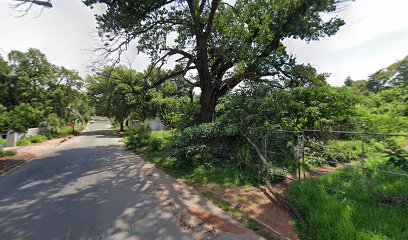
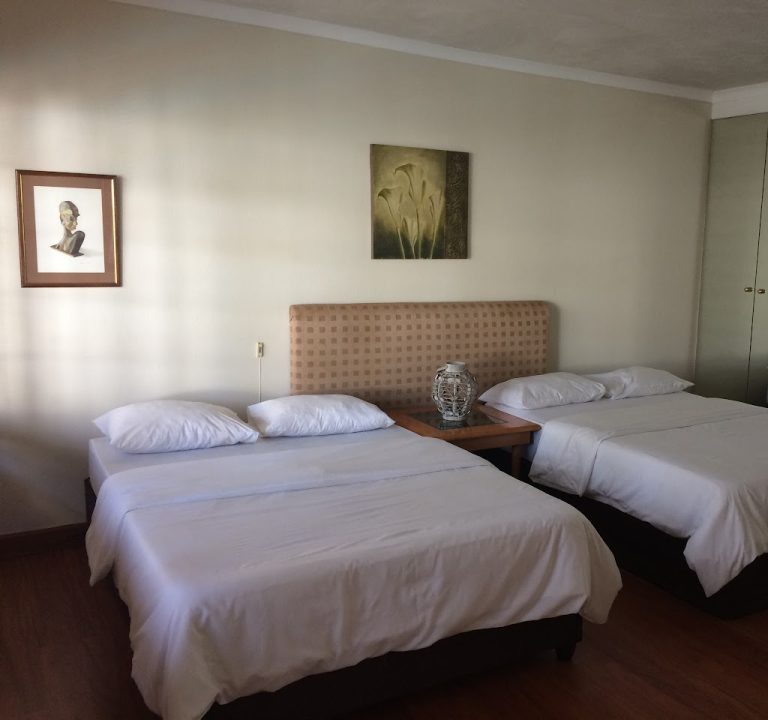
For a concrete example of lodging you might consider, Lion House Guest Lodge is a guest house option in the city. It offers a homey atmosphere and practical amenities designed for travellers looking to stay comfortably while exploring Gauteng. More information can be found on their website: Lion House Guest Lodge.
Top attractions and experiences to plan into a Johannesburg itinerary, in general terms, include cultural and historical sites, vibrant markets, and diverse urban precincts. Visitors often enjoy museums and guided tours that offer context on the city’s complex history, as well as contemporary art districts, markets, and street‑level dining. For a balanced visit, consider pairing a morning in a cultural precinct with an afternoon of shopping or a nature‑belt excursion in the surrounding Gauteng countryside. If you enjoy city panoramas, do look out for viewpoints or rooftop bars that showcase the metropolitan skyline at sunset.
To optimise your stay, create a simple plan that groups activities by area and time of day. For example, you might allocate a morning for a museum or cultural walk in one district, followed by lunch and a stroll through markets or boutique shops, and reserve an evening for a recommended restaurant or a show. Always have a rough backup plan in case of rain, and keep a list of nearby cafés or coffee shops for short breaks between tours or meetings.
Finally, practical tips: carry a small amount of local currency for markets, keep digital copies of your reservations, and download maps or travel apps to help navigate the city. Be mindful of safety advisories and stick to well‑lit routes after dark. With thoughtful planning and a well‑located base, Johannesburg reveals a rich, multi‑layered cityscape that blends history, culture, and modern South African hospitality in a distinctly urban setting.