Johannesburg: Where to stay and what to explore in Gauteng
Johannesburg, often known as Jo’burg or Jozi, is a dynamic gateway to Gauteng’s urban culture, history and contemporary life. When planning a stay, it helps to balance convenience with a flavour of neighbourhood character. The city offers a range of accommodation in several well‑established districts, from modern boutique lodges to comfortable guesthouses and larger hotels. A well‑rounded stay typically combines restful accommodation with easy access to museums, markets, eateries and lively streetscapes.
Choosing a neighbourhood is a good starting point. Sandton is a major business hub with upscale apartments, shopping and gallery spaces, making it convenient for those who want a more polished, transactional base. Rosebank offers a blend of shopping, dining and transport links, and its markets and street life give a sense of local culture. Maboneng Precinct is a creative heartland with lofts, eateries and street art, ideal for guests who want a more immersive, urban experience. For a more residential, leafy feel with good access to city centres, Fordsburg or Melville can provide quieter stays with a flavour of local life. In addition, northern suburbs often host established lodge or guesthouse options suitable for longer visits or family trips. When selecting accommodation, consider proximity to a convenient Gautrain link or reliable road routes, depending on your planned activities.
Typical amenities to look for include reliable Wi‑Fi, comfortable bedding, on‑site parking, and security features such as controlled access or 24‑hour reception. Many Johannesburg properties offer breakfast options, which can be a practical start to busy days of sightseeing. If you plan to drive, check whether on-site or secure off‑street parking is available. For those using public transport, proximity to a metro, bus route or rail links can greatly simplify travel around the city and to surrounding attractions.
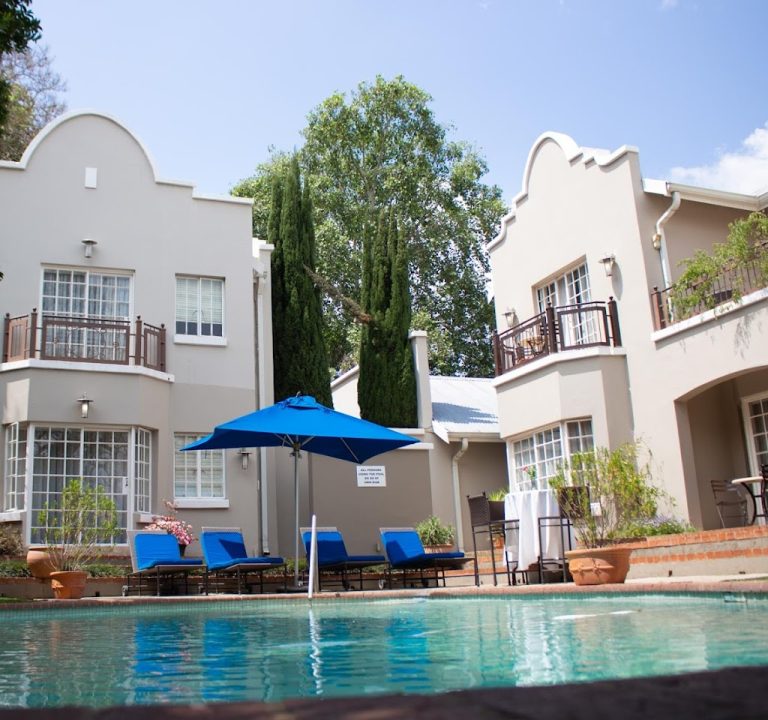
A practical example of lodging in the city is Lilogo Lodge, a lodge‑style retreat that reflects the warmth of Gauteng hospitality. Their website provides further detail on room configurations and practical offerings, and you can visit their site at Lilogo Lodge.
Transport in Johannesburg is a key consideration. While central districts are well connected by taxis, ride‑hailing services and public transport, journeys between some suburbs can be lengthy. Allow adequate time for transfers, particularly when heading to major attractions or dining districts during peak hours. If you plan to explore beyond the city centre, consider a car hire for flexibility, while still weighing the convenience of hotel or lodge locations near transport hubs.
Best time to visit Johannesburg tends to be during the South African spring (September to November) or autumn (March to May), when temperatures are comfortable and rainfall is generally light. Winters are mild by many standards, though it can be chilly at night, and summers can bring afternoon thunderstorms. If you are hoping to combine heritage visits with outdoor markets and daytime activities, the shoulder seasons often offer a pleasant balance of weather and lower crowds. Pack versatile clothing, a light jacket for cooler evenings and comfortable footwear for urban exploration and walking tours.
When planning an itinerary, a mix of indoor and outdoor activities can help you adapt to changing conditions. You might allocate mornings for museum or gallery visits that illuminate South Africa’s history and art, followed by afternoons exploring markets, neighbourhood eateries, or city viewpoints. For evenings, try a stroll through vibrant precincts, where you can sample a spectrum of dining styles—from casual bistros to more refined eateries—without committing to a single cuisine for the entire stay.
Typical attractions in Johannesburg span history, culture and nature within an approachable city layout. You may encounter world‑class museums and memorials, notable street art, and parks that offer a restorative break from city life. Family‑friendly activities, guided tours, and cultural experiences provide an engaging way to learn about the local narrative while supporting small businesses and communities. In terms of experiences, expect a broad spectrum of markets, casual cafés, and independent eateries that reflect the city’s diverse heritage and contemporary energy. Always check local listings for openings, access requirements, and any need for advance booking during peak seasons.
To help plan, here are some practical tips:
- Book accommodation with predictable access to your planned sites or with easy transport options to minimise long transits.
- Consider a stay that offers secure parking if you will hire a car, or near rail links for convenient city travel.
- Verify whether breakfast or kitchen facilities are available to save time and money during morning preparations.
- Look for options with flexible check‑in times if you may arrive late or depart early due to flights or tours.
- Ask about neighbourhood guidance: staff can often recommend safe walk routes, local eateries and markets to visit after dark.
Johannesburg is a city of contrasts, where modern malls sit alongside historic streets and creative districts. With thoughtful selection of accommodation and a plan that balances cultural highlights with comfortable downtime, you can enjoy a well‑rounded stay that captures the essence of Jozi without the stress of a hurried schedule.