Johannesburg stay: accommodation options, attractions, and practical planning
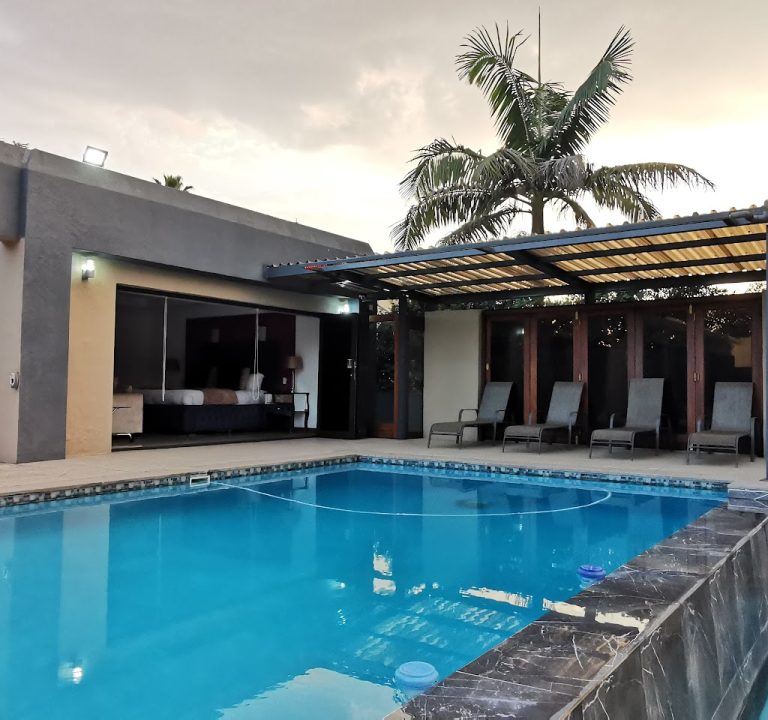
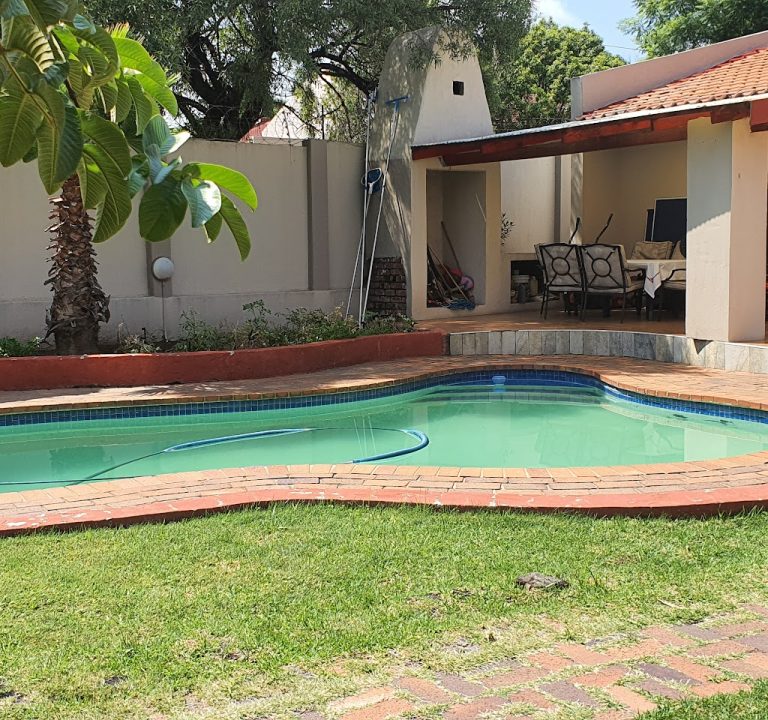
Johannesburg, often simply called Jo’burg or Jozi, is a city of contrasts and a hub of culture, history, and modern energy. When planning a stay in Gauteng, consider how much time you have, what you want to explore, and the pace you prefer. A well-chosen base can make long days of exploring the city districts, museums, markets, and restaurants feel effortless. For many visitors, a stay at a guest house such as Rose Way Cottage offers a welcoming home-from-home experience that pairs local flavour with comfortable, practical amenities.
Areas to consider for accommodation vary in character and convenience. The central business district is undergoing redevelopment and offers easy access to museums, historic sites, theatre, and a lively street-food scene. Sandton and Rosebank are popular for those who want a more polished, business-friendly environment with shopping centres and eateries within easy reach. Maboneng and Braamfontein are ideal for travellers seeking creative energy, boutique stays, and a walkable neighbourhood vibe with cafés, galleries, and markets. For a quieter retreat still within reach of the city’s highlights, northern suburbs and leafy residential streets can provide calm mornings and easier parking or private transport access.
When booking a guest house or boutique hotel, look for a few practical features that make a stay smoother. Ease of access and clear directions are especially important in a city where traffic and road works can affect travel times. Check whether the property offers parking or has arrangements with nearby lots, and whether there are self-catering options or a small kitchenette if you prefer to prepare meals. A good property will provide clean, comfortable bedding, reliable hot water, and a responsive host or manager who can offer local tips and assistance with bookings and transport arrangements.
Typical amenities to expect include comfortable rooms with private or en-suite bathrooms, tea and coffee facilities, and a secure entry system. Some guest houses provide communal spaces where guests can mingle, along with a small library or information board with recommendations for local eateries, markets, and day trips. If you value a sense of place, you may prefer establishments that emphasise authentic décor, local artwork, and friendly, informal service that reflects Johannesburg’s hospitality culture.
Transport in Johannesburg is a key consideration. The city is large, and distances between attractions can be significant. Public transport options include metro buses, a dedicated Gautrain rail network to connect to the airport and other major hubs, and a variety of ride-hailing and taxi services. If you plan day trips outside the city or want to explore Johannesburg’s surrounds, it can be useful to negotiate a short-term airport transfer or arrange a driver for a day to maximise your time. For some visitors, a central location with easy access to main routes and reliable transport is worth prioritising over ultra-cheap rates.
The best time to visit Johannesburg depends on your interests. The city’s climate is characterised by warm summers and mild winters. For outdoor markets, parks, and garden spaces, the drier months can be pleasant, with comfortable daytime temperatures. If you enjoy cultural events, city festivals, and bustling nightlife, you may prefer spring or autumn when the city’s energy is high but the weather remains manageable for outdoor activities. Pack versatile clothing, a light rain jacket for late-in-the-day showers, and comfortable walking shoes for exploring the city on foot or by taxi.
Top activities and experiences in and around Johannesburg offer a broad sense of the region. You can spend time exploring major museums that cover regional history, art, and social movements, and you may also wish to stroll through markets and arts districts to sample street food and handmade crafts. Parks and scenic viewpoints provide a counterpoint to urban life, offering spaces to relax between visits to galleries, cafés, and historical sites. For food and dining, Johannesburg’s restaurant scene ranges from modern casual venues to refined eateries that showcase local produce and international influences. When planning meals, look for places that highlight seasonal ingredients, offer straightforward menus, and provide options for different dietary preferences.
For accommodation in a property such as Rose Way Cottage, expect a warm, personalised approach that emphasises guest comfort and a practical, relaxed schedule. Hosts can be valuable sources of local knowledge, suggesting neighbourhood highlights, short walks, and day trips within easy reach. Before arrival, confirm check-in arrangements, parking details, and any house rules. Upon departure, consider leaving feedback that helps future travellers make informed choices about their stay and helps hosts refine their guest experience.
Practical planning tips:
- Choose a base with easy access to your planned activities and reliable transport options.
- Confirm parking or pickup arrangements in advance if you will be driving or using rideshares.
- Read guest reviews for notes on noise, cleanliness, and host responsiveness.
- Pack adaptable clothing for Johannesburg’s climate and plan for potential late-day showers.
- Balance city centre exploration with quieter neighbourhoods to unwind after busy days.
To explore further or find accommodation options and practical tips, you can visit official tourism resources and travel guides that cover Gauteng and Johannesburg. For planning ideas, consider browsing reputable travel sites and local hospitality pages that provide current information on neighbourhood highlights, dining trends, and transport updates.