Accommodation and experiences in Johannesburg, Gauteng: a traveller’s guide
Johannesburg, often described as a city of contrasts, offers a broad range of places to stay that suit different styles and budgets. From cosy guest houses and boutique B&Bs to modern hotels and lodges, the city centres around easy access to attractions, dining and neighbourhoods with distinctive character. A well‑planned stay can balance comfort with discovery, letting you experience both the urban pulse and nearby natural and cultural highlights.
When considering where to base yourself, think about what you plan to do each day. The northern suburbs such as Sandton and Fourways are convenient for business districts and shopping, while central districts like Rosebank, Braamfontein, Braamfontein’s Maboneng Precinct and Newtown offer a lively arts and dining scene with shorter commutes to museums and galleries. If you prefer a calmer atmosphere yet want proximity to sights, a well‑chosen guest house or boutique hotel in a leafy suburb can provide easy access to both urban and parkland activities.
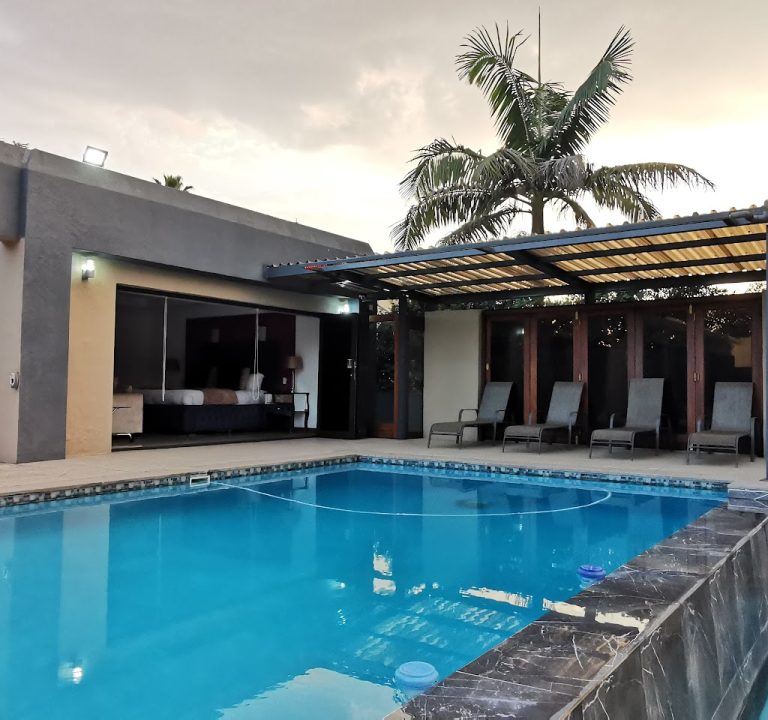
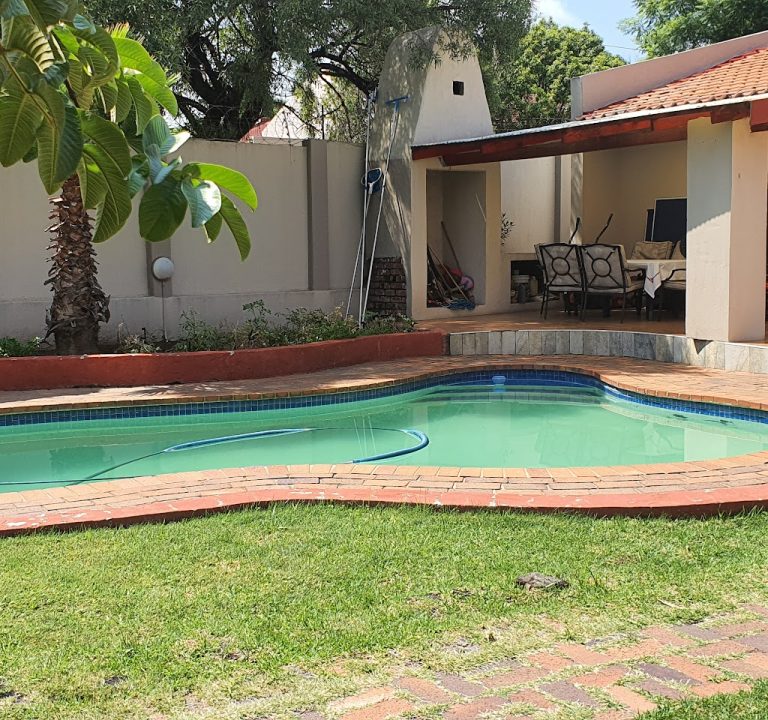
In terms of accommodation, guests often look for a few common features. Personalised service, secure parking or easy access to reliable transport, generous breakfast options, and rooms that feel like a home away from home are popular. For a stay at a guest house such as Queen Bed & Breakfast, you can expect a more intimate atmosphere than a large hotel, with hosts who can share practical tips on local neighbourhoods, markets and routes. It’s worth confirming what is included in your rate—whether breakfast is continental or full, and if self‑catering facilities or kitchen access are available for flexible dining.
Typical amenities to look for include private en‑suite bathrooms, dependable Wi‑Fi, a comfortable workspace if needed, secure parking or access to reputable taxis and rideshare services, and 24‑hour reception or staff availability. Some properties offer boutique touches such as curated decor, recommendations for local experiences, and assistance with restaurant bookings or day trips. Accessibility considerations, such as lifts and step‑free access, can be important for guests with mobility needs. If you’re travelling with children or pets, check the policy and any possible surcharges in advance.
Transport is a practical factor in planning. Johannesburg is served by a broad network of roads and a convenient rail link, with the Gautrain offering fast connections to Pretoria and O.R. Tambo International Airport from certain hubs. In the city, ridesharing apps and reputable taxi services are common, and several districts are walkable or cabled with short hops between sights, eateries and markets. When booking, consider how easy it is to reach your chosen areas without relying solely on taxis late at night, and whether the property arranges airport transfers or provides guidance on public transport options.
The best time to visit Johannesburg is typically during the drier, cooler winter months from May to August, when daytime temperatures are comfortable and rainfall is rare. This period is popular for outdoor activities such as city tours, sightseeing in parks, and walking around vibrant neighbourhoods. The city also hosts a variety of markets, cultural festivals and street events during the year, which can be especially enjoyable if you enjoy impromptu discoveries and street food. Pack layers for the variable mornings and evenings, and always have a shade cover or umbrella for sudden showers during the wetter months.
When planning activities, variety is the city’s strength. You might pace a visit with a mix of history and culture, such as national museums and memorials, followed by a stroll through urban art districts, markets and coffee spots. For food lovers, Johannesburg presents a broad spectrum of dining options—from traditional Afrikaans and modern fusion to international cuisines—often clustered around popular districts with a lively street‑level scene. It’s wise to leave some flexibility for discovering new favourites or returning to a place you enjoyed, as many venues update menus seasonally and seasonally rotating pop‑ups can appear in dynamic neighbourhoods.
To make the most of your stay, plan a balanced itinerary. Block out a couple of longer days for neighbourhood exploration—think one day in a central district with galleries, cafés and micro‑breweries, and another day for parks, outdoor spaces and a short day trip outside the city if you wish. Practical tips include confirming breakfast timings and any dietary arrangements, requesting directions or maps from your host, and asking for up‑to‑date travel advice on safety and transport routes. It’s also helpful to have a backup plan for indoor activities in case of unexpected weather or schedule changes.
- Choose a base in a neighbourhood that offers easy access to your planned activities and reliable transport options.
- Check inclusions such as breakfast, parking, and Wi‑Fi, and confirm policies on early check‑in or late check‑out if you have tight travel connections.
- Assess room layouts and amenities to ensure comfort for your stay, such as en‑suite facilities and workspace if required.
- Ask about local dining recommendations, guided tours, and safe routes between sights, especially for evening plans.
- Plan for mixed activities: cultural attractions, outdoor spaces, markets, and dining, with some flexibility for spontaneous discoveries.
For further planning, consider consulting official tourism resources to explore current events, seasonal markets, and featured experiences. A stay in Johannesburg can be as relaxed or as action‑packed as you wish, with a choice of guest houses and boutique stays offering the warmth of local hospitality alongside convenient access to the city’s diverse attractions and gastronomic scene. If you are staying at Queen Bed & Breakfast or a similar guest house, you’ll likely find guidance and a friendly welcome that helps you settle in and start exploring with confidence.