Cape Town: Accommodation, Attractions, and Practical Planning for Visitors
Cape Town offers a rich mix of accommodation options that suit a wide range of itineraries, from cosy guest houses tucked into leafy suburbs to stylish boutique hotels along the beachfront and modern lodges on the city’s outskirts. When planning a stay, think about what you want most from your trip: easy access to natural scenery, vibrant dining scenes, or a quiet retreat with room to unwind after days of sightseeing. The city’s diverse neighbourhoods each have their own character, so choosing the right base can shape your overall experience.
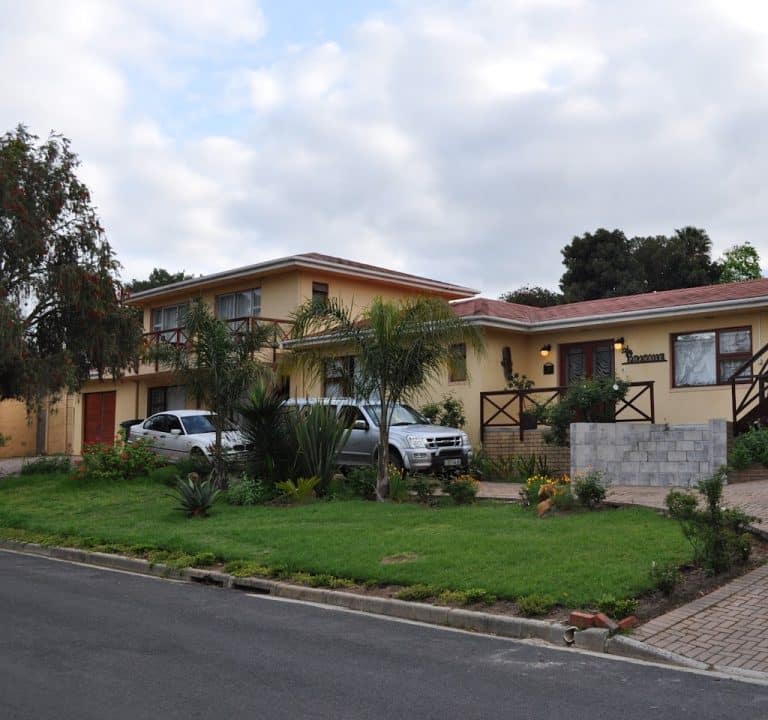
For a traditional yet comfortable stay, consider guest houses and smaller boutique hotels in central districts such as the City Bowl, Tamboerskloof, and Gardens. These areas are walkable to museums, markets, and cafés, and they often pair personalised service with intimate atmosphere. If you prefer sweeping views and easy access to the Atlantic coast, the Atlantic Seaboard and Camps Bay offer stylish hotels and self-catering options with sea glimpses and lively beach vibes. For a restorative countryside break close to Cape Town’s wine routes and nature reserves, there are guest houses and lodges on the outskirts that balance rural charm with convenience to the city.
What to look for when booking
- Location and access: consider how you’ll get around. If you’re relying on public transport, choose places near MyCiTi routes or main tram/rail hubs. If you’re renting a car, you’ll want parking and easy routes to the Table Mountain Cableway, the V&A Waterfront, and the Cape Peninsula.
- Type of stay: decide whether you want a hosts’ personal touch in a family-run guest house, a contemporary hotel experience, or a self-catering option with kitchen facilities.
- Amenities: many properties in Cape Town offer free Wi-Fi, daily housekeeping, secure parking, breakfast, and on-site dining. Look for options with flexible check-in and clear cancellation policies.
- Room configurations: family rooms, en-suite bathrooms, workspaces for business travellers, and outdoor terraces can all influence your comfort, so review room details carefully.
- Safety and access: check guest reviews for safety, well-lit streets, and secure entrances, especially if you’ll be out after sunset exploring the city.
Typical amenities and practicalities
- Breakfast and dining: a hearty breakfast is often included in guest houses and smaller hotels, with some venues offering continental or full-service options. Restaurants across Cape Town provide diverse cuisines, from casual cafés to more refined dining rooms, frequently emphasising fresh seafood, regional produce, and global flavours.
- Wi‑Fi and workspaces: many properties cater to travellers who need reliable connectivity, offering free Wi‑Fi and comfortable work areas.
- Outdoor spaces: terraces, verandas, and garden courtyards are common and ideal for catching the morning sun or relaxing after a day of sightseeing.
- Parking and access: secure parking or on-street options are important in busy parts of the city; confirm whether parking is included or available for an extra fee.
- Sustainability: some properties emphasise sustainable practices, such as energy efficiency, water conservation, and locally sourced breakfast ingredients.
Best time to visit and planning tips
- When to go: Cape Town’s peak visitor months are often South Africa’s summer (roughly November to February), offering warm days and calmer seas along the coastline. Winter (June to August) tends to be milder than inland destinations, with occasional rain and fewer crowds, which can suit travellers seeking a quieter pace.
- Plan around activities: if you want to hike or take a scenic drive along the coast, mornings are typically best to avoid the heat and crowds. For city sights and museums, late mornings and afternoons work well, with cooler evenings for dining out.
- Transport strategies: renting a car gives flexibility for exploring the Cape Peninsula and nearby wine routes, but you can also rely on a combination of rideshares, MyCiTi bus services, and organised tours to access major sights.
- Safety: remaining aware of your surroundings, particularly after dark in more central or less busy areas, helps travellers enjoy the city's many experiences with greater peace of mind.
- Booking window: securing accommodation several weeks to a few months ahead, especially for peak seasons or long weekends, helps ensure your preferred area and style of stay.
Attractions and experiences in general terms
Cape Town is a gateway to iconic natural scenery and cultural experiences. Highlights include panoramic drives and hikes that reveal dramatic coastlines, sunlit Table Mountain viewpoints, botanical gardens with rich flora, and historical sites that tell South Africa’s complex story. The city’s dining scene ranges from casual cafés to sophisticated restaurants, many drawing on fresh seafood and locally sourced ingredients. Day trips to the surrounding wine districts, penguin beaches, and scenic coastal towns offer additional variety for visitors who want to balance city life with nature and rural charm.
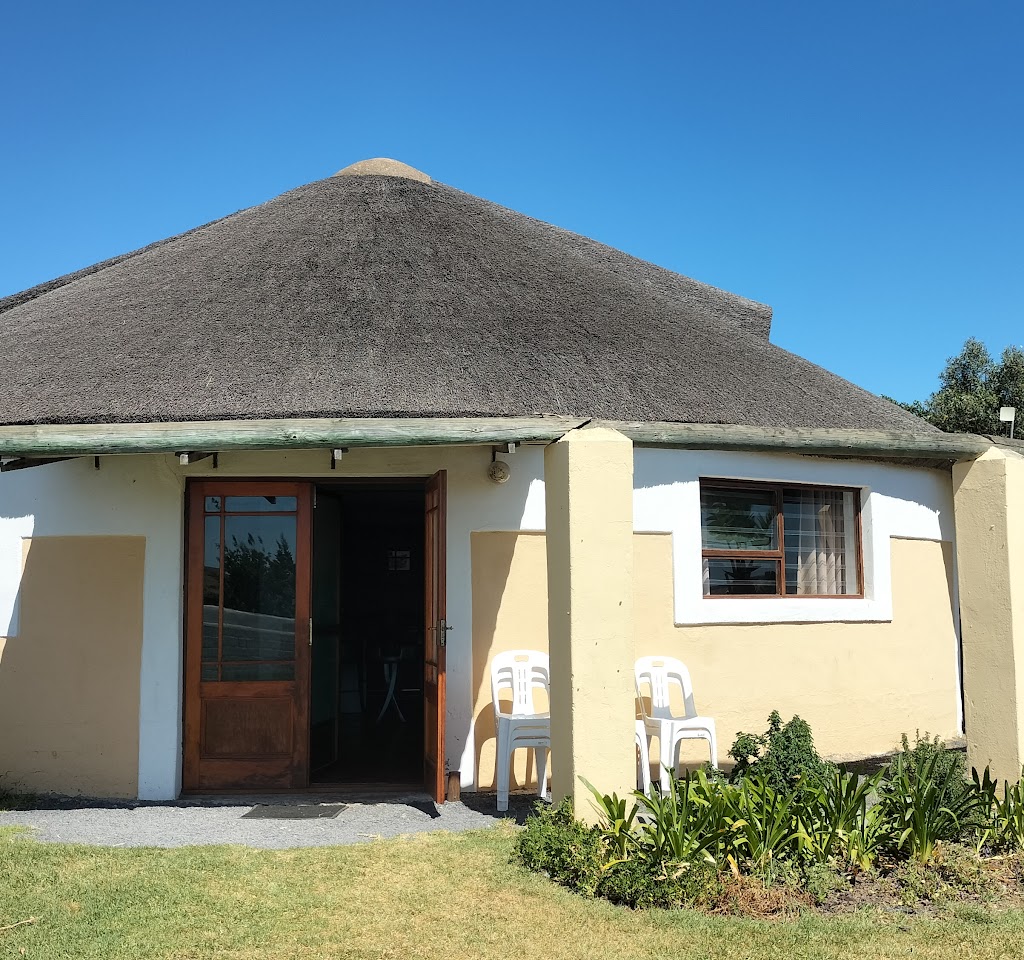
A welcoming place to stay and explore, Cape Town rewards careful planning and a mix of experiences. For a restful base with a touch of country calm while remaining close to the city’s vibrancy, consider venues like Rondekuil Venues and Accommodation as part of your broader stay. Learn more about accommodation options and planning on the property’s site: https://www.rondekuil-venues.co.za/.
- Choose a base that suits your pace and interests.
- Consider proximity to transport hubs for easy day trips.
- Balance self-catering or breakfast-included options with flexibility for dining out.
- Plan around outdoor activities and coastal drives for the best light and weather.