Accommodation and planning a stay in Cape Town, Western Cape
Cape Town blends dramatic scenery with a vibrant urban edge, making it a captivating destination for a shorter city break or a longer, more relaxed getaway. When choosing where to stay, consider a mix of convenience, views, and access to the activities you enjoy most. Whether you prefer a stylish hotel on the Atlantic seaboard, a tranquil guesthouse in the Constantia valley, or a boutique lodge near the Cape Winelands, there are options to suit a range of budgets and itineraries.
For visitors planning a balanced itinerary, it helps to think in terms of geography. The city centre and the historic Bo-Kaap area offer cultural sights and a bustling dining scene, while the Atlantic Seaboard and Camps Bay provide spectacular beach scenery and sunset views. The Constantia Valley and nearby Stellenbosch are ideal for wine enthusiasts, with rolling vineyards and tasting rooms that are easily accessible from the city. If you’re visiting with family or a group, a self-catering apartment or a well-equipped guesthouse can provide flexibility between days out and evenings in.
Below is a quick guide to areas to consider when booking, what to look for in a room or suite, and handy amenities to expect during a stay in Cape Town.
- City centre and Waterfront: Great for convenience, access to museums, theatres, and nightlife. Look for proximity to transport links and easy access to hop-on tours, ideally with on-site or nearby parking.
- Atlantic Seaboard and Camps Bay: Best for sea views and beach access. Seek rooms with terraces or balconies, good soundproofing, and quality breakfast options if you plan to linger before a day of sightseeing.
- Constantia Valley and surrounding suburbs: Excellent for wine tours and a quieter setting. Look for estate houses or boutique hotels with open spaces, gardens, and knowledgeable concierge services for winery recommendations.
- Southern Suburbs and the winelands corridor: A good base for day trips to Cape Point, Hout Bay, and the Cape Winelands. Check for reliable transfer options or guided day tours if you don’t plan to drive.
Typical amenities you might encounter include a comfortable bed with clean linens, daily housekeeping or regular towel changes, reliable wi‑fi, air conditioning or heating for seasonal comfort, and a private or shared lounge area. Many boutique hotels and guesthouses offer generous breakfast provisions, and some properties provide self-catering facilities or small kitchens. A stylish bathroom with ample hot water, good water pressure, and quality toiletries is a reliable indicator of comfort. If you require access for mobility needs, verify lift access, wide doorways, and step-free routes in advance.
Transport is a practical consideration in Cape Town. The city is fairly walkable in certain neighbourhoods, but many attractions lie outside easy walking distance from central areas. Public transport includes a limited rail network and bus services, with rideshares and taxis widely used by visitors. If you plan to explore widely, a rental car offers flexibility, particularly for day trips to the Winelands or the Cape Peninsula. Some accommodation providers arrange airport shuttles or private transfers, which can simplify travel, especially after a long flight.
The best time to visit Cape Town depends on your priorities. The peak tourist season spans generally from December to February, when the weather is warmest and ocean swimming is most popular. Spring (September to November) and autumn (March to May) offer mild temperatures and fewer crowds, which can be ideal for city exploration and restaurant hopping. Winter (June to August) is cooler and rainier, yet a good time for wineries, museums, and indoor cultural venues, often with lower rates and more available rooms.
When planning your stay, practical tips can make a big difference. Book early in peak seasons or during major events to secure preferred areas and the best room types. Read guest reviews to gauge responsiveness of staff, readability of the breakfast offering, and the overall ambience. Check whether the property has air conditioning for summer heat, reliable heating for winter, and strong wi‑fi for working travellers or streaming entertainment after a day out. If you expect to do a lot of outdoor activity, confirm facilities such as secure parking, outdoor spaces, and ways to store gear like surfboards or hiking equipment.
Cape Town offers a broad spectrum of surrounding attractions and experiences in general terms: you can explore iconic natural landmarks such as cliff-edged viewpoints and cable-car views of Table Mountain, enjoy boat trips and excursions to nearby islands, and discover coastal towns with local markets and cafés. In the dining scene, you’ll find a mix of casual eateries and refined restaurants offering South African flavours alongside international cuisines. For a relaxed day trip, consider a visit to a wine estate or a coastal drive along the Atlantic seaboard, with stops for light meals and short walks in scenic settings. Accommodation providers often have partnerships or guidance on popular day trips, making it easier to plot a balanced itinerary that fits your pace.
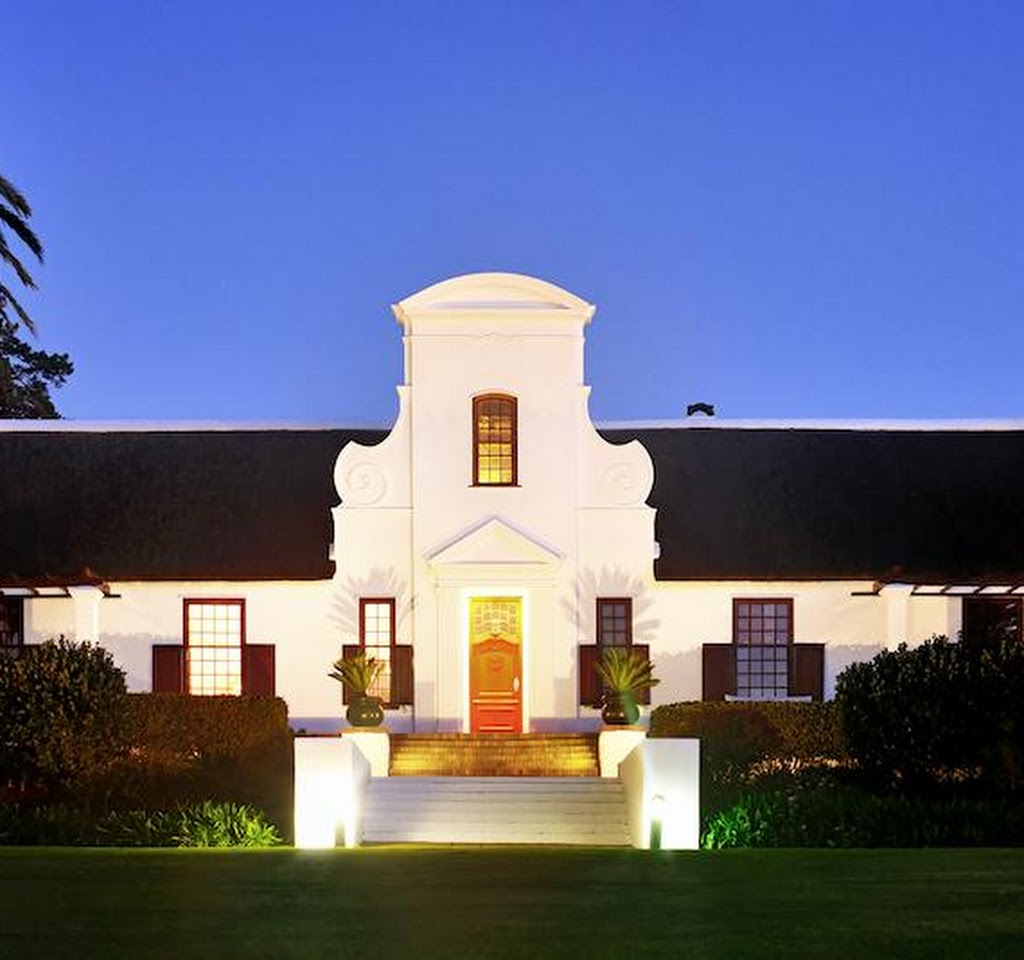
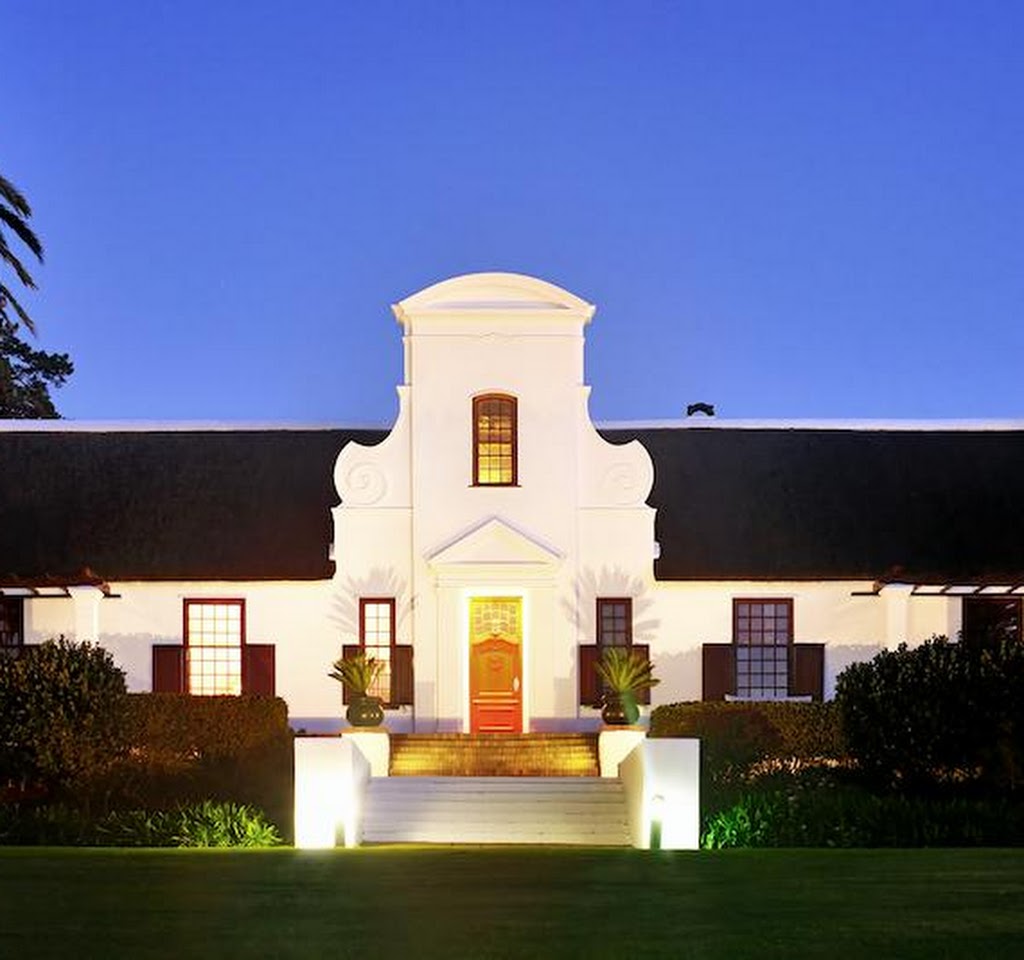
One notable example of the accommodation landscape in the region is Meerendal Boutique Hotel, a property positioned well for travellers who wish to combine a peaceful setting with easy access to the Cape Winelands and surrounding towns. For more information, visitors can visit the official site to explore room types, dining options, and guest services that align with a countryside‑inspired stay.
In summary, planning a stay in Cape Town combines choosing the right area for your interests, understanding the kinds of amenities that suit your旅 style, and mapping practical transport and timing to maximise what you see and do. With its diverse accommodation options, scenic beauty, and abundant dining and cultural experiences, Cape Town is well suited to a thoughtfully planned and enjoyable visit.