Accommodation and experiences in Phuthaditjhaba, Free State: planning your stay
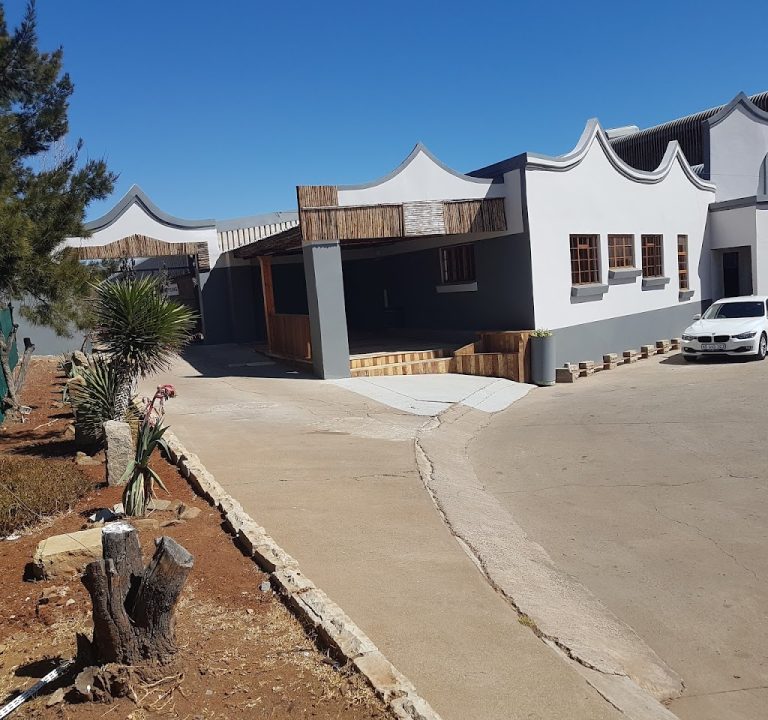
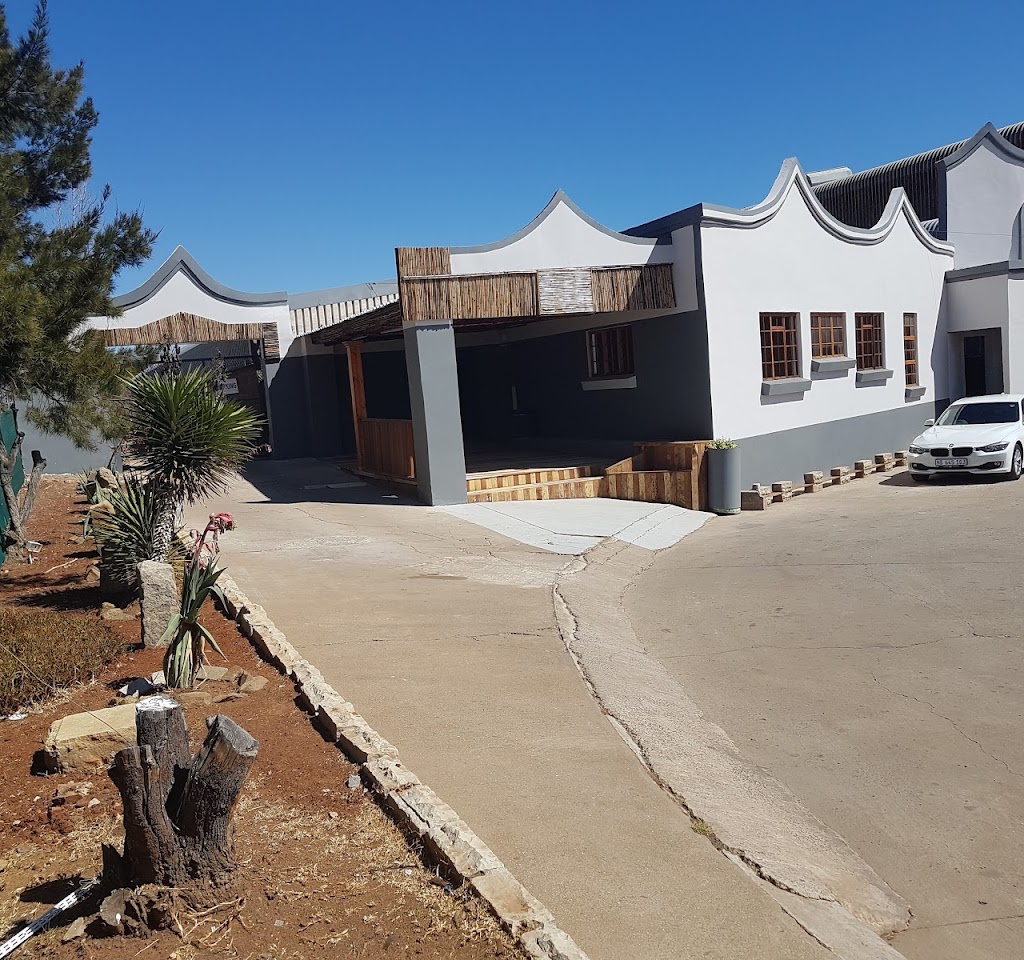
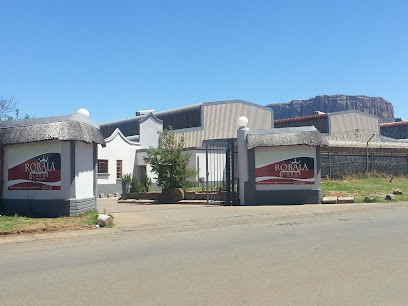
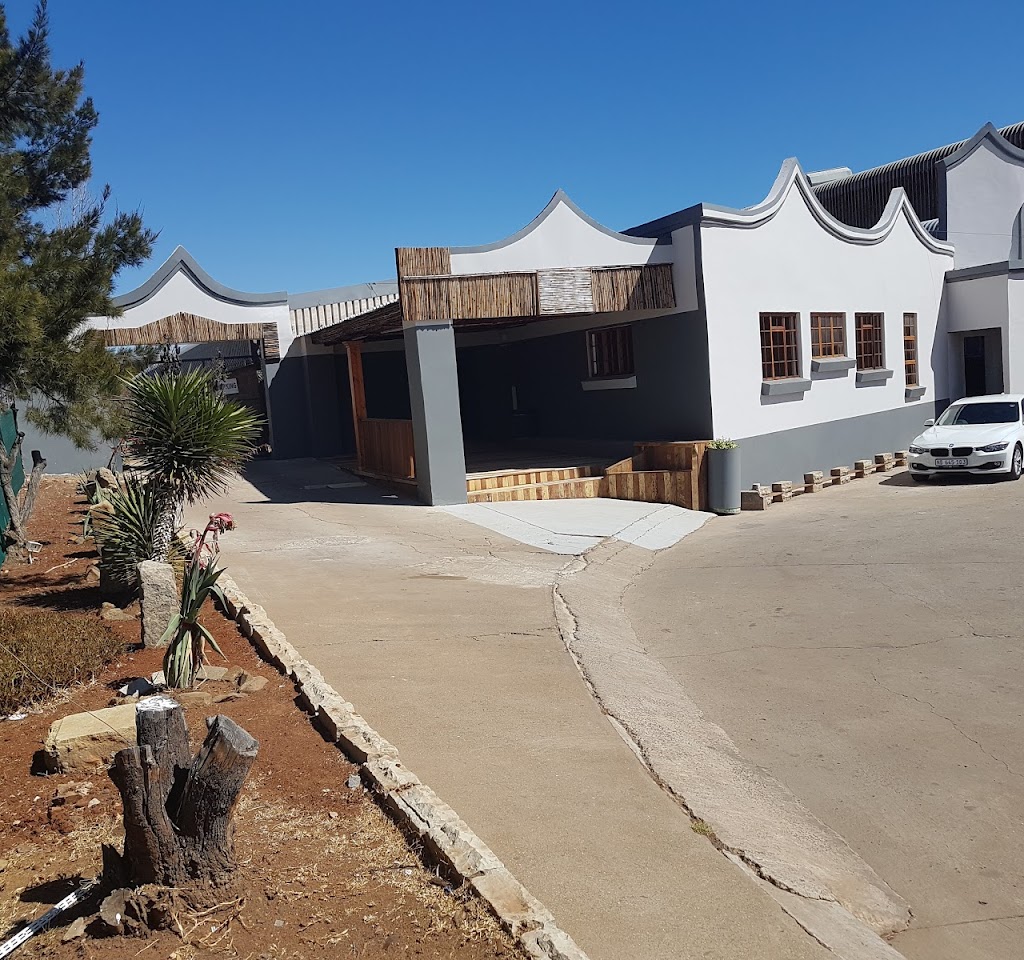
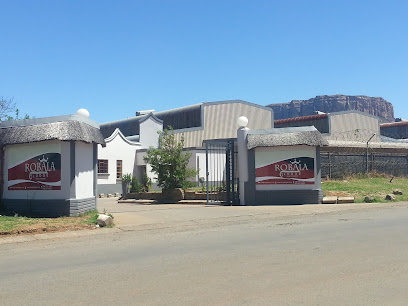
Nestled in the scenic foothills of the Free State, Phuthaditjhaba offers a gateway to natural beauty, cultural experiences and straightforward, friendly hospitality. When planning a visit, it is useful to think about where you want to stay in relation to the town’s practical needs and the activities you have lined up. The town itself provides a range of options, from modest guesthouses and B&Bs to more business‑oriented venues such as conference centres. One notable example is Robala Lodge, known for its function as a conference centre and its convenient location. Whether you are travelling for work, a family break or a quick cultural jaunt, there are places to suit different budgets and preferences.
Areas to consider when choosing accommodation include central areas near shops and eateries, or quieter corners closer to nature and walking routes. If you plan day trips to surrounding landscapes, a base a short drive from the town centre can reduce commute times while still keeping you close to amenities. For visitors who prioritise accessibility, look for properties that offer level entrances, clear signage, and easy access to parking. If you are traveling with colleagues or groups, a self‑contained unit or a small lodge with flexible room layouts can simplify dining and meeting arrangements.
Typical amenities to look for include reliable Wi‑Fi, secure parking, and a comfortable workspace if you need to catch up on work or plan your days. Guesthouses and lodges often provide breakfast options, which can be a convenient start before a day of exploring. Some properties offer on‑site dining, while others provide easy access to local restaurants and cafés. Conference facilities or meeting rooms are a practical feature for business travellers or organising small events, so if your trip involves a workshop or presentation, check for room configurations, AV equipment, and catering options.
When booking, consider the level of service you prefer. Small, independently run guesthouses usually offer a warm, personalised touch, with hosts who can offer local tips and arrange transportation or guided experiences. Larger accommodation providers may provide more structured itineraries or more extensive conference services. Always confirm what is included in the rate—whether breakfast, cleaning, or secure parking are part of the package. If you have mobility needs or dietary restrictions, communicate these in advance to ensure the property can accommodate them.
Transport in and around Phuthaditjhaba is straightforward, though you should plan ahead for longer day trips. The town enjoys a network of roads that connect to regional centres, and some accommodations offer shuttle services or can arrange transfers with local operators. If you plan to explore away from the town, renting a car is often the simplest option, giving you flexibility to visit natural attractions, viewpoints and rural communities at your own pace. For those preferring public transport, ask your host for advice on reliable options, schedules and safer travel times, especially if you intend to move around after dark.
The best time to visit Phuthaditjhaba depends on your interests. The region experiences four distinct seasons, with cooler winters and warmer summers. If you enjoy outdoor activities such as hiking or scenic drives, late spring and autumn can offer pleasant temperatures and quieter trails. The area’s landscapes take on a different character with each season, so planning around light conditions and weather forecasts helps ensure a comfortable stay. If you are visiting for cultural experiences or local markets, you may find seasonal timings and community events helpful to know in advance. While peak holiday periods can be busier, midweek stays often provide a calmer atmosphere and potentially better rates.
Attractions and experiences in and around Phuthaditjhaba are broad rather than dominated by a single well-known site. Expect nature‑based outings that allow you to appreciate the surrounding hills and wildlife, simple cultural encounters, and opportunities to sample regional cuisine. In planning activities, balance nature days with cultural or community experiences to gain a fuller sense of the area. Local guides and community‑run ventures can offer authentic perspectives, from guided walks to demonstrations of traditional crafts. When arranging activities, ask your host for reputable operators and realistic timeframes so you can comfortably match them to meals and rest periods.
For dining, many accommodation providers can recommend nearby eateries ranging from casual cafés to more substantial dining rooms. If you prefer to explore on foot or within a short drive, a flexible plan will allow you to try different venues without feeling rushed. When budgeting, consider how meal costs fit into your accommodation package and whether self‑catering options are useful for your group. A practical tip is to plan at least one full‑service meal out per day, while keeping a few lighter options in your accommodation for busy days or evenings when you simply want to relax after a busy schedule.
Practical planning tips in brief:
- Book early during peak travel periods and ask about flexible rates or cancellation policies.
- Choose accommodation with clear access to parking and basic amenities that suit the length of stay.
- Request local tips on transport, safety, and must‑see spots to make the most of your time.
- Consider a mix of leisure and business facilities if you need a space to work or hold small meetings.
- Confirm any dietary needs or accessibility requirements well in advance.
With thoughtful planning, Phuthaditjhaba can offer a balanced stay with comfortable accommodation, easy access to natural beauty, and authentic experiences that reflect the Free State’s warmth and hospitality. Whether your focus is a conference, a family break, or a cultural exploration, the town provides a friendly base from which to discover the wider region.