Staying in Phuthaditjhaba: where to base your visit and what to explore
Phuthaditjhaba in the Free State offers a welcoming base for travellers seeking a blend of hill‑top scenery, Khoisan heritage surrounding the QwaQwa region, and stepping‑stone access to nearby nature reserves. When planning a stay, it helps to treat the town as a hub from which you can explore wider Tswapong landscapes, the Golden Gate Highlands National Park, and the surrounding rural communities. A comfortable foundation can make day trips smoother and more enjoyable, whether you are visiting for nature, culture, or simple rest after long drives.
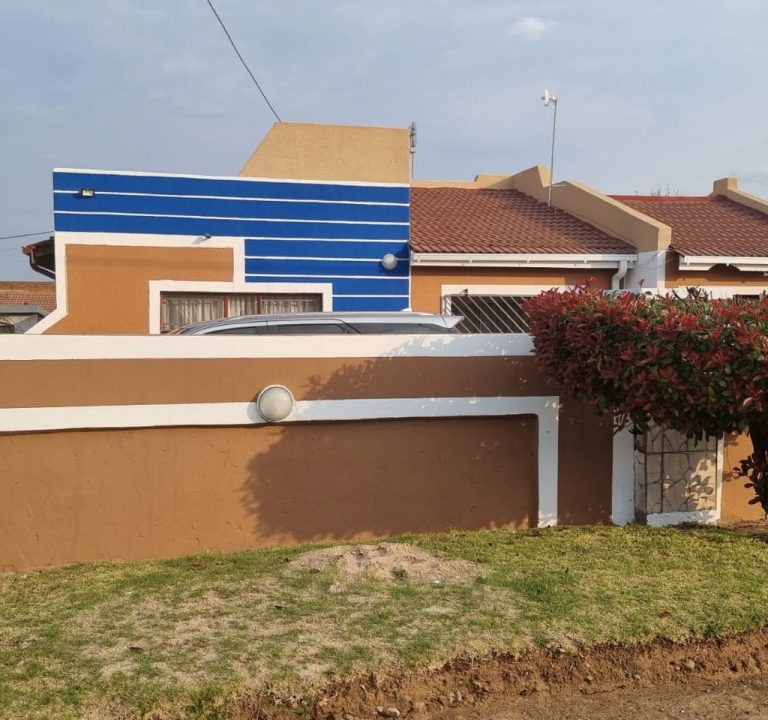
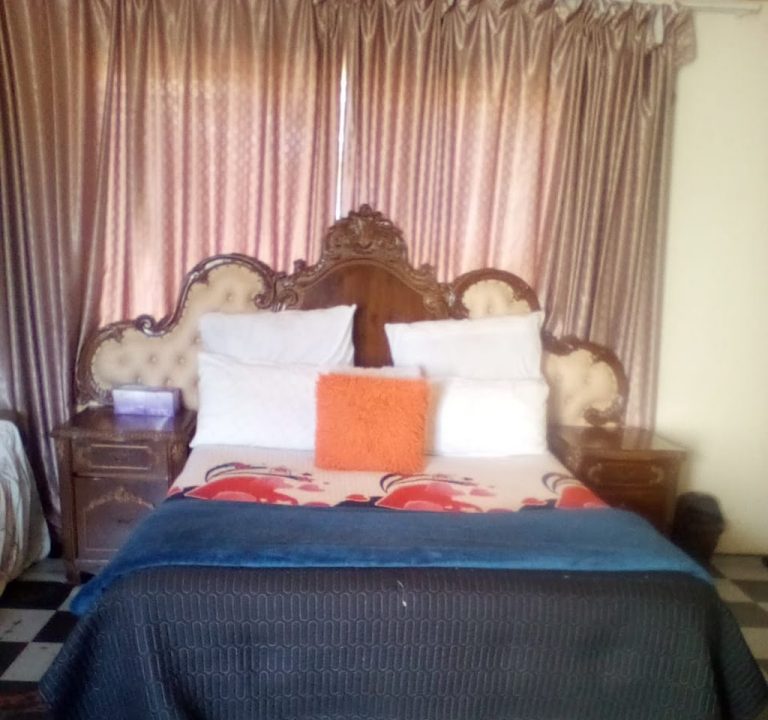
Accommodations in Phuthaditjhaba range from guesthouses and bed & breakfast properties to small lodges and self‑catering options. One example is a friendly B&B such as Nafi guesthouse, which can provide a compact, home‑like stay with practical facilities and local insights. When choosing where to stay, consider the following areas and what they offer:
- Central town areas: Proximity to shops, markets and eateries is a clear advantage, and walkability to a few services can shorten daily planning and transport needs.
- Outskirts and hillside pockets: These areas often deliver more expansive views, quieter streets, and potential access to outdoor trails or viewpoints, though they may rely more on car travel for errands.
- Neighbourhoods with dobrin or vantage points: If you value sunrise or sunset vistas, look for properties perched with broader outlooks across the surrounding plains or hills.
When booking, think about what matters most for your stay. Typical amenities to look for include reliable hot water, good bedding and privacy, on‑site parking or easy parking nearby, and clear information about access to public transport or shuttle options. A guesthouse or B&B will often offer breakfast as part of the stay, which can be a convenient way to start a day of exploration. For longer visits, a self‑catering unit or a room with a small kitchenette can save time and provide flexibility for meal planning after day trips.
Transport arrangements are particularly important in this region. While Phuthaditjhaba has local taxi services and some public transport routes, a car is usually the simplest way to explore the broader area, reach nature reserves, or visit nearby towns. If you prefer not to drive, check with your host about airport transfers or local guided tours that operate on the days you plan to be out exploring. If you do hire a vehicle, consider a vehicle with reliable traction for varied terrain and weather conditions, and always have a basic road‑worthy kit in the boot.
Best time to visit Phuthaditjhaba depends on what you want from your trip. The region experiences warm summers and cooler winters, with more significant temperature shifts in the shoulder seasons. Spring and autumn can offer pleasant weather for outdoor activities such as short walks or easy hill climbs, while winter visits may be quieter and more peaceful, though you should be prepared for cooler evenings. Rainfall patterns vary, so it’s wise to pack layers and a lightweight waterproof layer for sudden showers.
Practical planning tips help ensure a smooth stay:
- Book accommodation with flexible cancellation policies where possible, in case travel plans shift.
- Check what meals are included and whether there are nearby eateries or markets within walking distance if breakfast is not included.
- Confirm access times for any attractions or protected areas you wish to visit, to align with opening hours and best light for photography.
- Ask hosts or reception for maps or recommended routes that showcase local scenery, culture, and viewpoints.
- Pack insect repellent and sun protection for outdoor activities, plus a light jacket for cooler evenings.
Attractions and experiences in the broader area are typically described in broad terms to help you plan without overstating specific claims. Visitors commonly explore natural landscapes, viewpoints across rolling hills, and nearby protected or scenic areas. Cultural experiences may include visits to community initiatives or crafts spaces, which can offer insight into local heritage and everyday life. Food and dining experiences in town tend to feature simple but satisfying options, ranging from casual cafés to family‑run eateries that reflect regional flavours and hospitality.
Dining out during a stay can be straightforward and relaxed. Look for places that provide straightforward menus and generous portions, with options to suit different dietary needs. If you are keen on sampling local staples, ask your host for recommendations on where to find wholesome, homemade fare or traditional dishes in nearby towns. For any restaurant visits, a little planning can help you avoid peak periods and discover hidden gems off the usual tourist trail.
For those planning longer visits, consider a day excursion to neighbouring natural reserves or scenic drives. A well‑planned itinerary can balance mornings spent enjoying your accommodation’s comforts with afternoons spent outdoors or in smaller towns where you can meet residents and gain a sense of place. The key is flexibility: keep a couple of core anchors—such as a preferred viewpoint, a reliable dining option, and a comfortable base—and fill the rest with serendipitous discoveries along the way.
Ultimately, Phuthaditjhaba offers a straightforward, friendly base for travellers keen to experience the Free State’s landscape and hospitality. By choosing a well‑located accommodation, planning for transport, and keeping a flexible mindset about daily activities, you can enjoy a fulfilling stay that blends rest, scenery, and cultural insight. For further inspiration, explore a few reputable travel guides and official tourism resources to tailor your plans to your interests and travel dates.