Phuthaditjhaba: where to stay and how to plan your visit in the Free State
Phuthaditjhaba, nestled in the eastern Free State, offers a gateway to striking natural scenery, cultural experiences and a warmly welcoming hospitality scene. When planning a stay, travellers often balance proximity to local sights with comfort, safety and a true sense of place. The town and its surrounding areas provide a mix of guesthouses, small hotels and bed-and-breakfast properties, many with mountain views and easy access to hiking routes and nearby nature reserves.
Accommodation options in and around Phuthaditjhaba tend to emphasise value and character, from family-run B&Bs to lodge-style guesthouses. Look for properties that clearly describe the location relative to town centres, transport hubs and trailheads. A stay with a rural or hillside setting can be particularly rewarding, offering peaceful mornings and opportunities to spot birds or take short nature walks before breakfast.
When choosing where to base yourself, consider the following areas and factors. Central townside stays can maximise convenience for shops, eateries and local markets, while hillside or village-edge properties may provide quieter nights and expansive views. If you plan day trips to the surrounding hills or to cultural sites, ensure your accommodation has straightforward access to main roads or reliable transfer options. If you’re travelling without a car, check for proximity to regional buses or organised tours that serve the area.
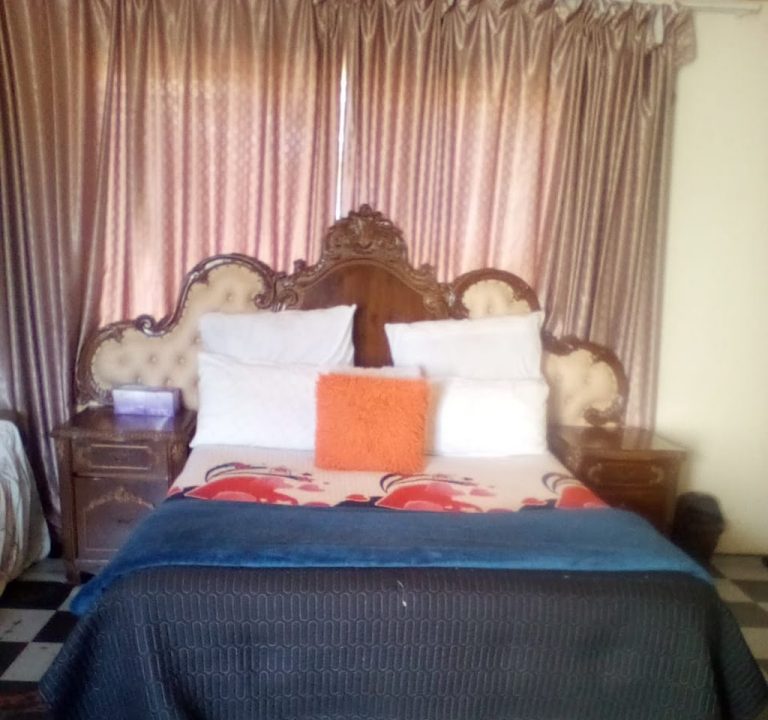
Typical amenities you might encounter include comfortable rooms with private or en-suite bathrooms, wholesome breakfasts featuring regional staples, and secure parking. Some guesthouses offer evening meals or share a communal dining space, which can be convenient for meeting fellow travellers. Wi‑Fi quality varies, so if you need a reliable connection for work or planning, verify this in advance. Access to heating in cooler months is worth confirming in winter, as highland nights can become quite crisp, even in South Africa’s warmer regions.
Transport to and around Phuthaditjhaba is usually best arranged in advance. If you are driving, you’ll appreciate ample on-site parking and easy access to arterial routes. For those relying on public transport, check the nearest taxi ranks or bus stops and ask your host about suggested local travel options. Depending on your plans, a short taxi ride to nearby viewpoints or cultural sites can be a sensible approach, particularly if you are short on time.
The best time to visit Phuthaditjhaba depends on what you want from your trip. Spring and autumn typically offer mild weather ideal for day trips, hiking and outdoor photography. Winter can be pleasantly crisp, with clear skies ideal for mountain vistas, though evenings may require warm layers. Summer brings longer days and lush landscapes, but be prepared for occasional showers. If you are visiting for cultural experiences or markets, align your stay with local events and market days you hear about from your host or regional tourism information.
Practical planning tips help ensure a smooth stay. It is useful to book close to the area you intend to explore most, to minimise travel time each day. Confirm what meals are included and whether you can arrange dietary preferences. Ask about check-in times and whether late arrivals can be accommodated, especially if you are travelling after dark from remote areas. Inquire about safety and security measures, such as secure parking and well-lit entrances, as a standard part of comfortable travel. It’s also wise to ask for local tips—where to find a hearty breakfast, reliable café lunches or an evening spot with live local music. A friendly host can often point you toward off-the-beaten-path viewpoints or walking routes that aren’t found in guidebooks.
In terms of activities, Phuthaditjhaba offers a blend of outdoor pursuits and cultural immersion without requiring long travel. Expect scenic drives or walks in the surrounding hills, with opportunities to visit nearby villages and to observe traditional crafts or music. For dining, you’ll likely find simple, tasty fare that highlights regional ingredients and home-style cooking rather than formal fine dining. Look for places that prioritise fresh ingredients and customer service, and don’t hesitate to ask your host for recommendations on where locals eat or what to try during your visit.
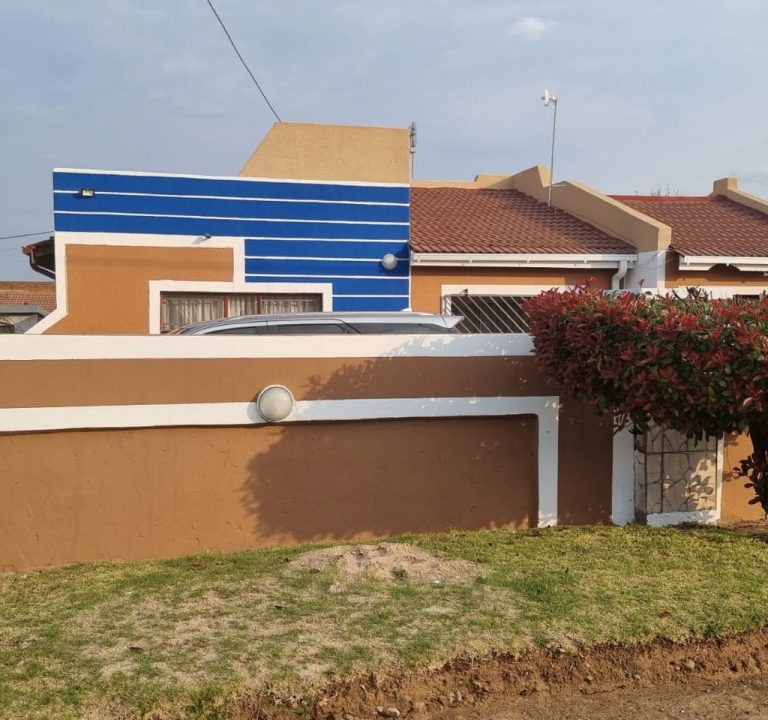
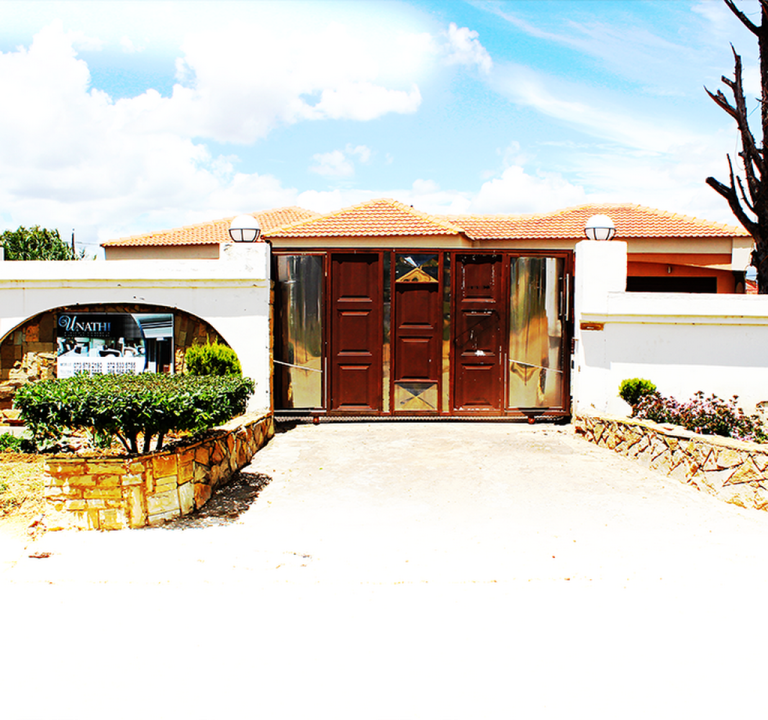
One example of a comfortable, characterful stay in this region is a bed-and-breakfast-style guesthouse that emphasises a home-from-home atmosphere and approachable hospitality. Such properties often offer a social dining space, room-by-room breakfast service and knowledgeable hosts who can tailor local tips to your itinerary. If you encounter a property with a similar model, compare the offered amenities, guest reviews and distances to the sights you most want to see, and choose the option that best fits how you like to travel—whether that means a quiet base with panoramic views or a central hub with ready access to town amenities.
- Key considerations when booking: location relative to your planned activities; available transport options; included meals; heating and comfort for cooler evenings; secure parking and personal safety; cancellation policy; and Wi‑Fi quality for planning on the go.
- Must-checks before arrival: confirm check-in arrangements, discuss breakfast timing, and request tips on local transport routes, markets and short nature walks.
- Practical tips: bring layers for variable highland weather, have a flexible day plan to account for changing conditions, and carry a map or offline navigation for rural routes.