Phuthaditjhaba: a practical guide to accommodation, attractions and getting around
Phuthaditjhaba in the Free State offers a gateway to the highland scenery of the Maluti Mountains and the surrounding cultural heritage of the QwaQwa area. When planning a stay, it helps to understand the layout of the town, the types of places to stay and how to move around to make the most of your visit. From guest houses to self-catering cottages, there are options that suit both weekend breaks and longer stays, with a focus on comfortable, traveller-friendly spaces.
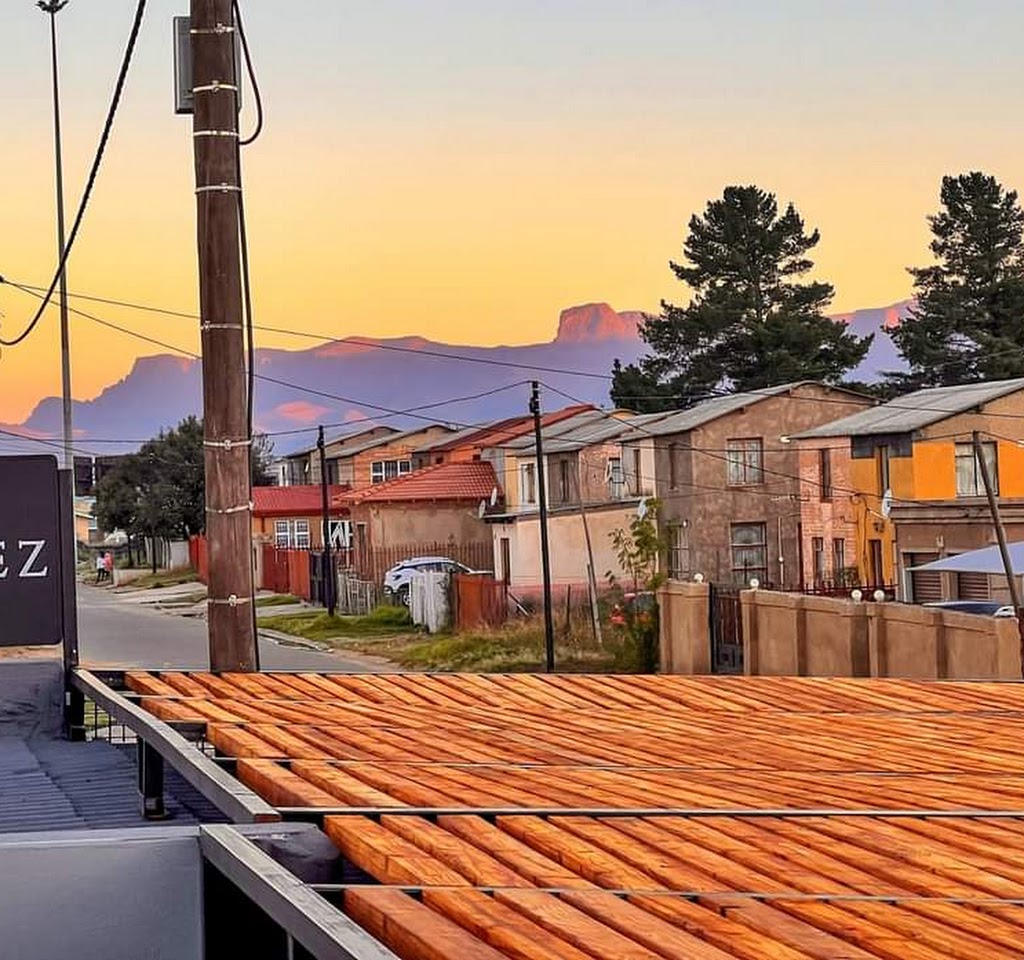
Where to stay and how to choose your neighbourhood. Areas close to the town centre tend to offer convenience for walkers and easy access to shops and eateries, while calm residential streets can provide more peaceful nights. If you prefer proximity to natural scenery, look for accommodation on the fringe of the town that offers views of the surrounding hills and mountain foothills. For those planning day trips into the highlands or to nearby parks, selecting a place with straightforward access to main routes will save time on driving and allow for flexible itineraries.
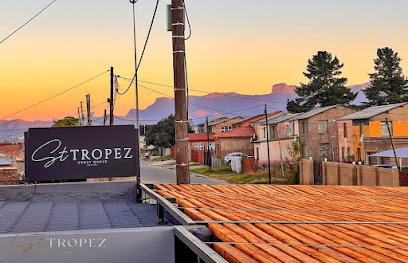
Types of accommodation you may encounter. Phuthaditjhaba hosts a mix of guest houses, B&Bs, cottages and small lodges. Guest houses such as St Tropez Guesthouse Qwa-Qwa (where available) often provide a personable, locally run experience with breakfast options and shared or private facilities. Self-catering cottages or flats are popular for travellers seeking flexibility, offering kitchen amenities and dedicated parking. In all cases, look for clean, well-kept communal spaces, clear house rules, and hosts who can provide local insights on Sotho culture, markets and route suggestions.
What to look for when booking. When you book a stay, consider these practical aspects to ensure a smooth visit:
- Location relative to your planned activities and to the town centre.
- Availability of on-site parking or easy street parking nearby.
- Guest access to Wi‑Fi, heating or air conditioning, and hot water reliability.
- Kitchen facilities if you prefer self-catering, or available breakfast options if you want no-hassle mornings.
- Safety features and well-lit walkways, particularly for evening strolls after dining out.
- Cancellation policy and the flexibility to adjust plans if weather or transport changes occur.
Typical amenities you might expect. In this region, guests commonly find en-suite or adjacent bathrooms, tidy communal spaces, and easy access to laundry facilities. Many properties provide breakfast, with options for packed lunches or light dinners where available. Family-friendly rooms or suites may be available, along with shaded outdoor areas for relaxing after long days of sightseeing. If you require accessibility features, confirm steps, door widths and the presence of a ground-floor room before booking.
Transport and getting around. Phuthaditjhaba is best explored with a mix of self-drive and short local trips. If you are flying into the area, you will likely travel via Bloemfontein or Johannesburg, followed by a road journey to the town. Once there, the compact nature of the town makes walking feasible for central sights, while short taxi rides or private transfers can save time when visiting outlying attractions. If you are planning long day trips into the surrounding highlands or parks, a rented vehicle offers the greatest flexibility and freedom to set your own timetable.
Best time to visit and what to pack. The climate in the Free State uplands brings warm days and cooler nights, with winter months adding a chill that makes layers essential. Spring and autumn usually offer pleasant conditions for outdoor exploration and walking, while summer can bring occasional showers. It pays to pack layered clothing, comfortable walking shoes, a sunhat for daytime, and a light rain jacket. Remember that high-altitude mornings can be crisp, so a warm layer is useful for early starts to hikes or scenic drives.
What to do and see in and around Phuthaditjhaba. The area is renowned for its access to natural landscapes and cultural experiences. Within a short drive, you can appreciate expansive mountain scenery, opportunities for short hikes, and viewpoints that showcase the drakensberg-montane environment. The town serves as a starting point for excursions into nearby natural reserves and traditional villages. In town, you’ll find local eateries and markets that offer simple, well-prepared meals and a chance to sample regional dishes. For a broader experience, consider guided walks or day trips that emphasise sustainability and heritage, helping you connect with local communities and landscape in a respectful way.
Practical tips for a smooth stay. Do some planning in advance but stay flexible; local hosts often have great suggestions for routes, timings and safe, convenient dining options. If you’re staying in a guest house or B&B, ask for the best routes into town and any recommended walking routes for evenings. Keep a small amount of local currency for markets and modest entrance fees, though many establishments accept cards. Confirm check-in times and whether early or late arrivals can be accommodated. Finally, respect local customs and environmental guidelines when visiting rural villages or protected landscapes, ensuring your presence supports sustainable tourism in the area.
Links for planning and further information. For general travel planning and regional context, you can consult official tourism resources and reputable travel sites that cover South Africa’s Free State region. These sources can provide up-to-date details on routes, seasonal advisories and suggested itineraries. If you are considering specific accommodation, check whether the property has a dedicated page or contact point for enquiries and availability. For a starting point, you may explore broader online guides to Phuthaditjhaba and the QwaQwa area, which often include practical tips and local insights that complement your stay.