Accommodation and Experiences in Phuthaditjhaba, Free State: Where to Stay and What to Do
Phuthaditjhaba, tucked in the foothills of the Maluti mountains in the Free State, offers a range of guesthouses, boutique stays and lodges that suit travellers seeking a relaxed base with easy access to nature and culture. Planning a stay here means weighing location, pace and accessibility as much as room comfort. From the central town area to quieter hillside pockets, there are options that prioritise friendly service, practical amenities and a sense of place.
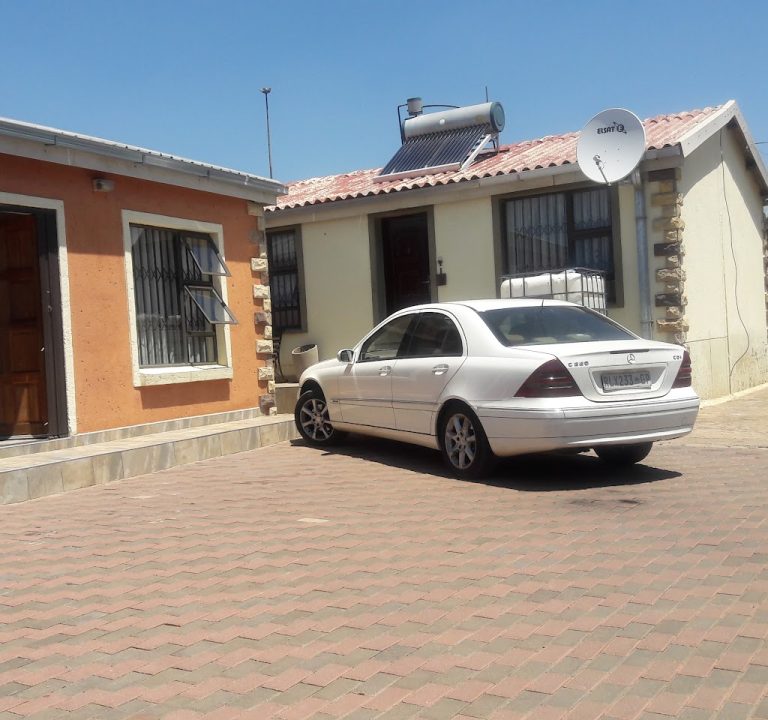
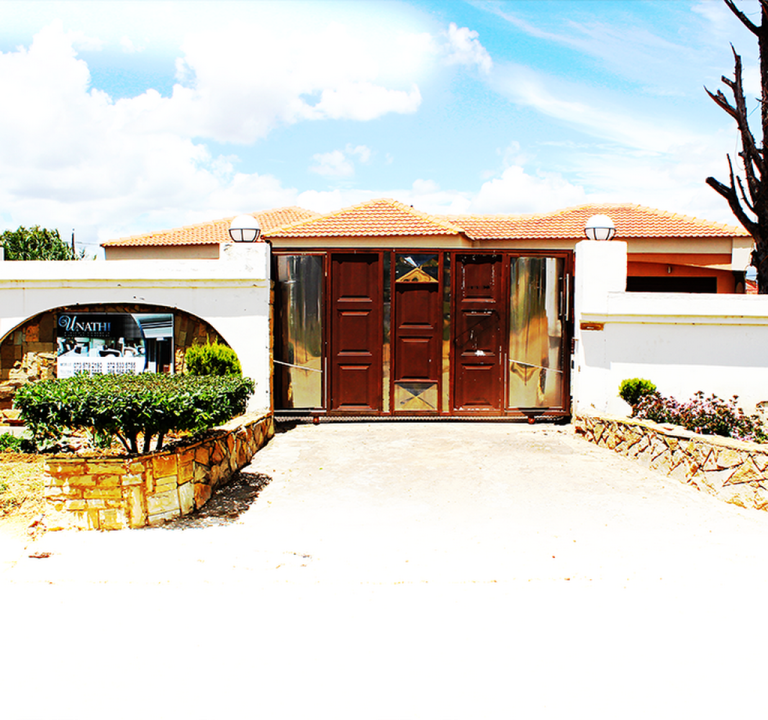
When choosing where to stay, consider the type of experience you want. A guesthouse such as Phuthaditjhaba Rock Valley Lodge (a representative example within the town) can provide a compact, homely feel with predictable facilities: private rooms, en-suite bathrooms, secure parking, and a shared social space for meals or planning the day’s activities. If you prefer more privacy or a higher sense of retreat, look for lodges or self-contained units on the outskirts where you can enjoy views of the surrounding countryside and, often, more expansive outdoor spaces.
Areas to consider include:
- Central Phuthaditjhaba: convenient for walking to shops, markets and local eateries, with easy access to public transport and taxi services. This is a practical choice if you plan to explore on foot between short outings.
- Hillside or ridgeline locations: steps or short drives to guesthouses that offer panoramic views, calmer nights and a quieter atmosphere. These sites may require a vehicle or reliable transport for daily trips.
- Outskirts and rural-adjacent lodges: ideal for travellers who want a more immersive countryside experience, often with outdoor space, fresh air and quieter evenings.
Key factors to look for when booking include robust Wi-Fi (if you need to work or stay connected), heating or cooling suitable for the season, and reliable hot water. South Africa’s climates can be varied, so check whether air conditioning is available for warm nights or heating for cooler evenings. A good guesthouse or lodge will also indicate parking arrangements, security features, and clear check-in procedures. If you’re travelling with children or pets, confirm policies in advance to avoid disappointments at the door.
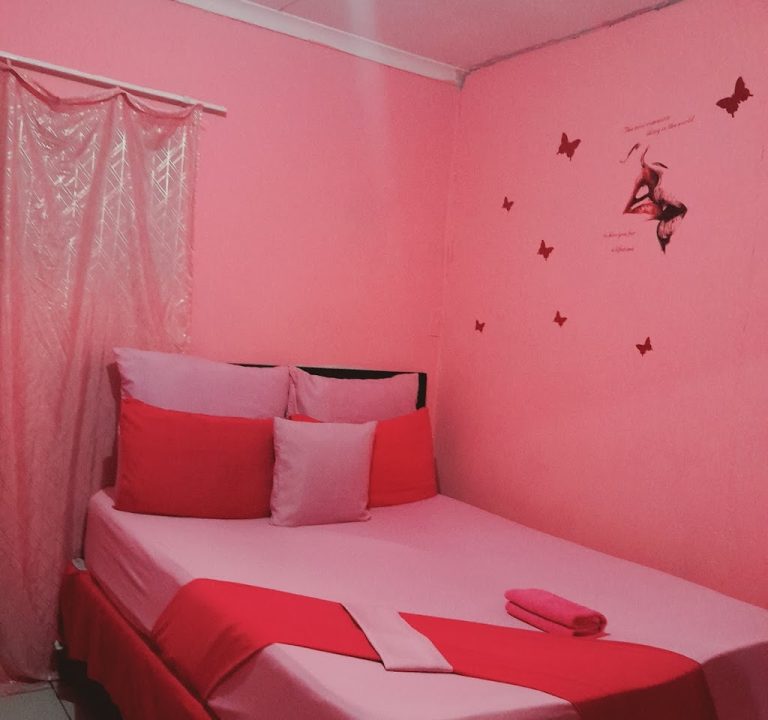
Typical amenities to expect include comfortable beds with quality bedding, private or en-suite bathrooms, tea and coffee-making facilities, and a lightened breakfast option or full meals where available. Some properties offer shared guest lounges, reading corners, and outdoor seating with views. It’s useful to know whether the accommodation provides information packs or maps highlighting local routes, walking trails and points of interest. If you rely on self-catering, check for a well-equipped kitchen or kitchenette, as well as a supermarket or corner shop within a reasonable distance.
Transport in and around Phuthaditjhaba is practical but modest. A car or organised tour vehicle is the most convenient way to move between town, nature areas and day trips. Taxis and ride-hailing services can be accessed in town centres, though schedules and availability may vary. If you’re arriving by air, the closest major hubs may involve a longer road transfer; plan accordingly and allocate time for travel from the airport or larger city you may be coming from. For day-to-day trips, noting a reliable local route plan helps.
Best time to visit Phuthaditjhaba depends on what you want to experience. The region has a striking natural backdrop, so the drier months often provide clearer views of the hills, making outdoor trails more pleasant. If you’re drawn to white-water or river-adjacent activities and the landscapes come alive with seasonal colour, consider shoulder seasons when the weather is milder and crowds are lighter. For cultural experiences and markets, year-round visits are welcome, with weekends offering a greater chance of vendor stalls and local performances.
Practical tips for a smooth stay: book ahead in peak periods and confirm any special requirements (e.g., dietary needs, accessibility needs, or late check-in). Pack layers suitable for mountain weather, which can change quickly, and bring a small daypack for local excursions. In towns of this size, a little flexibility goes a long way; if a preferred property is fully booked, ask the host for trusted alternatives in nearby streets or hills that align with your budget and desired level of comfort.
Attractions and experiences, in broad terms, tend to centre on the surrounding natural beauty and cultural encounters. Expect scenic viewpoints, gentle nature walks and opportunities to learn about local life and heritage. Dining experiences range from simple, home-style meals to more contemporary offerings, with menus that reflect regional influences and seasonal ingredients. For a fuller sense of the area, consider guided walks or community-led tours that highlight the landscape, history and everyday life of residents. While exact names, prices or accolades are not specified here, most visitors find that combining a comfortable stay with a couple of local meals and a light outdoor excursion provides a well-rounded visit.
To help you plan, consider creating a simple itinerary that balances time for rest with a few key activities. Start with a central base option for convenience, add a hillside or rural stay for a change of scenery, and designate one day for a longer nature walk or scenic drive. Allocate another day to explore markets or informal eateries to sample regional flavours in a low-key setting. With thoughtful planning and a flexible mindset, Phuthaditjhaba offers a hospitable base for a short break or a longer, restorative stay in the Free State. For more ideas and updated information, you can visit official tourism sites or local guesthouse listings that provide current recommendations and practical maps.