Accommodation and Experiences in Addo, Eastern Cape – A Practical Guide for Travellers
Set in the heart of the Eastern Cape, Addo offers a welcoming mix of wildlife encounters, relaxed country living and easy access to the coast. Whether you favour self‑catering stays, boutique guesthouses, or comfortable lodges, a stay in Addo can be as leisurely or as adventurous as you wish. Planning ahead helps you to make the most of the region’s natural beauty, diverse landscapes and friendly hospitality.
Before you book, consider which area best suits your plans. The Addo region has several distinct options. The heart of the park area provides straightforward wildlife viewing, with self‑catering cottages and small guesthouses that let you come and go with flexibility. Slightly inland, you’ll find lodges and B&Bs nestled in rolling farmland and pine groves, offering more personalised service and oft‑included activities such as guided nature walks or organised game drives. If you’d like an easy day trip to the coast, choose a base within a short drive of the scenic shoreline and marine reserves. Each option has its own pace, so think about whether you prioritise wildlife, culinary experiences, or time by the sea when selecting where to stay.
What to look for when booking a place to stay in Addo
- Proximity to preferred activities: proximity to Addo Elephant National Park gates, trails, or coastal day trips can cut down driving time.
- Type of accommodation: self‑catering cottages offer flexibility for families or groups; guesthouses and lodges provide meals and guided activities; some places may combine both.
- Amenity mix: Wi‑Fi, air conditioning or heating, private verandas, and on‑site dining options can influence comfort, especially in peak season.
- Access and transport: ensure easy access by road, with clear directions and safe parking. If you’re relying on transfers, check whether the property can assist.
- Safety and maintenance: well‑maintained rooms, secure premises, and clean communal areas contribute to a relaxed stay.
- Reviews and credibility: read recent guest feedback to gauge service levels and the accuracy of listings.
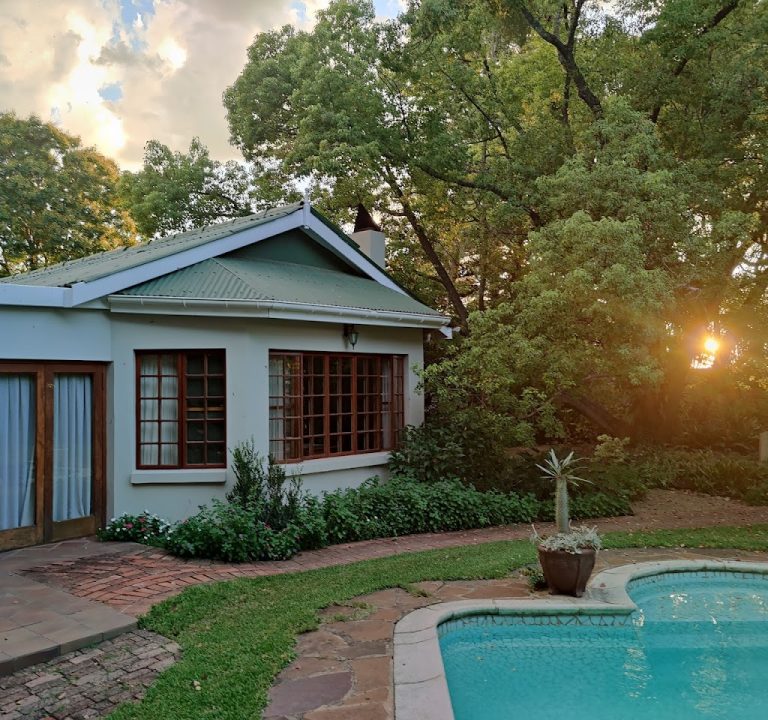
Typical amenities you may encounter include fully equipped kitchens or kitchenettes, comfortable living spaces, private outdoor areas, and sometimes pool facilities or shaded outdoor seating. Some properties offer guided activities or help arranging safaris, horseback experiences, or coastal excursions. When planning a family‑friendly stay, look for child‑safe spaces, flexible meal options, and easy access to outdoor spaces where kids can roam safely under supervision.
Transport and getting around is straightforward for most visitors. A self‑drive holiday is common, and many accommodation providers can offer practical tips for road routes, local lanes, and gate opening times for the park. If you’re not driving, buses and organised tours can connect you to the main sights, while some places can arrange transfers from nearby towns or regional airports. If you are combining Addo with a wider South African itinerary, you may be able to fly into Port Elizabeth (nearby larger city) and hire a vehicle for the journey to Addo. Bear in mind that some stretches of road near the park can be quiet and rural, so plan fuel stops and supplies accordingly.
The best time to visit Addo depends on what you want to experience. The cooler, drier winter months (May to August) can offer excellent wildlife viewing as animals congregate around water. Spring and summer bring longer days and lush scenery, with the potential for variable afternoon showers. For coastal excursions, milder sea breezes and pleasant temperatures are common in spring and autumn. If you’re visiting with a focus on birdlife, spring and early summer typically provide active migratory species and a broader backdrop of colours in the landscape.
Eating out in Addo is characterised by simple, hearty fare and convivial hospitality. Expect a mix of rustic eateries and handfuls of fine‑dining‑style establishments in nearby towns. Many guesthouses and lodges emphasise locally sourced ingredients and seasonal dishes, often with room‑for‑sharing plates that are ideal for groups. When you’re not dining on site, ask locally for recommendations on family‑friendly cafés, rural eateries with a view, and traditional South African bar and grill venues. It is common to pay attention to hydration and sun protection when out and about, especially during peak daylight hours on safaris or coastal walks.
Sample day plans to inspire your stay:
- Morning wildlife drive or guided walk in Addo Elephant National Park, followed by a relaxed brunch at your accommodation.
- Mid‑afternoon coastal excursion to a nearby seaside area, with a sunset view over the water and a seafood‑themed dinner back at your base.
- Day trip to a local craft market or farm stall, then an evening of stargazing on clear nights at a lodge with minimal light pollution.
Practical tips for a smooth visit
- Book in advance during peak seasons and school holidays to secure the best cabin or room type.
- Check gate opening times for the park and plan morning drives to avoid the heat of the day.
- Pack layers for variable weather, sun protection for day trips, and comfortable footwear for walking or trails.
- Respect wildlife, keep a safe distance, and follow park guidelines at all times.
- Consider a mix of accommodation types to balance convenience, cost and experience.
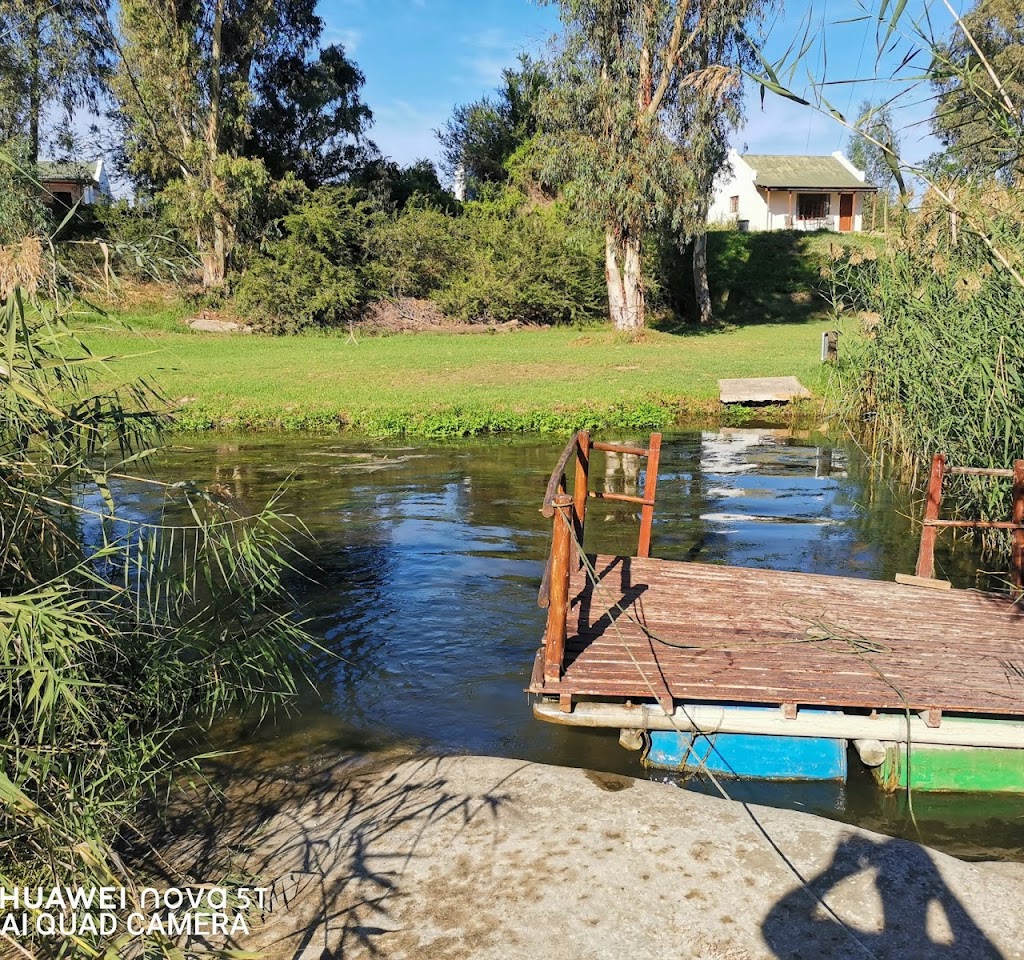
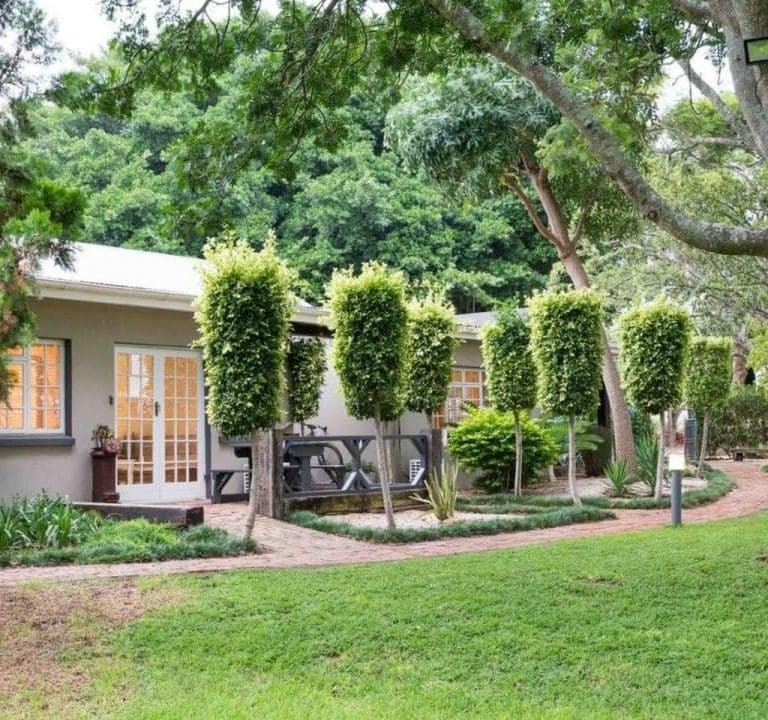
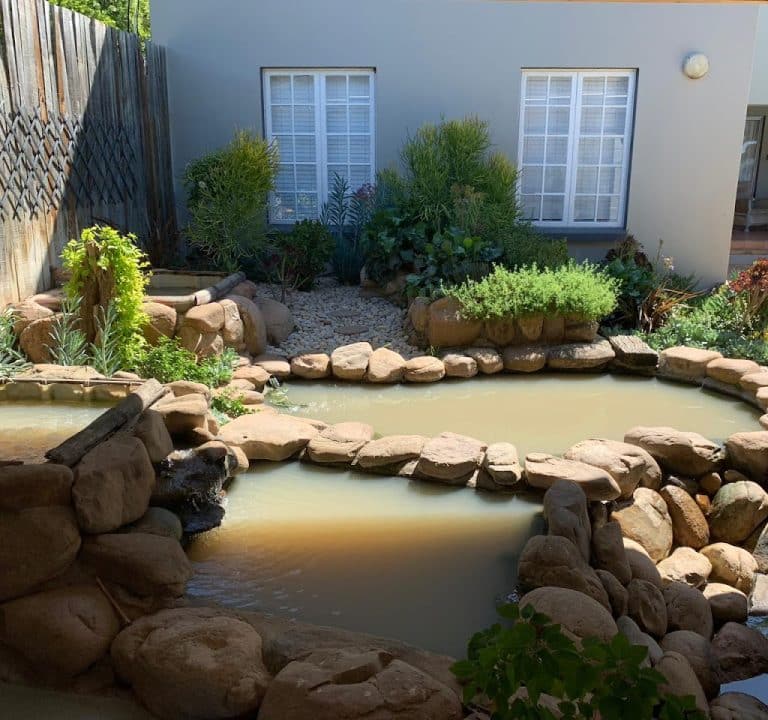
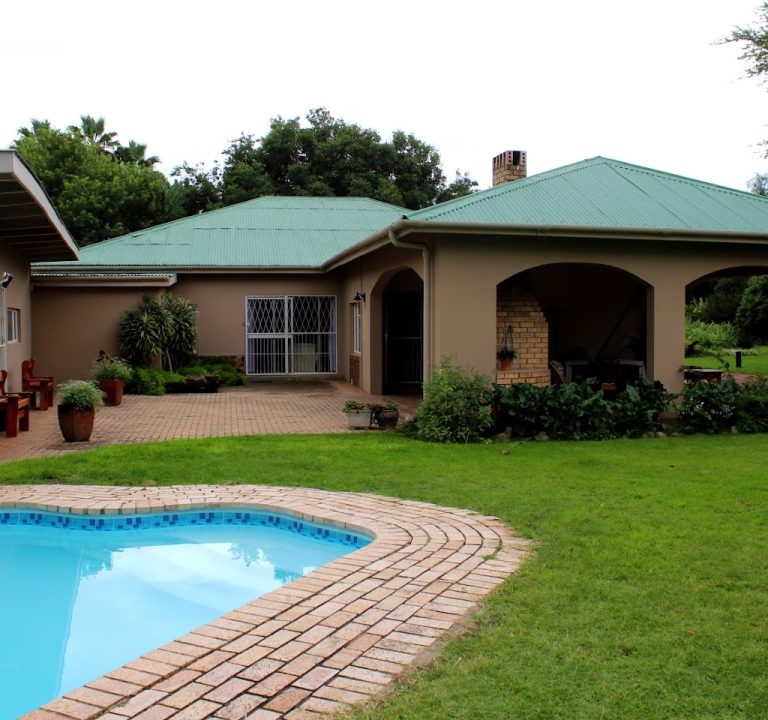
Riversong Cottages exemplifies the region’s appeal for self‑catering travellers seeking a relaxed, home‑from‑home atmosphere. It sits within the broader Addo area where guests can enjoy private facilities, kitchen amenities and easy access to nature experiences. Whether you choose a tranquil rural retreat or a lodge with on‑site activities, Addo rewards guests with generous skies, open spaces and a sense of uncomplicated, welcoming South African hospitality. For planning, keep a flexible itinerary, a sensible budget, and a focus on enjoying both wildlife and coastal scenery, and you’ll leave with lasting memories of this eastern corner of the Eastern Cape.