Accommodation and experiences in Addo, Eastern Cape: planning a memorable stay
Addo, in the Eastern Cape of South Africa, offers a relaxed base from which to explore one of the country’s wildlife-rich regions. With close proximity to Addo Elephant National Park and easy access to coastal and rural landscapes, the area suits travellers seeking self-catering retreats, guesthouses, lodges and family-friendly stays. When planning a visit, consider how you want to balance wildlife time with beach days, culinary exploration and local culture, and choose a neighbourhood that aligns with your preferred pace and transport arrangements.
Areas to consider for accommodation include the gateway towns near the park, such as Addo itself and surrounding communities. Central Addo often provides a convenient mix of self-catering options and guesthouse stays, while surrounding villages can offer quieter, rural settings with easier access to scenic drives, forests, and wildlife-viewing opportunities. If you want closer proximity to beaches and coastal scenery, it’s worth extending your search to nearby coastal towns along the Eastern Cape’s scenic routes. When choosing a listing, look for easy access to the reserve gates, quiet streets, parking facilities, and a comfortable living space that suits your group size and travel style.
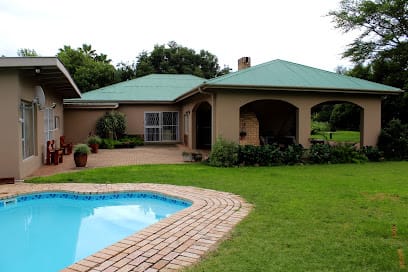
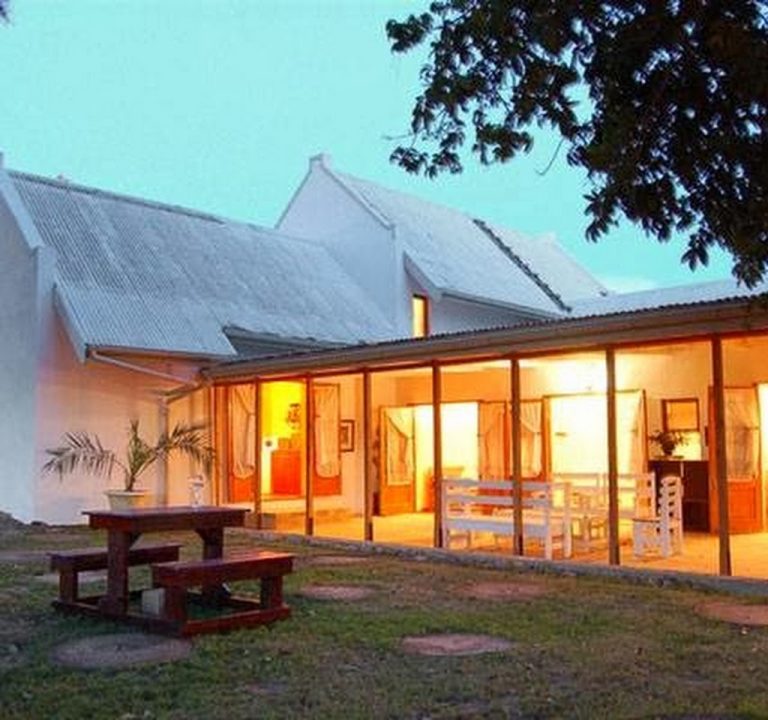
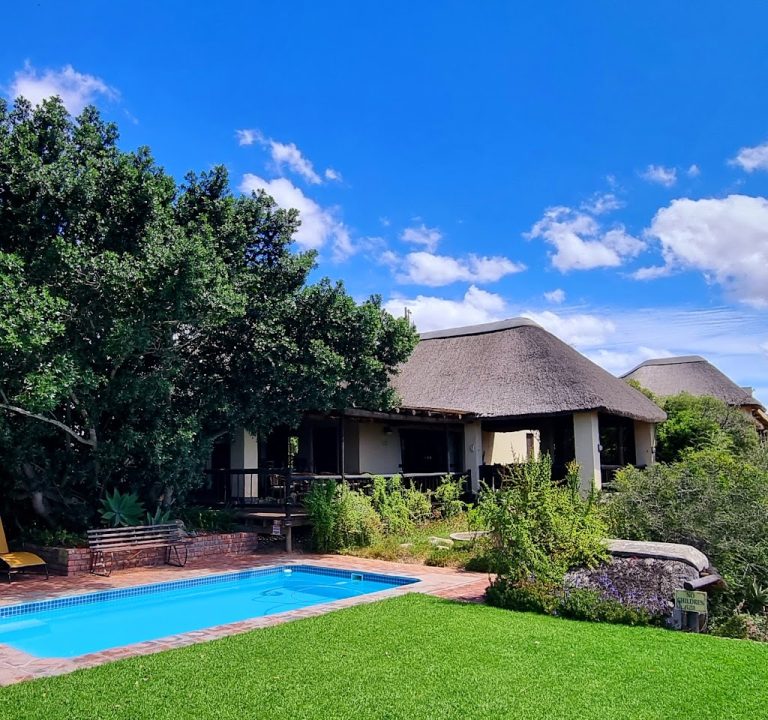
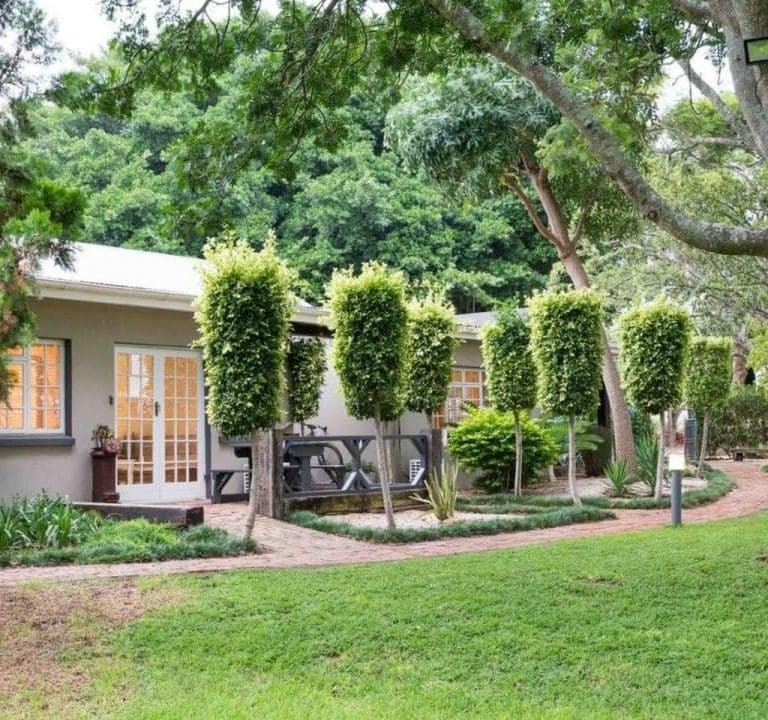
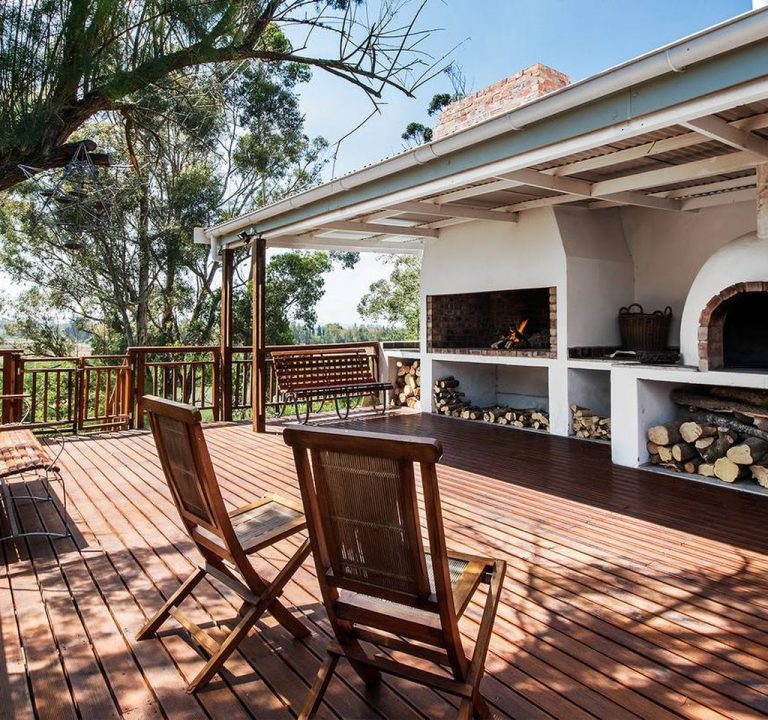
Typical amenities in Addo accommodation range from fully equipped kitchens and private braai (barbecue) areas to outdoor seating, laundry facilities, and friendly local guidance. Self-catering places may provide stocked kitchens with basic cooking essentials, while guesthouses and lodges often include daily cleaning, Wi‑Fi, and on-site hosts who can help tailor your itinerary. If you’re travelling with children or guests with mobility needs, check that the property offers suitable sleeping arrangements, safe outdoor space, and proximity to activities with gentle walking or short drives between venues.
Transport and getting around are central to a smooth stay. A car is usually the most convenient way to explore the region, giving you the freedom to reach park gates, coastal viewpoints, and rural eateries at your own pace. Public transport options are more limited, so travellers who don’t drive may want to align their itinerary with guided activities or hire services. When booking, verify parking availability, quiet hours, and whether transfers or guided drives can be arranged through the accommodation or a trusted local operator.
Best time to visit Addo depends on what you want from your trip. The dry winter months (roughly May to September) are excellent for wildlife viewing as animals congregate around water sources, and the days are usually sunny with cooler mornings and evenings. Summer (October to April) brings warmer weather and lush landscapes, but insects and heat can be more pronounced. Shoulder seasons can offer a balance of pleasant weather and comfortable crowds. If you’re planning a park visit, check the park’s gate hours and plan a couple of early starts for wildlife sightings, followed by relaxed afternoons at your base or nearby attractions.
Practical tips to make the most of your stay:
- Book early if travelling in peak school holiday periods or rural exchange seasons, as popular self-catering properties and lodges can fill quickly.
- Ask hosts about nearby dining options, markets, and safe walking routes, especially if you prefer to dine out and then return to a comfortable, well-equipped kitchen.
- Pack for varied conditions: layers for cool mornings and evenings, sun protection for daytime, and insect repellent for evenings outdoors.
- Check cancellation policies and clarify what is included in the booking (linen, towels, house rules, and on-site facilities).
- Consider a mix of activities: a morning wildlife excursion, a day out along coastal routes, and an evening at a nearby restaurant or fire pit back at your accommodation.
Attractions in and around Addo are naturally wildlife and scenery focused, with the nearby national park offering a range of self-guided drives and guided safaris. Beyond the park, the coastline provides opportunities for scenic beaches and freshwater lagoons, while rural routes showcase farming landscapes, birdlife, and local craft possibilities. When it comes to meals out, many travellers enjoy restaurants and eateries that emphasise hospitality, seasonal produce, and regional flavours, without relying on extravagant claims. A well‑chosen restaurant or café can be a relaxing stop between your day’s activities, offering a chance to unwind and sample local fare in a friendly setting.
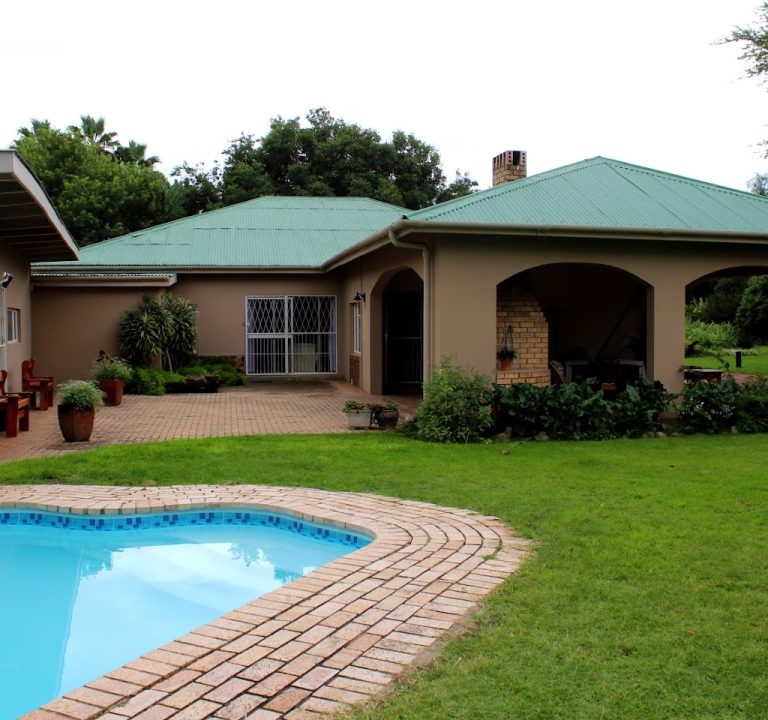
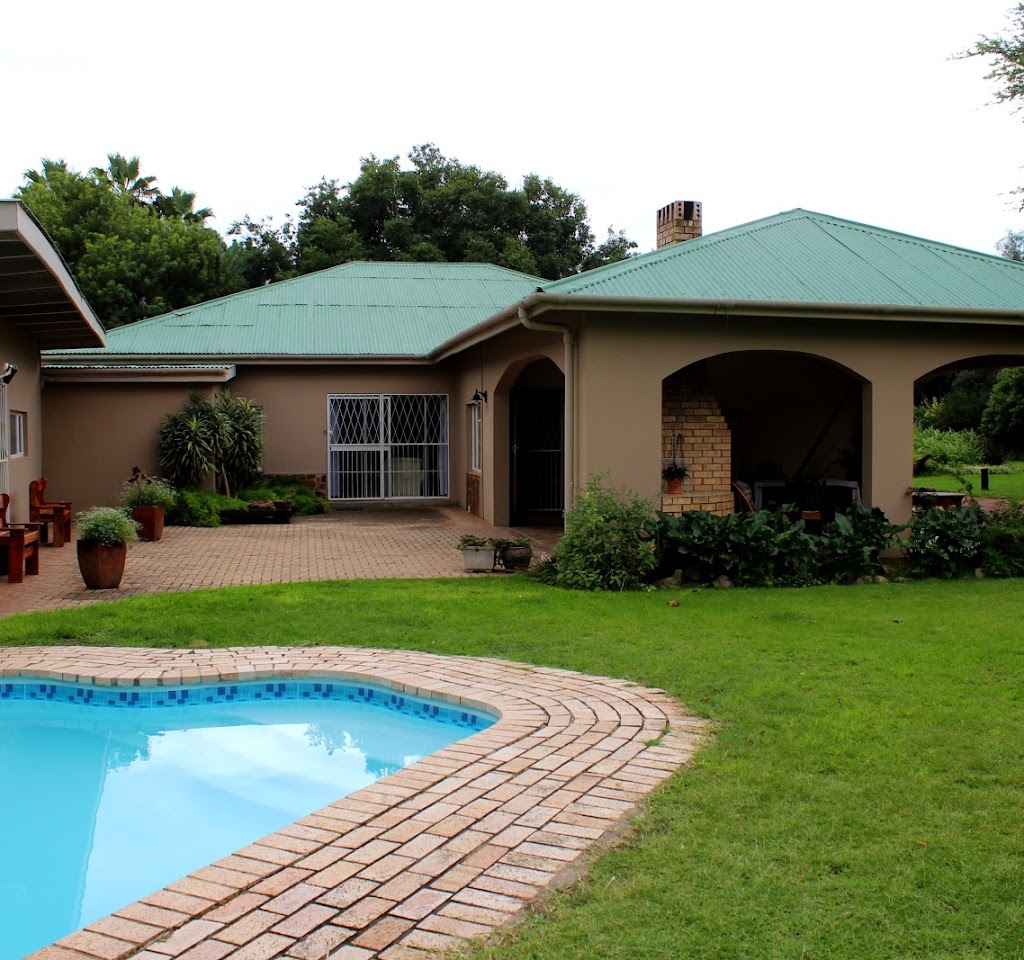
For accommodation, consider a self-catering option such as Bietjie Rus accommodation or similar listings when you value independence and the flexibility to cook your own meals. Look for properties that provide clear directions, a comfortable living area, adequate cooking facilities, and a sense of place—whether you’re surrounded by bushveld, farmstead, or a coastal backdrop. If you’re seeking guidance, many hosts are happy to share personalised itineraries, including wildlife drives, scenic drives, and suggestions for family-friendly activities.
Accessible online resources can help you compare options, read recent guest reviews, and verify location relative to the Addo Elephant National Park and other points of interest. Useful links may include official tourism sites and accommodation platforms that list self-catering homes, guesthouses, and lodges with practical details. By planning with a clear idea of the area you want to stay in, the facilities you need, and the sorts of activities you want to pursue, you’ll arrive in Addo ready to enjoy a balanced mix of wildlife encounters, coastal beauty, comfortable accommodation, and hospitality in a relaxed Eastern Cape setting.