Accommodation and attractions in Addo, Eastern Cape
Addo on the eastern edge of the Eastern Cape is a rural haven where the big skies, pine forests and rolling plains meet one of South Africa’s most famous wildlife encounters. Visitors typically base themselves near the Addo region to balance early-mavouring game drives with relaxed evenings and easy access to local eateries. The area offers a range of stays from intimate guesthouses to lodge-style hotels, many set close to nature reserves or just a short drive from town amenities. When planning a trip, think about the balance between wildlife time, comfortable rest and convenient access to the gateways that lead into the surrounding landscapes.
Accommodation in Addo tends to cluster around a few key hubs. If you want serenely close to the wilderness, look for options near the park gates or in smaller rural settlements where hosts emphasise comfort, breakfast buffets and doors that greet you with a warm, home-grown welcome. For a more contemporary stay, lodge-style properties in the vicinity offer ensuite rooms, private decks and guided activity arrangements. Family-friendly properties often feature larger suites, safe outdoor spaces for children and hosts who can arrange kid-friendly wildlife experiences or nature walks. Whichever you choose, most places in Addo offer essentials such as secure parking, wifi, and on-site parking, with host recommendations for day trips and local dining.
When evaluating where to stay, consider the following aspects:
- Location and access: Proximity to Addo Elephant National Park or other natural areas can save driving time for dawn and dusk safaris. Some properties provide transfers or guided drives, which can be a bonus for first-time visitors.
- Room types and amenities: Ensuite bathrooms, air conditioning or ventilation, and options for self-catering or full-board meals can influence your daily rhythm, especially in warmer months.
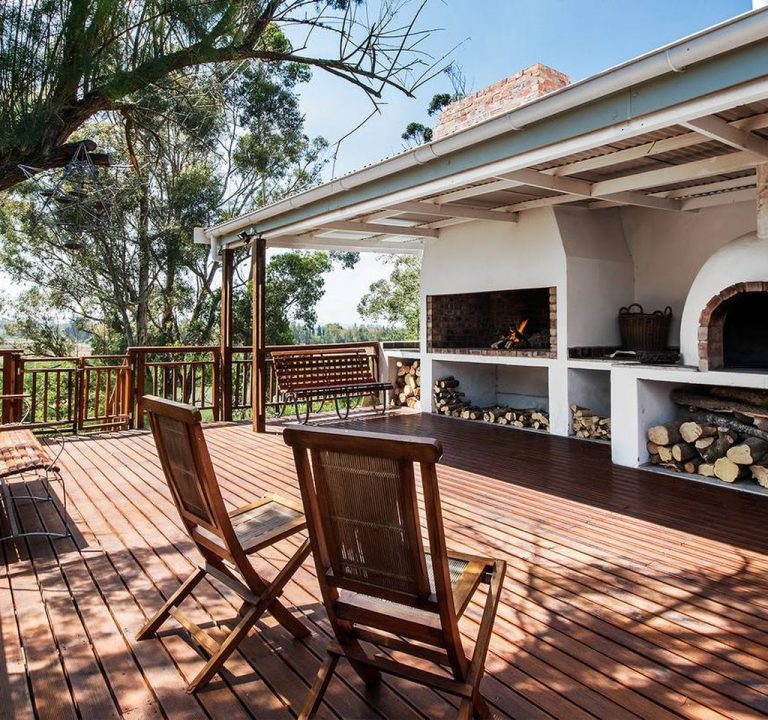
- Outdoor spaces: Decks, verandahs, and garden areas are particularly appealing for relaxed mornings and evening stargazing after safari days.
- Eco practices: Many properties in Addo highlight sustainable practices, from water-saving measures to bush-friendly lighting and responsible wildlife policies. If this matters to you, ask about energy use and wildlife etiquette guidance.
- Access to guided activities: Availability of supervised game drives, birdwatching treks, or nature walks can enrich your stay, particularly for first-time visitors or families.
Best time to visit Addo depends on what you want to see and experience. The cooler, drier winter months (roughly May to August) are popular for clearer wildlife viewing as animals congregate around water sources. Spring and autumn bring milder days and good light for photography, while the summer rainy season can produce lush scenery and occasional afternoon showers. For birdwatchers, certain migratory patterns can offer rewarding sightings at different times of the year. Regardless of season, mornings and late afternoons are typically prime for wildlife viewing, with quieter roads and calmer conditions in the early hours.
Getting around Addo is straightforward for most travellers. A rental car is the most practical option, giving you flexibility to explore the reserve gates, local farms and small towns at your own pace. Some properties offer shuttle services or guided outings; these can be convenient if you want to optimise your time. If you’re planning longer day trips, a map and a navigation app are invaluable, especially on less travelled routes. For those staying near the park, it’s wise to factor in the time needed to reach gate openings and take your return drive before dusk, when wildlife activity tends to increase along the roads.
Dining in Addo ranges from casual bistro-style eateries to countryside dining rooms that showcase South African flavours with homely touches. Many guesthouses and lodges include meals or have recommended options where guests can sample regional dishes and farm-to-table ingredients. If you plan to self-cater, you’ll find well-stocked shops in the larger towns nearby, combining convenience with the chance to prepare simple, hearty meals after day trips in the reserve or along the coast.
Top activities to consider during your stay include guided safaris or self-driven game drives in nearby reserves, guided nature walks, birdwatching and photography sessions, and visits to nearby towns where you can learn more about local heritage and crafts. Depending on the season, some properties may offer special experiences such as sunrise drives, night drives, or forest walks that reveal a different side of the region’s wildlife and landscapes. To maximise your time, plan a balanced itinerary with one or two wildlife-focused mornings, a day of exploration by road, and a restful, scenery-filled afternoon back at your accommodation.
As a practical note, always check the terms of your stay regarding peak season bookings, cancellation policies, and any park entry requirements. If you’re visiting Addo Elephant National Park, plan your park day around gate opening times, weather forecasts and feeding times if relevant. For further inspiration and practical tips, local tourism resources and official park information can be a helpful daily reference during your trip. See more about Addo and the surrounding region at reputable tourism and park sites, which provide current site-specific guidance and safety considerations.
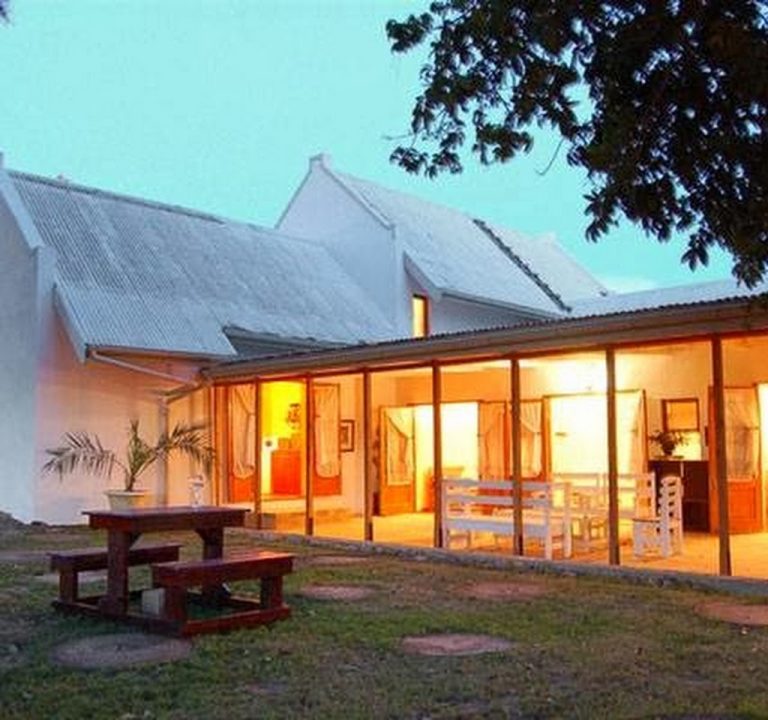
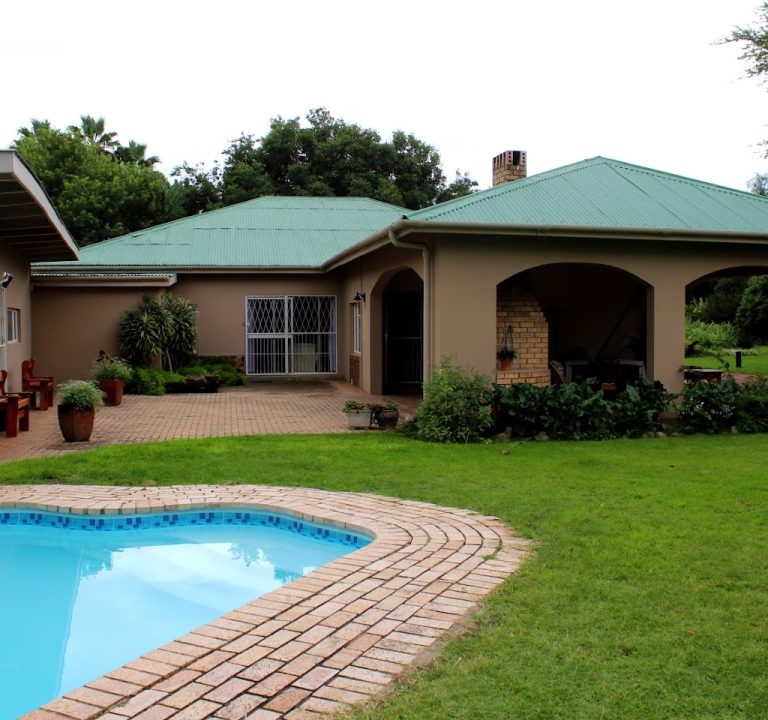
Belmont Country Guest House, a traditional option in the area, illustrates the kind of friendly, mid-range stay that can anchor a relaxed Addo itinerary. It offers a gateway experience for travellers seeking comfortable rooms, straightforward facilities and local insights from hosts who know the routes, parks and eateries well. Whether you’re here to chase the plains of the reserve or to enjoy a quiet country retreat, Addo’s blend of wildlife, landscapes and hospitality makes for a memorable South African escape. For more details on park planning and regional stays, visit the park’s official pages and regional tourism information.