Accommodation and planning a stay in Addo, Eastern Cape
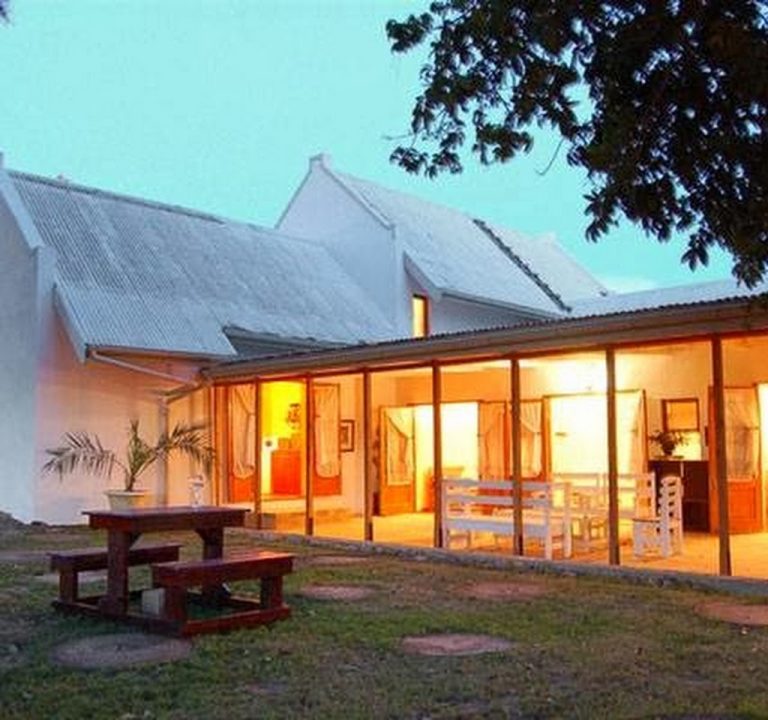
Bordering the malaria-free Addo Elephant National Park, Addo’s White House sits within a region that blends accessible wildlife experiences with relaxed, self-catering comfort. For travellers seeking a base that blends easy access to nature with practical home-from-home features, this area offers a range of options from characterful guesthouses to self-catering retreats. When planning a visit, consider not only where you’ll sleep but how you’ll move, shop, and structure your days around the wildlife, scenery and local culture.
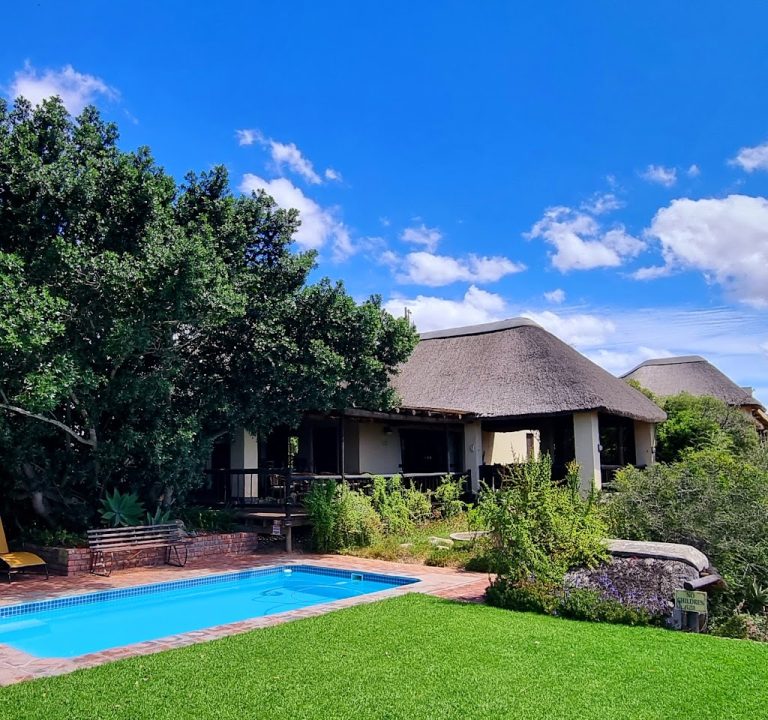
Areas to consider when choosing where to stay include proximity to the main park entrances, supermarkets and fuel, and the character of the village or rural setting. The Addo region spans rolling plains, riverine habitats and, in coastal-adjacent pockets, peaceful shoreline routes. If you want immediate access to game drives and wildlife viewing, a lodge or guesthouse near the park’s gates can minimise transfer times. If you prefer a quieter, more private feel, self-catering homes or cottages set back from the tourist trails provide space for families or groups to relax between day trips.
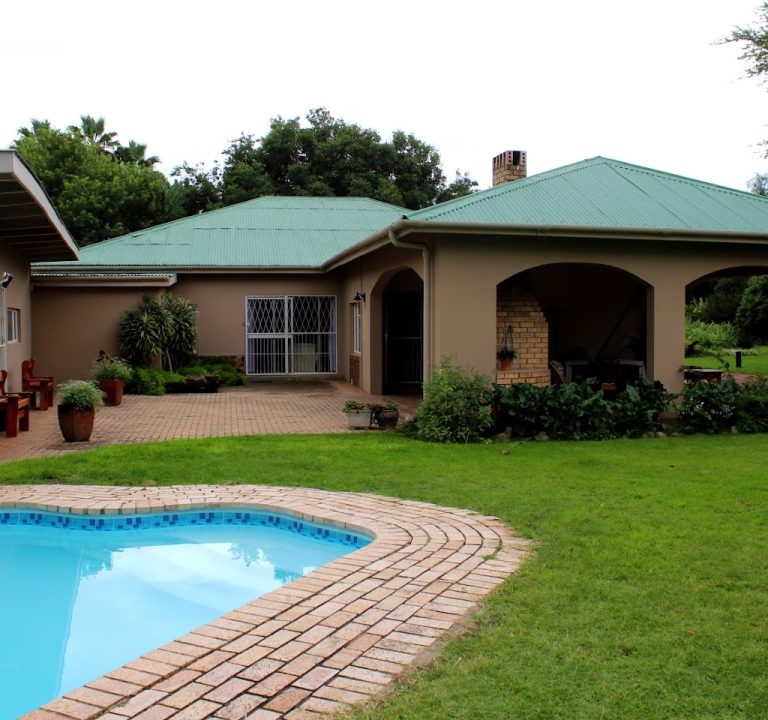
Typical amenities to look for in Addo accommodation include self-catering kitchens or kitchenettes, comfortable living areas, private or shared outdoor spaces, reliable Wi-Fi, and on-site parking. For self-catering options such as Addo’s White House, features might include well-equipped kitchens, outdoor dining spaces, barbecue facilities, and laundry access. Solar power or water-efficient infrastructure becomes increasingly common in rural South Africa and can be a practical consideration for those planning longer stays. Check whether air conditioning or fans are available during warmer months, and confirm bed configurations to match your party size.
Transport is a key planning factor. The region is best explored by car, giving you freedom to reach wildlife areas, trails, viewpoints and nearby towns at your own pace. If you arrive via air travel to Port Elizabeth or nearby airstrips, you’ll likely hire a car for the journey to Addo. Road conditions are generally good, but a 4x4 is not usually required for the main routes; however, one can be helpful if venturing onto rougher rural tracks or near lodge venues. When booking self-catering stays, consider how you’ll shop for groceries and meals. Some properties offer shopping pre-stocks or guest services, while others encourage guests to self-cater as a means to unwind fully after days spent outdoors.
Best time to visit Addo varies with interests. The winter months (May to August) bring cooler days and excellent wildlife visibility as animals congregate around water. The summer season (October to February) offers lush landscapes and warm, sometimes humid days, with late-afternoon thunderstorms possible. Spring and autumn can strike a balance between decent weather and quieter periods, depending on school holidays and regional events. If you plan early-morning or late-afternoon safaris or nature walks, seasonal light and temperatures will influence packing and daily itineraries.
Practical planning tips to help you enjoy a relaxed stay:
- Pack layers and versatile clothing for variable Cape weather, including sun protection and comfortable walking shoes.
- Book wildlife experiences and guided walks in advance where possible, especially during peak travel periods.
- Bring a reusable water bottle and plan refill options in villages to minimise plastic usage.
- Check your accommodation’s policies on generators or power usage if you are staying in off-grid settings.
- Prepare a simple shopping list for self-catering stays, including fresh produce and dairy, with a plan for groceries on arrival day.
When it comes to attractions, Addo’s White House and nearby self-catering properties provide a convenient base for exploring regional highlights. The area around Addo offers wildlife-viewing opportunities both within the famous national park and in neighbouring conservancies, where guided drives, nature walks and birdwatching can be arranged. For a broader day out, consider coastal routes to nearby towns and riverine spots where it’s possible to observe local flora and fauna along scenic drives. Visitors should also anticipate moments of relaxation: long verandas, outdoor dining spaces and peaceful garden settings can be perfect after a day spent outdoors.
Dining options in and around Addo tend to favour uncomplicated, hearty meals that reflect regional farming and seafood influences. In general terms, expect casual eateries and cafés that prioritise fresh, locally sourced ingredients. Many accommodation providers offer guest kitchens or continental breakfast options, with convenient access to nearby town centres for lunches and dinners. If you’re seeking a more social dining experience, ask your hosts for recommendations on local markets or informal eateries where you can sample regional dishes and produce without needing a strict itinerary.
In summary, Addo provides a flexible mix of self-catering retreats and country-style guesthouses within reach of one of South Africa’s premier wildlife reserves. By choosing a location that suits your planned pace—whether close to the park for early morning safaris or in a tranquil rural setting for quiet evenings—you can craft a balanced itinerary that makes the most of wildlife, scenery and relaxed South African hospitality. Plan ahead, keep practical essentials in mind, and you’ll enjoy a comfortable, enriching stay in this enduringly beautiful part of the Eastern Cape.