Discover Addo: Where to Stay and What to Do in the Eastern Cape
Addo in the Eastern Cape offers a charming mix of wildlife encounters, riverine scenery and relaxed farmstead hospitality. Whether you favour a bush-side lodge, a family-friendly campsite or a cosy guesthouse in a nearby village, this region provides comfortable bases from which to explore one of South Africa’s most celebrated landscapes. The primary draw is, of course, the wildlife and the easy access to nature reserves, but the area also rewards visitors with scenic drives, approachable dining options and warm, hospitable service at a range of accommodation types. A practical starting point is to consider areas around Addo itself, the nearby township and the rural routes that connect guesthouses, campsites and small hotels with the coast and the forested hinterland.
Where you stay shapes your daily rhythm. In Addo, you’ll find options from dedicated campgrounds and holiday resorts to smaller guesthouses tucked along quiet rural roads. If you favour a rustic, nature-forward experience, look for sites with river or woodland access, clear outdoor spaces, and a simple but well-maintained communal area. For a more relaxed itinerary, family-run guesthouses or small boutique hotels near the village provide comfortable rooms, friendly hosts and easy access to local eateries. A well-run lodge or resort might offer on-site dining, guided drives, and organised safaris, which can simplify planning for first-time visitors.
Practical planning tips to consider when booking:
- Location and access: Proximity to Addo Elephant National Park or other wildlife areas is a major factor. Check whether the property is within a short drive to park gates, or if it sits along quieter rural roads that may require a vehicle with good clearance.
- Self-catering vs. full board: Decide if you want kitchen facilities for flexibility, or prefer a dining option on-site or nearby in the village.
- Room configuration and amenities: Look for family rooms or interconnecting options if you’re travelling with children. Confirm air conditioning or fans for the warmer months and reliable hot water.
- Safety and security: In remote areas, check lighting, boundary security, and on-site personnel who can assist with safaris or local recommendations.
- Transport needs: A car is usually essential for exploring Addo and the surrounding countryside. If you’re flying into Port Elizabeth or another hub, consider arranging airport transfers or car hire in advance.
Typical amenities in Addo’s accommodation options include comfortable beds, clean en-suite bathrooms, private verandas or outside spaces, and easy access to outdoor living. Many properties offer basic kitchen facilities, communal braai or barbecue areas, and shaded outdoor seating for relaxed evenings under the stars. Depending on the season, you may also find pools, outdoor showers, or spa-like spaces for post-safari unwinding. For guests with mobility considerations, filter for ground-floor rooms or properties with accessible facilities to ensure a smooth stay.
Best time to visit Addo blends wildlife viewing with seasonal comfort. The dry winter months (roughly May to September) often bring animals to water sources and create excellent viewing conditions, while the warmer summer period (November through February) offers lush landscapes and balmy evenings—perfect for sundowners after a day spent outdoors. If you’re keen on birdwatching or plant life, shoulder seasons can offer quieter parks and reduced crowds. When planning a trip, check local weather patterns and park opening times, and bear in mind that conditions can influence road access and activity availability.
Getting around and how to plan daily itineraries is straightforward with a car. A self-drive approach gives you flexibility to explore Addo’s surrounding towns and attractions at your own pace. For those who prefer a guided experience, many lodges and guesthouses organise morning or late-afternoon safaris and nature walks, sometimes combining a river cruise or a bush-style stroll. Consider pairing your wildlife days with lighter activities such as scenic drives along rural routes, visits to nearby farms, or short walks by the river banks. Dining options can range from rustic meals in a communal setting to more refined menus at boutique establishments—many places champion local produce and a relaxed, farm-to-table ethos.
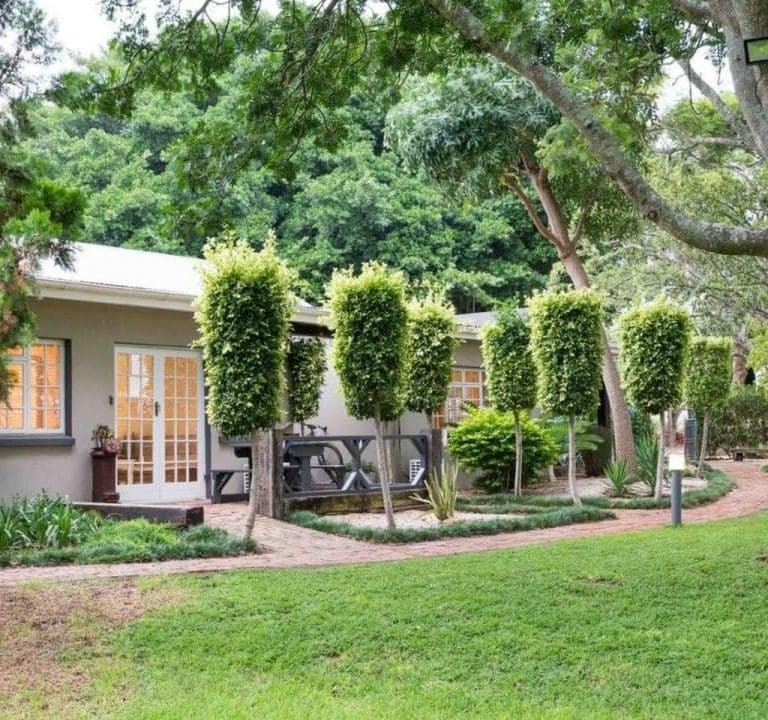
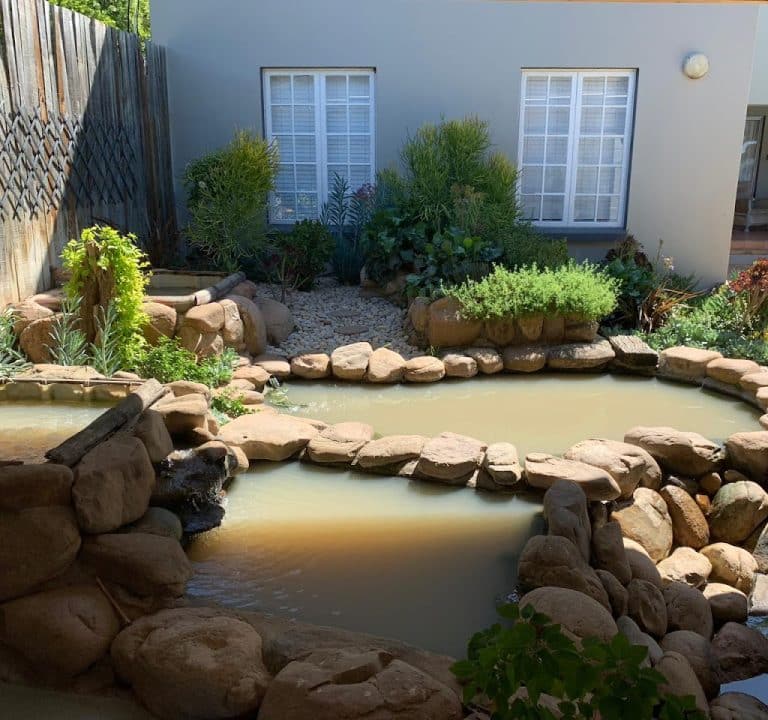
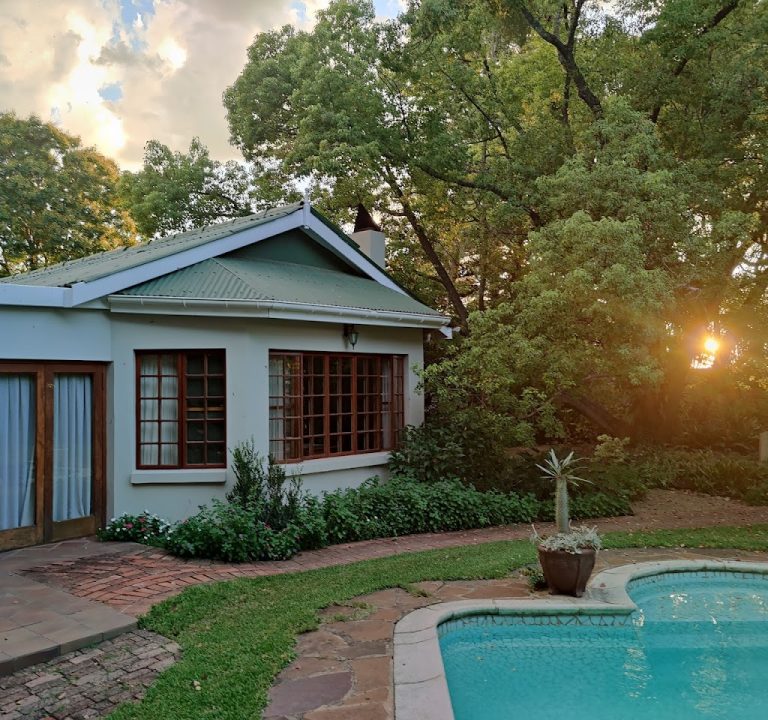
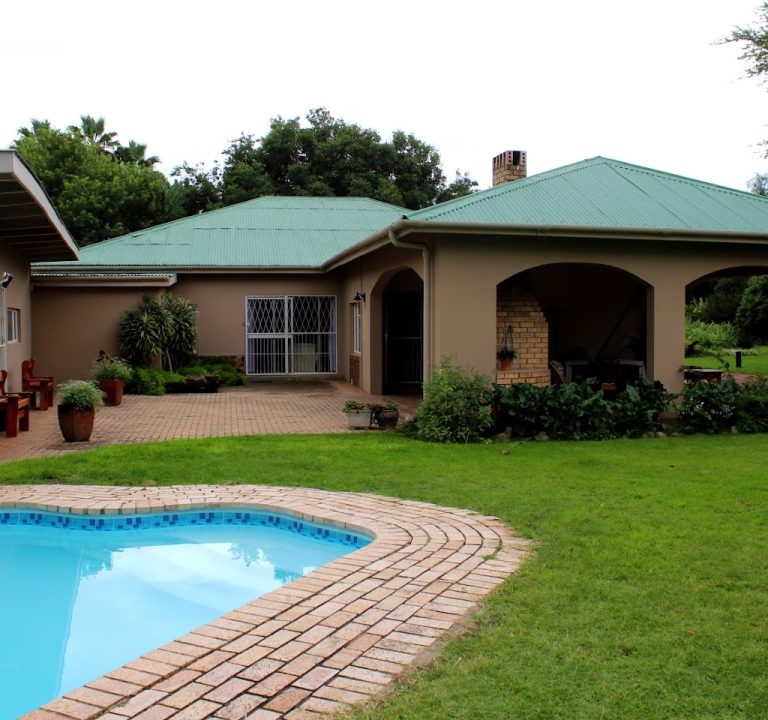
For accommodation examples, Avoca River Cabins offers a good illustration of the region’s appeal. This site combines camping, holiday accommodation and resort-style facilities in a countryside setting near Addo. It presents a straightforward base from which to enjoy river views, outdoor activities, and easy day trips into the surrounding landscape. You can learn more about this option at their website: Avoca River Cabins.
Eating out in the Addo area tends to emphasise fresh, seasonal ingredients with a focus on warm hospitality and hearty, honest cooking. When searching for places to eat, look for informal cafés and family-run eateries alongside the occasional more polished venue within larger lodges or guesthouses. Expect comforting dishes, generous portions and the chance to sample local favourites such as veldt-grown greens, game-inspired dishes, and seafood highlights when you’re close to the coast. Even if you plan a basic self-catering stay, you’ll still have opportunities to enjoy a leisurely breakfast or a sunset drink at your accommodation or at a nearby restaurant with a relaxed, friendly vibe.
In sum, Addo offers accessible, varied options for a practical and enjoyable stay in the Eastern Cape. By choosing the right area, clarifying your accommodation priorities, and balancing wildlife experiences with time for rest and enjoyment, you’ll craft a memorable visit to one of South Africa’s most welcoming and wildlife-rich regions.