Stellenbosch Stay: Accommodation, Planning and Local Experiences
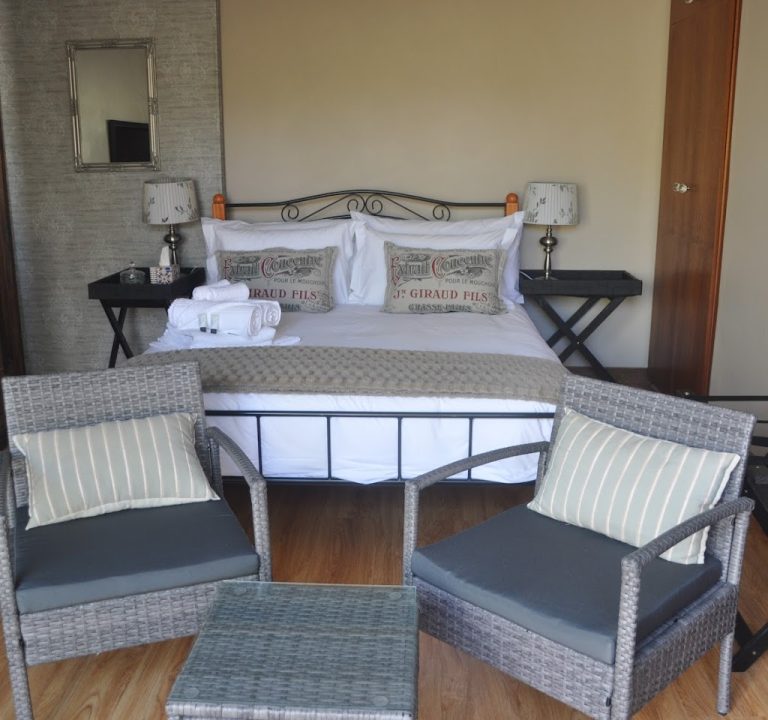
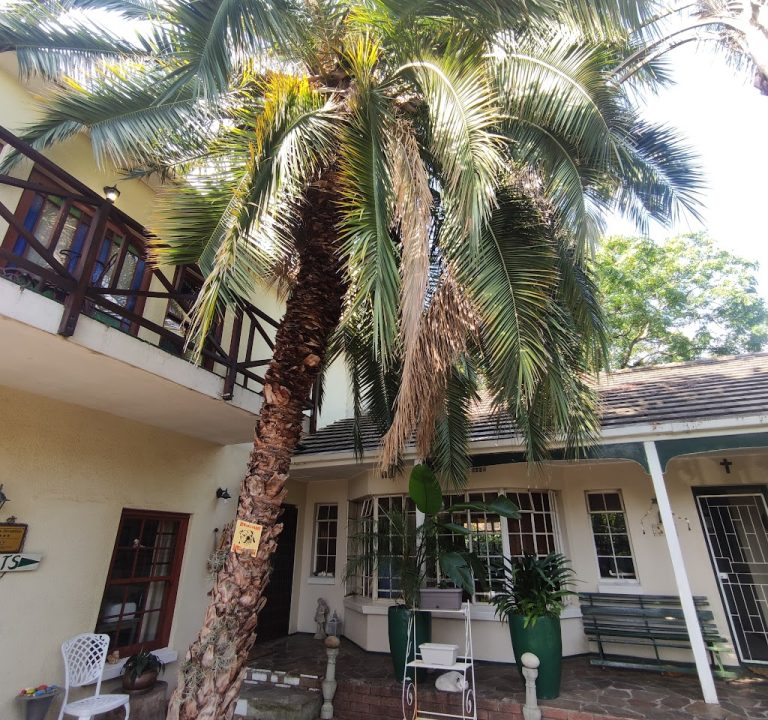
Stellenbosch, in the Western Cape, blends historic charm with world‑class wine and scenery. Whether you prefer a cosy guest house on a leafy street, a modern boutique hotel tucked into a wine estate, or a welcoming bed and breakfast near the centre of town, there are options to suit most tastes and budgets. For visitors staying at a place such as Red Cottage, a warmly run guest house, it is useful to think about what makes a stay convenient and relaxing in this university town that sits at the heart of the Cape’s renowned winelands.
Areas to consider when planning your stay. The town centre is ideal if you want to stroll to shops, cafés and museums, and to be within easy reach of the historic architecture along Dorp Street. A short drive or ride can bring you to winelands estates, scenic drives, and hillside viewpoints. For those seeking quiet courtyards and a slower pace, the neighbourhoods near wine estates or along tree‑lined lanes offer a more tranquil base, with easy access to countryside walks and vineyard trails. Think about proximity to the town’s central square, whether you prefer easy dining options nearby, or a more secluded setting with a private garden or pool.
What to look for when booking. Consider the following when you search for accommodation in Stellenbosch:
- En-suite bathrooms and private entrances for comfort and privacy.
- Complimentary breakfast or the option for a self‑catering setup if you value flexibility.
- Wi‑Fi reliability, parking arrangements, and whether the property is walkable to town or requires transport.
- Amenities such as a pool, garden spaces, outdoor seating, and safe storage for bicycles or golf gear.
- Access to knowledgeable hosts who can offer local tips on wine estates, restaurants, and must‑see landscapes.
Typical amenities and practicalities to expect. In Stellenbosch, many guest houses and boutique hotels aim to reflect the town’s character: warm welcome, stylish yet comfortable interiors, and a sense of place. Rooms often feature a mix of contemporary comforts and period details, with options ranging from compact doubles to spacious suites. Breakfast may range from a simple continental spread to a hearty, house‑made offering. Some properties provide private terraces or courtyards, well‑tended gardens, and a pool for cooling off after a day out in the countryside. Important practicalities include clear cancellation policies, nearby parking, and staff who can arrange transfers, tours, or restaurant reservations.
Transport and getting around. The most convenient way to explore Stellenbosch and the surrounding winelands is usually by car, giving you the freedom to visit multiple estates, markets, and viewpoints at your own pace. If you prefer not to drive, you can rely on taxi services or ride‑hailing apps, and many vineyards offer shuttle arrangements or guided wine tours that include transport. From Cape Town International Airport, a typical transfer takes about an hour, depending on traffic. In town, you’ll find compact streets that are pleasant to explore on foot, with several eateries and shops within easy walking distance of central accommodation.
Best time to visit and seasonal considerations. Spring (September to November) and autumn (March to May) are especially appealing in Stellenbosch, offering mild temperatures, vibrant scenery, and excellent conditions for vineyard visits. Summer brings longer days and bustling activity, with outdoor dining and events, but it can be busy during school holidays. Winter offers quiet charm and the chance to experience cosy guest houses with fireplaces or heating, though outdoor activities are more reliant on the milder Cape weather. If your visit revolves around wine tasting, scheduling in the harvest and early autumn can provide lively vintner experiences, subject to seasonal variations.
Attractions and experiences to plan around. Beyond wine tastings, Stellenbosch offers a blend of cultural and natural attractions. You can expect to explore historic streets, University of Stellenbosch heritage, leafy parks, and botanical spaces. Nearby nature reserves and trails invite gentle hikes, birdwatching, and scenic photography. For a relaxed lunch or dinner, you’ll find a range of eateries offering Cape flavours, modern bistro fare, and international dishes. While specific venues may vary, look for places that present seasonal ingredients, regional wines, and attentive service to complement your day out in the winelands.
Practical tips for an enjoyable stay. Book well in advance during peak seasons, especially if you have a preferred neighbourhood or a particular style of accommodation. Read guest reviews to learn about the consistency of cleaning, attentiveness of hosts, and the accuracy of descriptions. Check whether the property offers easy access to the town’s main attractions, or if you’ll need a vehicle for day trips. Pack comfortable walking shoes for town streets and winery paths, a light layer for cooler evenings, and a flexible itinerary that allows time for spontaneous discoveries—be it a wine tasting, a walk through a historic lane, or a relaxed meal with a view.
For planning resources, consider visiting official tourism sites for Stellenbosch and the Western Cape, where you can find guidance on vineyard routes, family‑friendly activities, and seasonal events. Websites of individual guest houses or estates typically provide the most current information about accommodation specifications, on‑site facilities, and local recommendations. If you are researching a stay at Red Cottage, you can expect a warm, intimate setting designed to help you enjoy the best of Stellenbosch while feeling at home.