Stellenbosch Stay: Accommodation, Attractions and Practical Tips for Visitors
Stellenbosch, in the Western Cape of South Africa, offers a compelling mix of historic charm, vine-clad hills, and modern conveniences. Whether you’re drawn to wine-tasting routes, stone-pilled streets of the town centre, or easy access to nature reserves, planning a comfortable stay helps you make the most of every day. A range of guest houses, boutique hotels and self-catering options provide varying levels of comfort, personal service and value, often within easy reach of Stellenbosch’s main sights.
When selecting accommodation, consider the area and how you plan to move around. The town centre is compact and walkable, with many guest houses and inns tucked in leafy streets. If you prefer a vineyard atmosphere, look for properties a short drive outside town on or near the R44 and surrounding wine estates. For those seeking tranquillity and views, hillside lodgings can offer expansive vineyard and mountain panoramas while remaining convenient for day trips.
What to look for when booking: a good base should balance comfort with proximity to your planned activities. Check access to parking if you will hire a car, or look for properties near reliable transport links. Amenities to prioritise include strong Wi‑Fi for work or streaming, a well‑equipped kitchen or breakfast service if you want mornings to be easy, and clear, welcoming communal spaces. For families, look for larger rooms or suites and child-friendly facilities; for couples or solo travellers, boutique touches such as a cosy lounge or garden seating can elevate the stay. A reputable host or property manager who responds promptly is a valuable indicator of good service.
Typical amenities you’ll encounter include en-suite bathrooms, air conditioning or ceiling fans, secure parking, and outdoor spaces such as courtyards or verandas. Many Stellenbosch stays offer breakfast options, some with daily wine tastings or light evening refreshments. If you prefer self-catering, look for kitchen access, a lounge area, and convenient retail options nearby for groceries. In peak season, properties with flexible cancellation policies and clear, up‑to‑date information about check-in times become especially useful.
Getting around Stellenbosch is straightforward, but knowing your transport options helps you plan day trips efficiently. A car provides maximum freedom to explore the surrounding wine routes, nature reserves and coastal towns. For visitors staying closer to the town centre, everything is within walking distance or a short taxi ride. If you’re avoiding traffic and enjoying slow travel, consider bicycle hire or guided walking tours to discover the architectural heritage and university‑city atmosphere at your own pace. Many townsfolk and local businesses are accustomed to visitors, providing helpful advice on routes and the best reception areas for tastings and meals.
Best time to visit Stellenbosch depends on what you want from your trip. Spring (September to November) brings blooming gardens and favourable vineyard visits, while autumn (March to May) offers mild weather and harvest activity. Summer is warm and lively, with longer evenings perfect for dining outdoors and sunset views over the mountains. Winter can be cooler, especially in the evenings, but it also brings quieter streets and opportunities to cosy up indoors with fireside moments at guest houses and lodges. If wine tasting or outdoor activities are on your list, align your stay with likely weekend markets or seasonal events, but always plan ahead for tastings and popular restaurant slots during peak periods.
During your stay, explore the town’s cultural and culinary scenes with an open itinerary. In general terms, you’ll find a blend of historic Cape Dutch architecture, contemporary galleries, and a lively food scene centred around farm-to-table dining, with menus often highlighting local produce and the area’s premium wines. While specific venues vary and prices shift, you can expect a range of experiences—from casual bistros to refined restaurants offering tasting menus and wine pairings. It’s wise to make reservations during weekends and holiday periods to secure preferred times and seats.
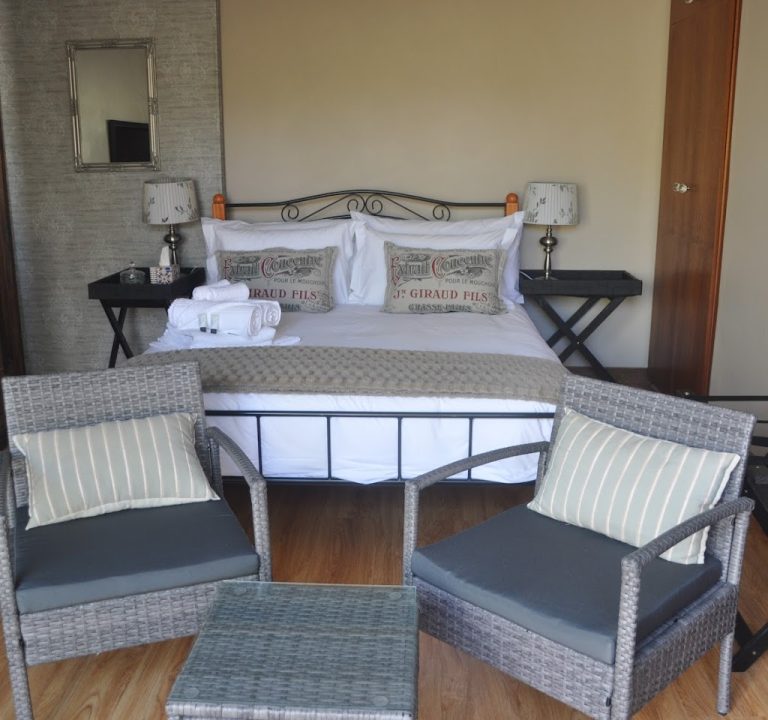
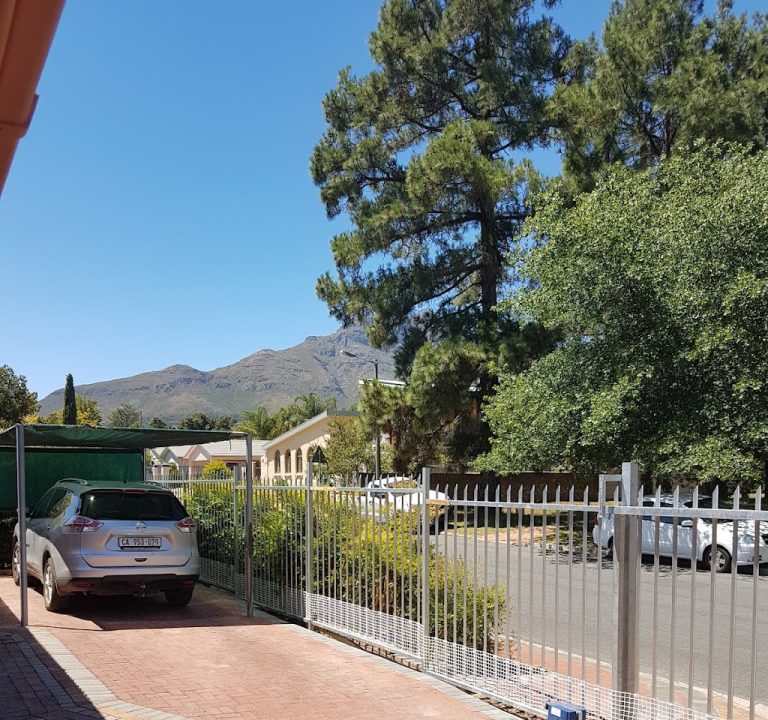
One example of accommodation that reflects the region’s warm hospitality is Bon 10, a guest house known for its thoughtful spaces and guest-focused service. For more information, you can visit the property’s website at https://bon10.business.site/?utm_source=gmb&utm_medium=referral. This kind of stay exemplifies how a well‑located guest house can provide a restful base from which to explore Stellenbosch’s attractions, with friendly hosts and convenient access to nearby amenities.
Practical tips to help you prepare for a smooth trip:
- Book ahead for both accommodation and wine tastings, especially during high season and weekends.
- Bring comfortable walking shoes for town strolls and nature walks in nearby reserves.
- Pack layers for variable weather—mornings and evenings can be cool, even when days are warm.
- Choose a base with easy parking or clear guidance on local parking rules if you’ll hire a car.
- Allow time for a scenic drive along wine routes, including stops at viewpoints and cellar doors where permitted.
- Respect local rules at vineyards and nature reserves, including any restrictions on photography or entry times.
Stellenbosch is more than a base for sipping and sightseeing; it’s a destination that rewards relaxed pacing and curiosity. With a range of guest houses, farm stays, and boutique hotels, you can tailor your stay to your interests—whether that means a quiet sunrise in a hillside room, a morning coffee on a colonial veranda, or an afternoon of tastings along the valley slopes. Plan thoughtfully, and your Stellenbosch visit will offer a well-rounded blend of comfort, culture and countryside charm.