Accommodation and Getting the Most from a Stay in Stellenbosch, Western Cape
Stellenbosch blends a quintessential Cape Town winelands experience with a compact university town feel, making it an ideal base for exploring the Western Cape. When planning a stay, consider both the character of the neighbourhoods and the distance to the main attractions. Town centre stays offer easy access to shops, cafés and historic streets, while vineyard-and-d plantation districts give you country tranquillity and quick access to wine-tasting experiences. A boutique guest house such as Alvera Guest House can provide a personalised touch, with potential for a homely stay just a short stroll from Stellenbosch’s historic core.
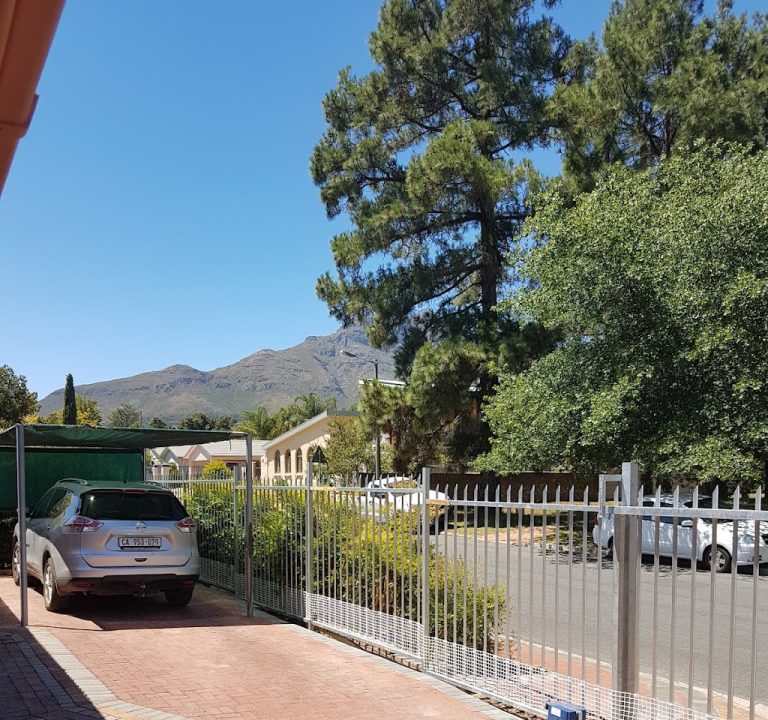
Accommodation in Stellenbosch ranges from guest houses and boutique hotels to self-catering cottages and guest-friendly apartments. Look for places that emphasise comfortable lounges, reliable wifi, and secure parking if you’re exploring by car. Many properties also offer breakfast options, which can be a practical way to start a day of sightseeing or vineyard visits. When booking, check what’s included in the rate—some guest houses provide homemade pastries, regionally sourced produce, or wine-tasting arrangements with nearby estates. If you’re travelling with family or a small group, note many guest houses have family rooms or quiet garden spaces for outdoor relaxation.
Consider the layout of the areas you might stay in. The town centre provides walkable access to a compact core of historical architecture, bookshops, and casual eateries. The northern suburbs offer a more residential feel with leafy streets and convenient access to the university campus and well-regarded wine routes. The Jonkershoek Valley and surrounding vinicultural hillside estates are perfect if you’d like serene scenery, hiking or easy winery visits within a short drive. If you value easy parking and a quick hop to the N1 highway, look for properties on the northern outskirts that still offer close access to town amenities.
Typical amenities you may encounter include en-suite bathrooms, private balconies or garden spaces, and guest lounges with teas and coffees. Some properties provide pool facilities, outdoor terraces, or bicycle-friendly set-ups for short rides around town. For comfort, many guest houses include air conditioning or cosy heating for cooler evenings, as Stellenbosch experiences a range of temperatures through the year. If you require accessibility features, verify in advance whether rooms have step-free entries and wide doorways. Reading reviews can help you gauge the real-world performance of upkeep, cleanliness, and staff attentiveness.
Transport around Stellenbosch is straightforward, but planning ahead saves time. A car gives you the most flexibility to explore vineyards, nature reserves, and day trips to nearby towns. If you don’t drive, many guest houses are within walking distance of the town centre, and local taxis or ride-hailing services can connect you to larger estates or the train station for day trips. Some properties offer shuttle services or can arrange private tours to wine farms and attractions. When choosing a stay, consider proximity to your planned activities and whether you’ll rely on ground transport for evenings out or daylong excursions.
The best time to visit Stellenbosch depends on what you want from your trip. Spring and autumn offer pleasant temperatures, manageable crowds, and vibrant vineyard landscapes. Spring brings fresh greenery and blossoming trees, while autumn provides warm colours and harvest-era activity around wine estates. If you’re keen on winery tours and food experiences, coordinating visits during off-peak midweek periods can be more relaxed. Summer is lively, with outdoor dining and eventi, but it can be busier and warmer. Winter brings cooler days with occasional rain, ideal for cosy stays and indoor museum or gallery explorations.
Practical tips for planning your stay:
- Book early in peak seasons, especially if you prefer boutique guest houses with specific room layouts or garden access.
- Request a room facing the garden or with a private terrace if you value quiet mornings or evenings.
- Clarify what breakfast options are available and whether dietary needs can be accommodated.
- Ask about parking arrangements, particularly if your plan includes day trips by car.
- Check cancellation policies and whether your rate includes local taxes or service charges.
When you’re ready to plan day-time activities, Stellenbosch offers a gentle blend of culture, nature and gastronomy. In general terms, you can expect scenic drives through rolling vineyards, heritage walks along oak-lined streets and visits to museums that recount the town’s Cape Dutch and colonial history. Dining is often anchored around wine estates and modern bistros offering seasonal menus that showcase South African produce alongside acclaimed wines. For those who wish to explore the broader winelands, day trips to neighbouring towns and estates are straightforward, with plenty of opportunities for guided tours or self-guided tastings. For up-to-date visitor information, official tourism resources and local recommendations can be useful starting points: https://www.stellenbosch.co.za
To get a sense of the wider region, consider a stay that allows you to wake early and pace your days between town strolls, vineyard visits and light outdoor walks. An approach that combines a comfortable base with a few guided experiences—such as a wine estate tour, a historic walking tour of the town, and a leisurely lunch at a country restaurant—often yields a balanced, memorable visit to Stellenbosch.