Discovering Stellenbosch: where to stay and what to do
Stellenbosch in the Western Cape is a compact, picturesque town set against the backdrop of palm-fringed streets, oak-lined avenues and the rolling vineyards of nearby wine estates. It is well suited to travellers seeking a stylish base from which to explore wine country, historic architecture and a thriving dining scene. For those planning a stay, it helps to consider the different neighbourhoods, typical amenities, transport options and the best times of year to visit.
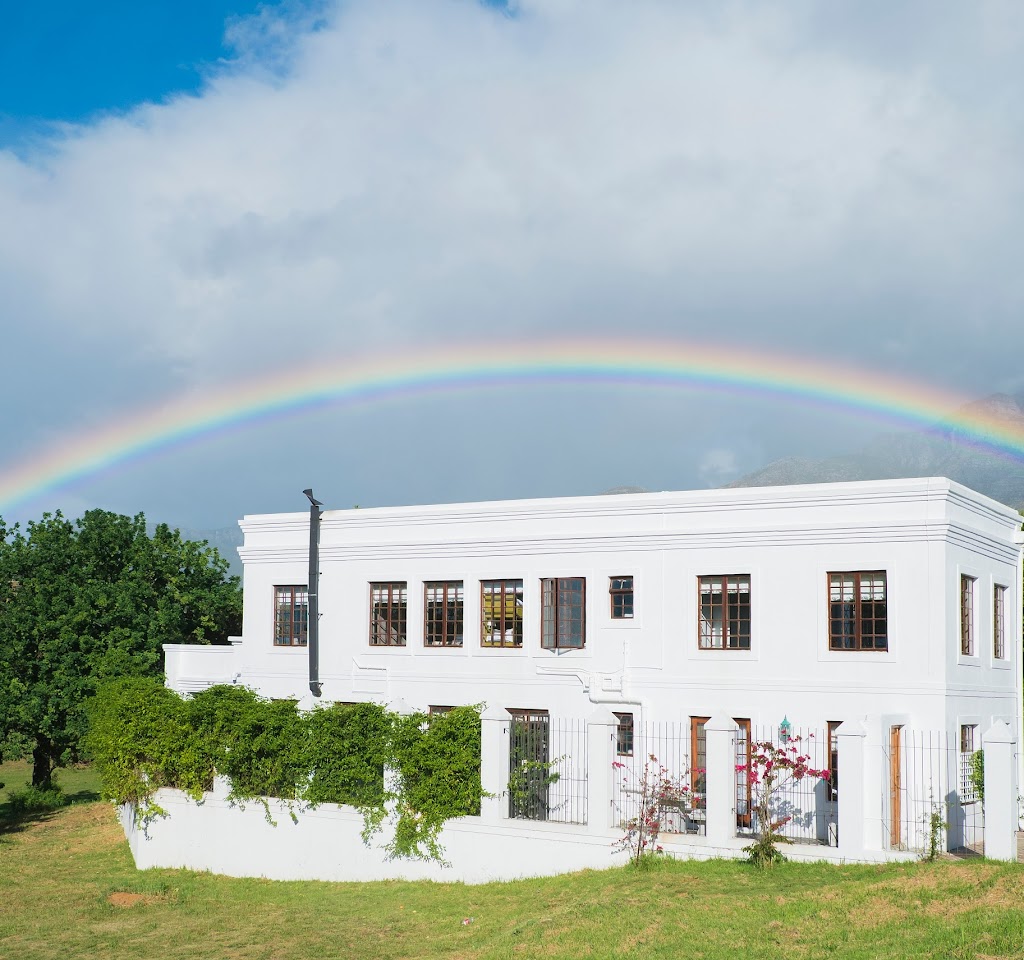
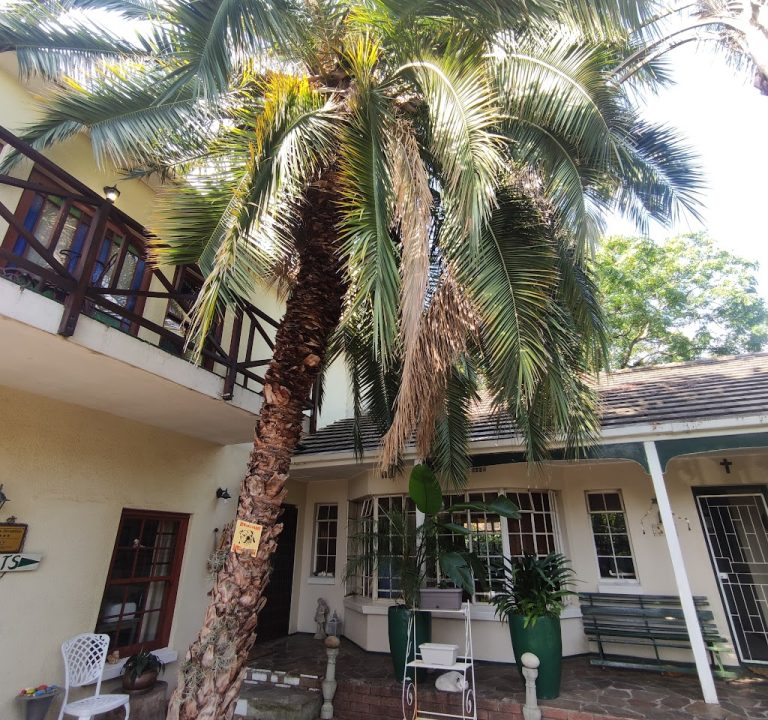
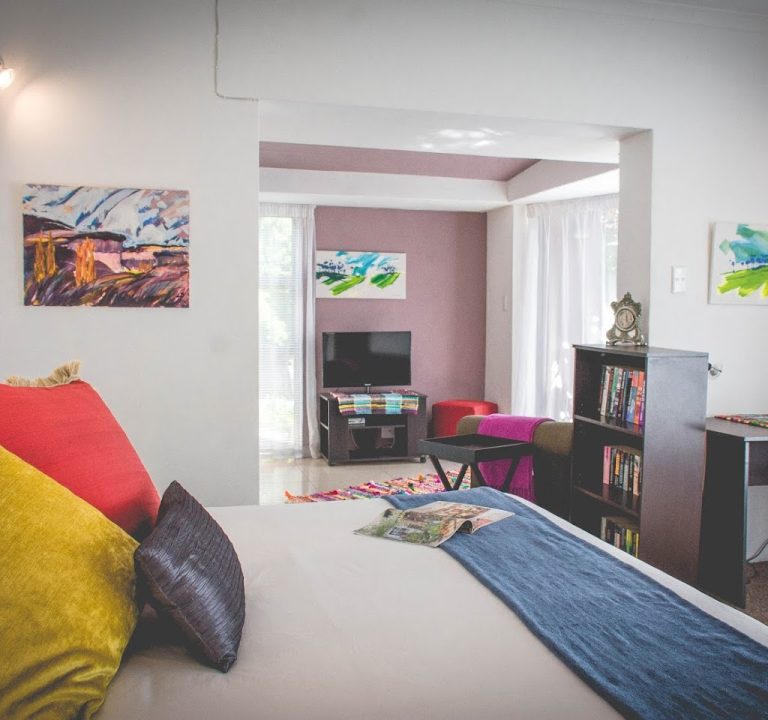
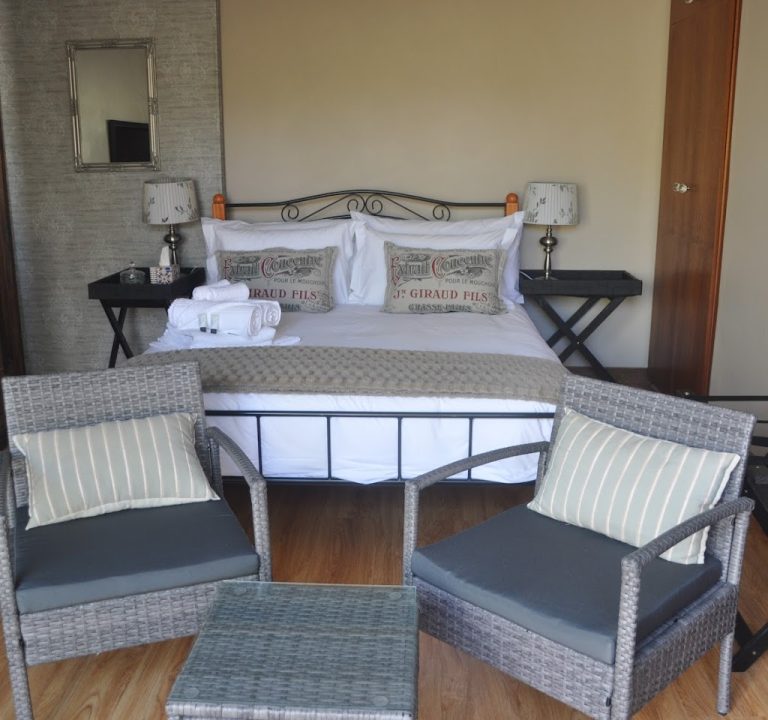
Accommodation in Stellenbosch ranges from boutique guesthouses and guest-friendly lodges to modern hotels with spa facilities. A well-chosen base can be atmospheric and convenient in equal measure. For example, Boord Guest House offers a comfortable option within easy reach of the town centre and Stellenbosch’s wine route, with a focus on guest comfort and easy access to nearby attractions. When exploring booking options, you can expect properties to vary from intimate, period-style rooms to more contemporary suites, many with private terraces or courtyards.
Areas to consider include the central town core, which places you within a short stroll of shops, bakeries and eateries, and the southern university-adjacent neighbourhoods, which are often quieter and more residential. The outskirts and vineyard belt north and east of the town provide serene countryside stays with long views over terraced vineyards and mountains. If you prefer a shorter drive to the coast or Cape Town, look for properties with straightforward routes to main roads and public transport links.
What to look for when booking
- Proximity to wine routes and attractions you plan to visit
- Parking availability and ease of access for guests with luggage
- On-site facilities such as a pool, bar, breakfast service and secure Wi-Fi
- Room features that suit your needs, including air conditioning, heating, ensuite bathrooms, and quiet rooms for restful nights
- Clear cancellation policies and any seasonal rate variations
- Availability of guest information on local experiences, tasting tours and restaurant recommendations
Typical amenities in well-rated Stellenbosch properties often include continental or full breakfasts, comfortable communal lounge areas, well-appointed bathrooms, and gardens or courtyards ideal for morning coffee. Some places offer shaded al fresco dining spaces or sun decks, while others may provide bicycles or convenient transport arrangements to nearby estates. When booking, it’s worth checking whether the property offers assistance with arranging wine tastings, guided walks, or private tours, which can save time and add local insight to your stay.
Transport and getting around
Stellenbosch is a traffic-conscious town with narrow streets in the historic core. If you are self-driving, you’ll find parking often available on-site or nearby. For those relying on public transport, a combination of local buses, ride-sharing services and occasional shuttle options from larger hotels or guesthouses can help move you between the town, the university, and the surrounding wine estates. Many visitors also enjoy walking the compact town centre to soak up the architecture, café culture and small museums. If you plan vineyard visits, consider hiring a driver for the day or booking a guided tour to sample several estates without worrying about navigation or designated drivers.
Best time to visit
The Stellenbosch season is linked to the wine calendar and to regional weather. For wine tastings and outdoor meals, spring (September to November) and autumn (March to May) offer comfortable temperatures, longer daylight hours, and lighter crowds. Summer brings warm, sunny days ideal for garden cafés and vineyard picnics, but it can be busier, particularly on weekends. Winter is cooler and quieter, with occasional rain; it remains a good time for indoor gastronomic experiences or museum visits when you want to escape the heat.
Attractions and experiences (general rather than specific claims)
- A stroll through the town centre to admire Cape Dutch architecture and historic gables
- Visits to nearby wine estates for tastings and cellar tours arranged through accommodation hosts or reputable tour operators
- A visit to academic and cultural sites associated with Stellenbosch University
- Gardens and scenic viewpoints, including hillside vistas over the surrounding winelands
- Local markets, bakeries and cafés where you can enjoy freshly baked goods and regional flavours
- Seasonal events and festivals that showcase food, wine and arts
Dining and foodie notes
Stellenbosch offers a broad range of eateries, from casual cafés to refined dining rooms. When planning meals, look for places that emphasise local ingredients, seasonal menus and a relaxed, welcoming atmosphere. Many guesthouses and hotels can point you to suitable options for breakfast, lunch and dinner, as well as wine-pairing experiences and cellar-door opportunities. Even if you prefer to stay in, you can often arrange a tasting menu or a light bite in a stylish lounge area.
Practical tips
- Book well in advance if you’re travelling during peak season or over weekends when estates and hotels fill quickly.
- Confirm breakfast arrangements and early check-in or late check-out options if you have a packed day of activities.
- Bring comfortable walking shoes for the town centre streets and vineyard paths.
- Check if the accommodation offers shuttle or transfer options to avoid driving in busy areas.
- Bring a light layer for evenings, which can be cooler after sunset even in warmer months.
Website reference
For a convenient option with a local flavour, consider Boord Guest House as part of your Stellenbosch itinerary. You can find more information and online booking details at https://book.nightsbridge.com/17518?nbid=337. This kind of listing can be a helpful starting point as you compare room layouts, packages and locations within the town and surrounding winelands.