Plettenberg Bay: Where to stay, what to do and how to plan your visit
Plettenberg Bay, perched on the Garden Route in the Western Cape, offers a mix of sun‑lit beaches, forested trails and laid‑back hospitality. Whether you favour seaside boutique hotels, stylish guesthouses, or family‑run lodges with a warm welcome, the town provides a range of stays to suit different budgets and itineraries. Planning a visit involves choosing the right neighbourhood, understanding typical amenities, and mapping out how to make the most of your time in this scenic corner of South Africa.
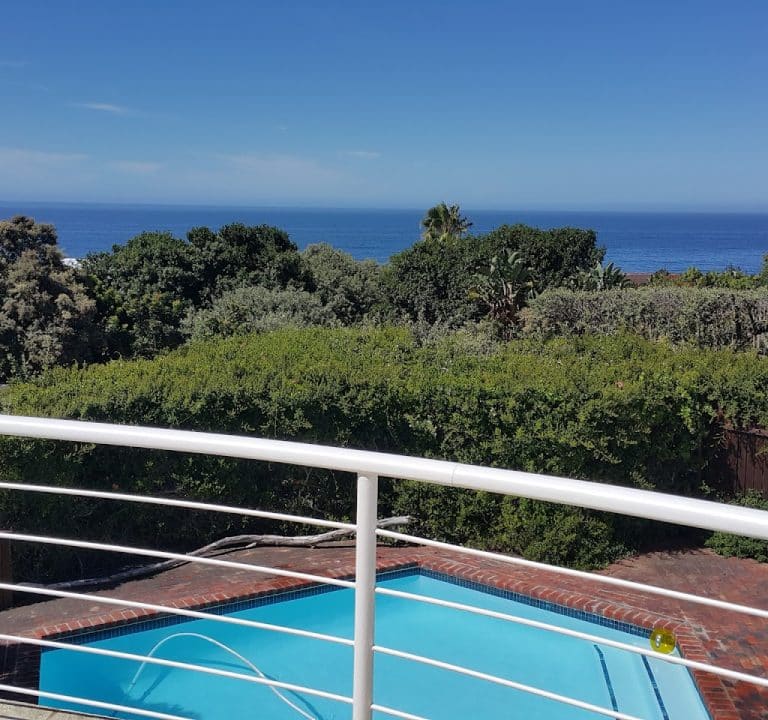
Areas to consider when booking include the central beachfront precinct, which offers easy access to beaches, promenades and many dining options. A little inland, you’ll find quieter residential pockets with cosy guesthouses and self‑catering lodges that feel more private and relaxing. For those seeking a blend of comfort and convenience, a boutique hotel with a contemporary design and attentive service can provide a stylish base from which to explore the coast and surrounding nature reserves. When selecting a property, look for features that suit your trip: a sea view or balcony, a private garden, on‑site parking, good Wi‑Fi, and a clear house policy on noise and check‑in times. If you’re travelling with family or a group, check for family rooms, additional beds, or apartment-style suites with kitchen facilities.
Typical amenities you might encounter include en‑suite bathrooms, reliable housekeeping, ample storage, and thoughtful touches such as complimentary tea and coffee, secure parking, and in some cases a pool or outdoor deck. Many places can arrange airport transfers or local shuttles, and several properties feature in‑house or partner spa services, on‑site restaurants, or breakfast options. If you prefer independence, look for self‑catering options or rooms with a kitchenette. For nature lovers, stays near the Robberg Peninsula or within easy reach of forest trails can minimise travel time to outdoor activities.
Transport in Plettenberg Bay is relatively straightforward. A car is often the most convenient way to explore the Bay and the wider Garden Route, giving you freedom to visit beaches, viewpoints and nearby towns at your own pace. If you don’t plan to drive, check whether your accommodation offers reliable transfer services or is close to public transport and town centres. The town is well served by local services and a growing number of guided excursion options, from coastal walks to wildlife encounters and scenic drives along the coast. When planning day trips, consider travel time between beaches, viewpoints and activities, and allow for a flexible schedule to account for seasonal tides and weather conditions.
The best time to visit Plettenberg Bay depends on what you want from your trip. The region enjoys mild winters and warm summers. Summer (December to February) brings lively seaside ambience and longer days, ideal for beach activities and outdoor dining. Spring and autumn offer pleasant temperatures with fewer crowds, which can be ideal for nature enthusiasts and walkers. Winter (June to August) is cooler and quieter, with the possibility of whale watching along the coast in season and fewer crowds at popular sites. If you’re planning coastal walks, check local tide and weather forecasts, as some trails are best enjoyed in stable conditions. Booking accommodation in advance during school holidays and peak season is advisable, while shoulder periods can offer good value and a more relaxed pace.
Nearby attractions and experiences generally fall into three categories: beaches and coastline; nature trails and reserves; and cultural or dining experiences. Beach days are the backbone of a Plettenberg Bay stay, with safe swimming options, sandy stretches and scenic viewpoints. For walkers and wildlife lovers, forest hikes, nature reserves, and lookout points provide rewarding routes with opportunities to spot birds and other wildlife. Water‑based activities such as kayaking and stand‑up paddleboarding are common, and boat or kayaking trips can offer a different perspective on the coastline. For a broader cultural experience, you can expect a range of eateries serving seafood, grill‑style fare and contemporary cuisine, often with a focus on seasonal, locally sourced ingredients. While specific venue names and prices can change, most establishments emphasise quality ingredients, relaxed atmospheres and friendly service.
To plan meals and dining during your stay, consider a mix of casual eateries and more refined venues. In Plettenberg Bay you will typically find cafés offering light breakfasts and lunches, as well as restaurants with a focus on seafood and regional dishes. Booking ahead is wise in peak periods, especially for popular spots or weekend dining. If you prefer flexibility, many guesthouses and hotels can recommend reliable options nearby or arrange private dining experiences. As you plan, note that many properties publish practical guest information on their websites, including check‑in windows, on‑site dining options, and nearby markets or bakeries worth a morning visit.
Practical planning tips to maximise your stay:
- Confirm the property’s policy on luggage storage, late checkout, and guest access to communal spaces.
- Check the duration and inclusions of breakfast or other meals, and whether there are options for dietary needs.
- Ask about parking arrangements and gate or security features if you plan to stay in a quieter or hillside area.
- Prepare for variable weather; pack a light rain jacket, sun protection, and comfortable walking shoes for varied terrains.
- Consider combining beach days with forest or nature walks to balance scenic relaxation with activity.
- Review cancellation terms and policies, particularly if travel plans may change due to weather or seasonality.
- Utilise official tourism resources or the property’s recommendations for guided tours and day trips to ensure safe, reputable experiences.
In short, Plettenberg Bay offers a welcoming mix of accommodation styles, easy access to beaches and nature, and a relaxed dining scene. By choosing the right area, anticipating practical needs, and pacing your activities, you can craft a balanced stay that captures the coastal charm and outdoor appeal of the Western Cape’s famed Garden Route. For inspiration and current options, you can visit local tourism sites or browse individually hosted pages on reputable accommodation providers.