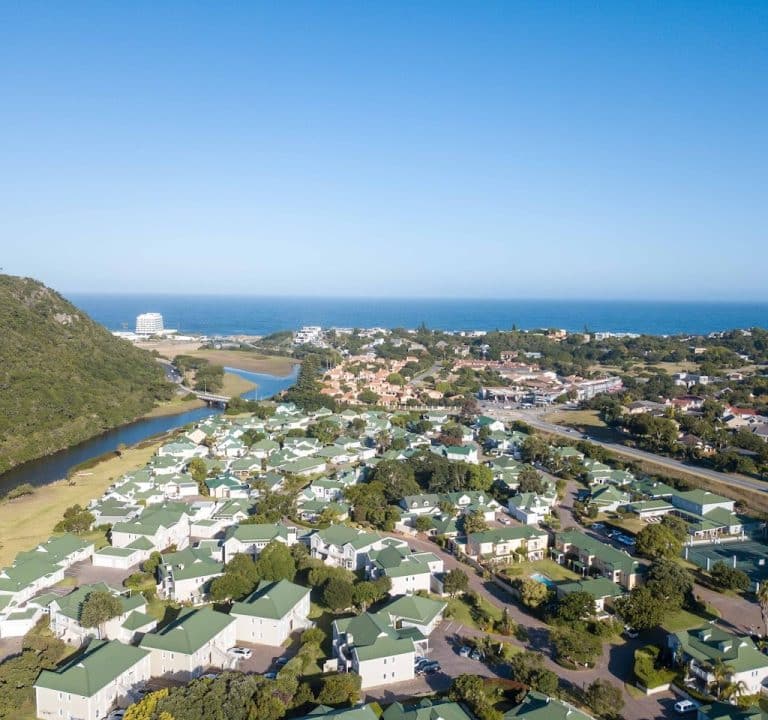
Discover Plettenberg Bay: Where to stay, what to do, and how to plan your visit
Plettenberg Bay, on South Africa’s iconic Garden Route in the Western Cape, offers a relaxed blend of sun, sea and superb natural scenery. Whether you prefer a stylish self‑catering stay, a cosy guesthouse near the centre, or a family-friendly lodge a short drive from the beaches, the area provides a range of accommodation to suit different itineraries and budgets. Planning ahead helps you make the most of your visit, from choosing the right neighbourhood to understanding the best activities for your group.
Areas worth considering include the coastline around the main town and its pristine beaches, where many self‑catering properties sit within easy reach of both sea views and village amenities. For a tranquil escape, consider homes and lodges tucked away a little inland or along the river corridors, where guests can enjoy open space, birdlife and easy access to nature trails. If you prioritise activities and dining options, a stay near the town centre or the central beachfront provides convenient strolls to eateries, shops and sea runs. Plan according to your transport needs; most visitors rely on a car to explore the surrounding coastline and nature reserves, though some properties may offer shuttle or organised excursion options.
When choosing accommodation, look for a few practical features that make a stay comfortable and stress‑free. Self‑catering stays benefit from well‑equipped kitchens, reliable wifi, and clear information about check‑in procedures, cleaning schedules and guest parking. For families or larger groups, seek properties with multiple bedrooms, secure outdoor spaces, and options for outdoor cooking, such as braai facilities. If you are travelling with pets or small children, check house rules and any age restrictions. Accessibility can be important for some guests, so note stair access, doorway widths, and whether lifts are available if needed. For those seeking a quiet retreat, ask about noise levels, especially in peak holiday seasons when beaches and towns can be lively.
Typical amenities you may encounter include fully equipped kitchens, comfortable living spaces with indoor and outdoor seating, private terraces or patios, swimming pools or access to communal pools, secure parking, and in some cases, laundry facilities. Many properties offer daily or weekly housekeeping, optional chef services, or local recommendations to help you plan activities. It is worth confirming what is included in your rate—gas, electricity, and water are standard, but some up‑market options may charge utilities independently. For those who enjoy entertainment, many self‑catering homes provide smart TVs and streaming access, while eco‑mensitive stays may emphasise water and energy saving features.
When it comes to planning transport and arrival, consider the distance to Plettenberg Bay’s beaches, Robberg Nature Reserve, and the town's restaurants and shops. A road‑based stay gives you the most flexibility to explore the coast, prawn shacks, and nearby nature trails at your own pace. If you prefer not to drive, look for properties with proximity to town or arrange airport transfers and guided tours in advance. Public transport in the region is limited, so a car rental often represents the best value for getting around and appreciating the coastline and inland scenery at your own pace.
Best time to visit Plettenberg Bay is largely dictated by weather and wildlife watching. The summer months (roughly November to February) bring warm seas and long, sunny days—ideal for beach days, swimming, kayaking, and boat trips. Winter (June to August) stays milder than inland areas, with cooler evenings and occasional rainfall; some travellers enjoy winter whale watching and fewer crowds. Spring and autumn offer pleasant temperatures and quieter beaches, making them excellent for outdoor activities and photography. If you are keen on seasonal highlights, plan around school holidays and long weekends, but book early to secure preferred properties, particularly for peak periods.
Activities and experiences in Plettenberg Bay span nature, adventure, culture and cuisine. Highlights include coastal hikes along the cliffs and beaches, visits to nature reserves and viewpoints, and boat or kayak trips to enjoy marine life from the water. Families often enjoy shallow, safe beaches and nearby playgrounds, while couples might savour a scenic dinner out or a sunset walk along the shore. Dining options in the area range from casual beachfront cafés to more refined eateries offering fresh, locally sourced seafood and regional produce. While specific venue names and prices vary seasonally, most menus lean on seafood, seasonal vegetables, and classic South African flavours in relaxed, welcoming settings. For day trips, guided tours to nearby towns, vineyards, and nature reserves are commonly available through local operators and accommodation hosts.
Planning tips at a glance:
- Book early for peak seasons and school holidays to secure preferred locations and the best views.
- Choose accommodation based on your priorities: beach access, quiet rural settings, or central convenience.
- Confirm self‑catering facilities, laundry provisions, and parking arrangements before arrival.
- Check cancellation policies and any extra charges for utilities or housekeeping.
- Ask hosts about local transport options, safe driving routes, and recommended day trips.
Practical extras to pack or arrange include sun protection, light layers for cooler evenings, comfortable walking shoes, and adapters if you bring electronics. Consider a flexible plan that balances time on the sands with gentle excursions into the surrounding countryside. Plettenberg Bay rewards visitors with its natural beauty and a relaxed coastal lifestyle, making it an ideal destination for a restorative getaway or a layered Southern African adventure. With thoughtful planning of where you stay, what you do, and when you visit, your Plettenberg Bay break can be as laid‑back or as action‑packed as you wish.