Plettenberg Bay: Accommodation, Attractions and Practical Travel Guide
Plettenberg Bay, often simply called Plettenberg or Plett, is a coastal town in the Western Cape that combines golden beaches, rugged coastline and access to nature reserves with a welcoming, laid‑back atmosphere. Whether you’re seeking a boutique stay, a family-friendly guesthouse or a self‑catering lodge, the area offers a range of options that suit different budgets and travel styles. Planning a stay here means balancing comfortable accommodation with opportunities to explore the scenery, be active outdoors and savour local dining without straying far from your base.
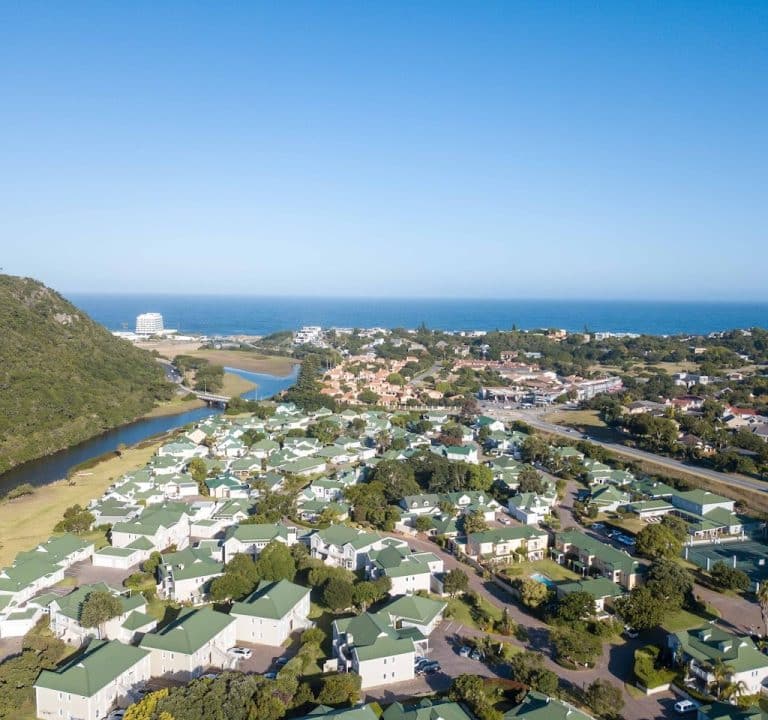
Accommodation in Plettenberg Bay tends to fall into several distinct areas, each with its own character. The town centre and nearby beaches provide convenient access to shops, restaurants and sunsets over the bay. Lookout Beach and Robberg Nature Reserve offer scenic settings and a more relaxed, semi‑remote feel, while Keurboomstrand and Goose Valley give a quieter, beach‑forward stay with longer sea views. For those who prioritise proximity to outdoor adventures, staying near the Robberg Peninsula can cut down transfer times for walks, kayaking or boat trips. When selecting a property, consider the distance to the activities you value most, the availability of on‑site parking and whether you’d prefer a property with communal spaces or private self‑contained units.
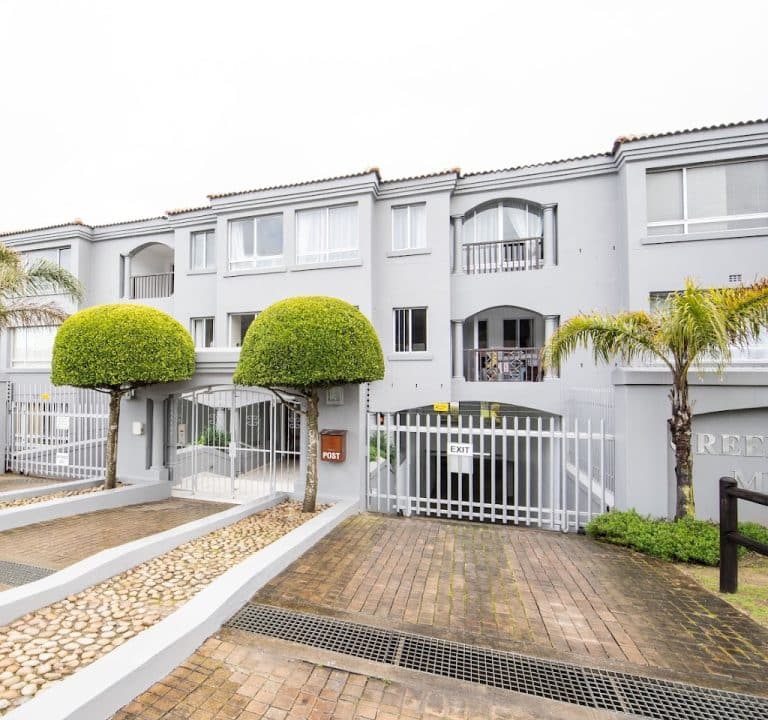
Typical amenities across Plettenberg Bay’s accommodation range include en‑suite bathrooms, reliable Wi‑Fi, private balconies or verandas, and secure parking. Many guesthouses and lodges offer breakfast or even full board as part of the package, while self‑catering options provide kitchen facilities that are ideal for families or groups. Outdoor spaces are a common highlight—think sunny terraces, inviting pools, braai (barbecue) areas and easy access to gardens or lawns. Accessibility varies by property; if stairs are a concern, check for ground‑floor rooms or lifts where available. For longer stays or business trips, a quiet workspace and good lighting can be a useful feature to look for in advance.
Booking tips to help you plan a comfortable stay include reading recent guest reviews with a focus on cleanliness, service consistency and noise levels. Confirm what is included in the nightly rate (breakfast, daily housekeeping, or dedicated parking) and inquire about cancellation policies, particularly in peak seasons. If you’re travelling with children, check for family‑friendly rooms or suites, child‑proofing options and the availability of nearby beaches or safe swimming areas. For couples or travellers seeking privacy, consider boutique guesthouses or secluded lodges that offer private entrances or courtyards.
Transport in Plettenberg Bay is generally car‑friendly, and many visitors choose to hire a vehicle to maximise freedom of movement along the Garden Route. Driving gives you flexibility to explore neighbouring towns, beaches and viewpoints at your own pace. If you prefer not to drive, some lodges and guesthouses offer shuttle services to the beach or town centre, and there are local tour operators for day trips or activity days. The closest major airport is George, from which you can arrange a transfer or hire a car. Once in town, taxis and ride‑hailing services are available, but you’ll often find that a car makes a stay more convenient, especially if you want to venture to more remote beaches or nature trails.
The best time to visit Plettenberg Bay depends on what you seek. The summer months (roughly November to February) bring warm sea temperatures ideal for swimming and water activities, with generally drier conditions. Spring and autumn offer milder weather and quieter beaches, which can be appealing for walkers, hikers and wildlife watchers. Winter is cooler and wetter, but the coastal scenery remains striking and certain indoor or coastal‑view properties can be particularly cosy during these months. If you’re a wildlife enthusiast, the surrounding reserves often offer rewarding sightings outside peak tourist periods, and spring brings a bloom of coastal flora along the trails.
When planning your itinerary, balance beach days with light to moderate outdoor activities and restful periods. Plettenberg Bay is a hub for nature experiences such as coastal walks, marine life watching (where permitted by operators), guided nature tours and short hikes along cliff trails or nature reserves. For dining, you’ll find a mix of casual bistros, seafood eateries and more refined venues that focus on fresh, local produce. Rather than fixing a single must‑see venue, plan to enjoy meals at several places to get a sense of Plettenberg Bay’s culinary rhythm and seasonal produce.
Practical tips for a smooth stay:
- Book well in advance for peak seasons, especially in school holidays and long weekends.
- Check property policies on check‑in times, pets, and noise curfews to avoid surprises.
- Pack sun protection, a light waterproof layer and comfortable walking shoes for coastal trails.
- Bring a reusable water bottle and plan a few local, sustainable dining choices where possible.
- Plan a mix of activities and relaxed days to avoid over‑packing the itinerary.
For more ideas on where to stay and what to explore, you can start with official tourism pages offering general guidance and visitor information. When you’re ready to book, you’ll find Plettenberg Bay’s range of lodges, guesthouses and boutique stays provides comfortable bases from which to discover one of South Africa’s most scenic stretches of the Garden Route. Websites for accommodation providers and local tourism boards can offer additional details, availability and current offerings to help tailor your trip to your interests.