Where to Stay and What to Do in Plettenberg Bay, Western Cape
Plettenberg Bay, commonly known as Plett, offers a relaxed coastal vibe framed by the Tsitsikamma Mountains and the Indian Ocean. Whether you are seeking a secluded self-catering escape, a boutique hotel stay, or a family-friendly lodge, the town provides a range of accommodation options that suit different itineraries and budgets. When planning a visit, it helps to understand the layout of the area, the pace of each neighbourhood, and the practicalities of getting around.
Accommodation in Plettenberg Bay falls into several broad categories. Self-catering properties, including villas and apartments, are popular for families and groups who value flexibility and the convenience of kitchen facilities. Boutique guesthouses and upmarket lodges offer personalised service and easy access to beaches and nature reserves. For those travelling light or seeking simplicity, some country-style inns and coastal hotels provide comfortable rooms with essential amenities and on-site dining. A key consideration is proximity to the beach, the town centre, and the main roads that connect Plettenberg Bay to surrounding attractions.
When choosing where to stay, consider the following areas and what each offers:
- Beachfront or near the Robberg Peninsula for easy ocean access and scenic walks.
- Central Plettenberg Bay for shops, restaurants, and quick access to the main routes.
- Southern areas closer to nature reserves and mountain viewpoints for a quieter, residential feel.
- Quiet bays or enclaves along the coast for families or groups seeking added privacy.
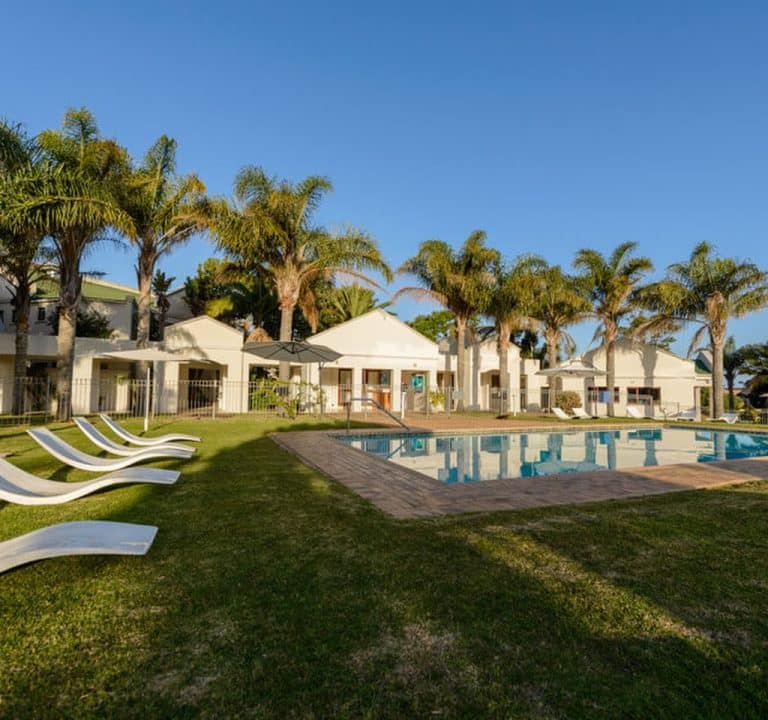
Typical amenities to look for include reliable Wi-Fi, secure parking, well-equipped kitchens, laundry facilities, and comfortable living spaces. If you anticipate long days outdoors, an outdoor seating area, barbecue facilities, and a pool can enhance the stay. For families, note on-site child-friendly features such as cots, high chairs, and safe grounds. If you plan a longer stay, check for weekly housekeeping options or the flexibility to arrange mid-stay cleans. For self-catering stays, confirm the kitchen equipment and groceries delivery options, as not all units will include every appliance you may expect.
Transport in Plettenberg Bay is straightforward but requires some planning. The town has a pedestrian-friendly centre, but many attractions and beaches are spread out, so a car is the most convenient way to explore. Some accommodation providers offer shuttle services or can arrange transfers, which can save time on arrival and departure days. If you prefer not to drive, local tours and activities can still be booked, but budget extra time for transfers and potential peak-hour traffic along coastal routes.
The best time to visit Plettenberg Bay depends on your priorities. Summer (December to February) brings warm seas and lively beach scenes, ideal for water-based activities and long days in the sun. Autumn (March to May) offers cooler, pleasant weather with fewer crowds, making it a good shoulder-season option for hiking, cycling and wildlife spotting. Winter (June to August) can be mild but rainy at times, suitable for whale watching on the coast and enjoying cosy evenings indoors. Spring (September to November) showcases a burst of colour as the landscape comes to life. While prices can vary, shoulder seasons often provide good value and quieter beaches without compromising on the quality of experiences.
Booking tips to help you plan a smoother stay:
- Read guest reviews focusing on accessibility, cleanliness, and responsiveness of hosts or managers.
- Check cancellation policies and whether there are flexible dates in case of weather or personal changes.
- Ask about access to local resources such as beaches with blue-flag status, safe swimming zones, and nearby nature reserves.
- For self-catering stays, confirm if groceries shops, markets, and fresh seafood are within easy reach or delivered.
- Inquire about privacy, security features, and boundaries in shared spaces if travelling with children or groups.
Beyond where you stay, Plettenberg Bay offers a diverse menu of experiences. Outdoor lovers can explore pristine beaches, scenic coastal walks, and nearby nature reserves with excellent opportunities for wildlife viewing. Boat trips, kayaking, or stand-up paddleboarding provide a flexible way to enjoy the marine environment. For those who enjoy wine and cuisine, the region hosts farm-to-table dining experiences, farm stalls, and informal eateries at the edge of the hills and valleys surrounding the coastline. Short day trips to nearby towns and nature reserves are feasible, making Plettenberg Bay a good base for exploring the southern Overberg and the Garden Route coastline.
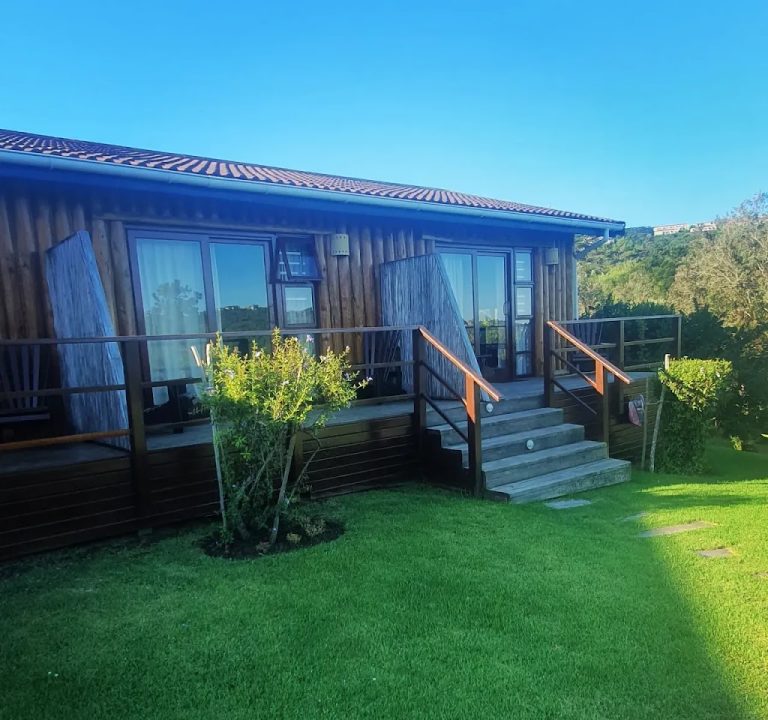
Self-catering options, such as Plettenberg Bay Villa, illustrate the appeal of staying where you can tailor your schedule and return to a private space after a day of exploration. For more information about this type of accommodation, you can visit the property's page at Plettenberg Bay Villa.
When planning a visit, packing smartly goes a long way. Bring sun protection, light layers for cooler evenings, and comfortable walking shoes for trails and coastal paths. A lightweight rain jacket is wise for changeable weather along the coast. If you prefer specific dietary needs or have accessibility considerations, contact your chosen accommodation in advance to confirm that facilities align with your requirements. With thoughtful planning, Plettenberg Bay offers a balanced blend of rest, scenery, and gentle adventure that makes for a memorable stay in the Western Cape.