Where to stay and what to do in Plettenberg Bay, Western Cape
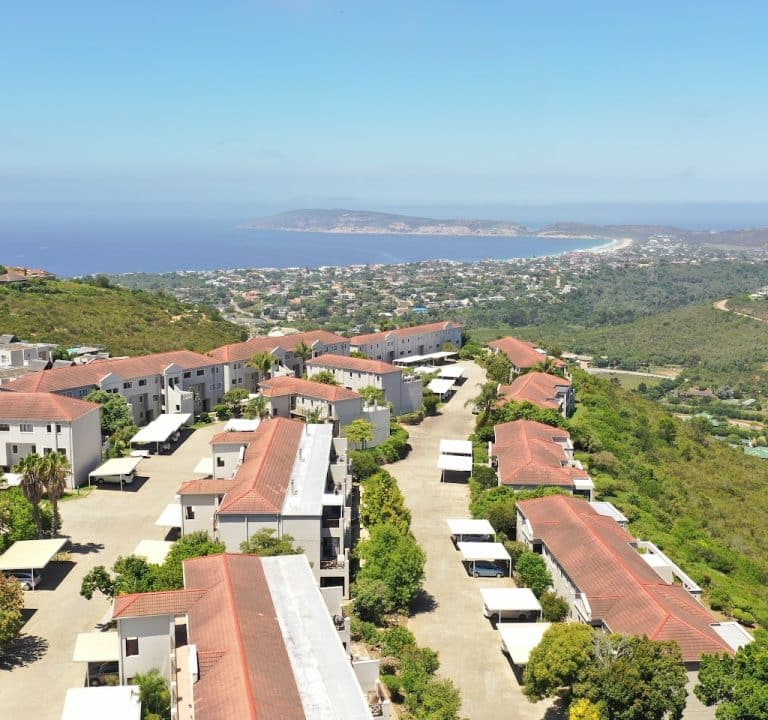
Plettenberg Bay, often abbreviated to Plettenberg Bay or Plett, is a laid‑back coastal town on the Garden Route that pairs sun‑kissed beaches with dramatic scenery. When planning a stay, it helps to think in terms of distinct neighbourhoods and what you want from your time here. The town centre offers convenient access to shops and dining, while the Robberg Peninsula delivers spectacular walks and sea views. The quieter outskirts and the nearby Crags region provide a more secluded setting and easy access to nature reserves and wildlife. Whether you’re after a boutique hotel with sea views, a family‑friendly guesthouse, or a self‑ catering lodge, Plettenberg Bay has options to suit most budgets and preferences.
Booking a place to stay in Plettenberg Bay typically hinges on proximity to two things: the beach and the main thoroughfare. If you long for easy beach access and a lively atmosphere, look for accommodation within walking distance of the town’s central beaches and the harbour area. For a more serene escape, consider properties tucked along the scenic coastal roads or within a short drive of the Robberg Nature Reserve. Key practical considerations include parking availability, access to a swimming pool or private deck, and whether breakfast or self‑catering is offered. Many properties provide Wi‑Fi, daily housekeeping, and secure parking, but the exact mix varies, so check inclusions before booking.
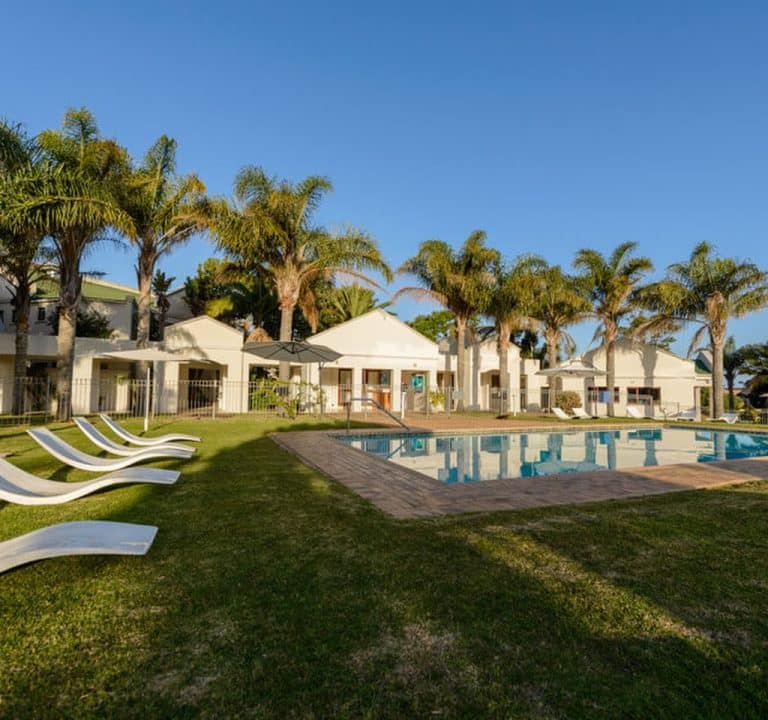
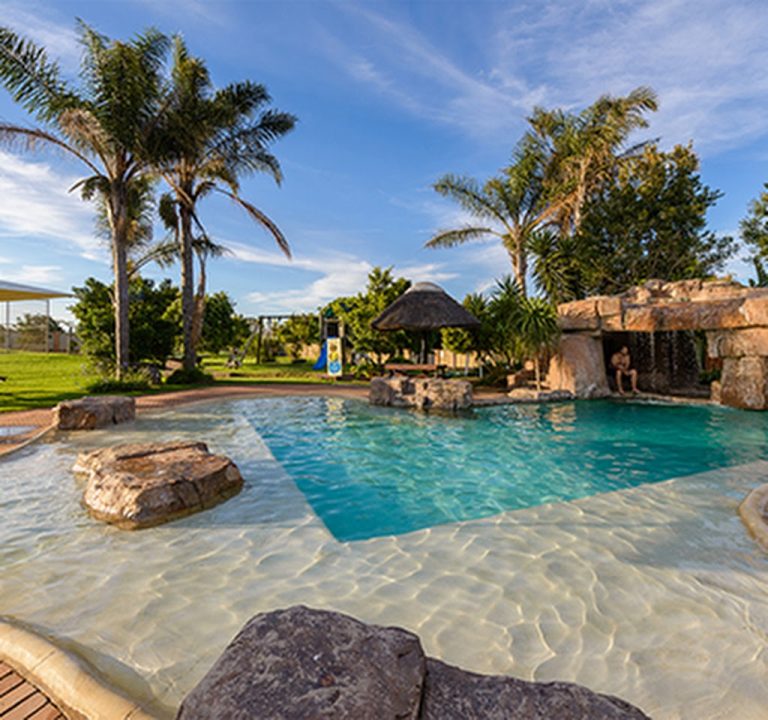
Typical amenities you might encounter include private balconies or verandas with sea or mountain views, on‑site dining or continental breakfasts, well‑equipped kitchens or kitchenettes, and communal gardens or barbecue/ braai facilities. Family‑friendly options often feature spacious suites, child‑safe spaces, and easy beach access. For those travelling on a romantic break, boutique hotels and guesthouses frequently offer cosy lounges, spa services nearby, and intimate dining areas. When booking, verify cancellation policies, guest capacity, and any seasonal restrictions that could affect your plans.
Transport in Plettenberg Bay is straightforward, but some planning pays off. The town is served by a regional airport within a convenient drive, and car hire is a popular choice for exploring beyond the town centre. If you prefer not to drive, many accommodation providers can arrange shuttle services or advise on reputable local taxis. Roads to the surrounding attractions can be winding but are well‑maintained, and most guesthouses include parking. In busy seasons, it’s wise to book well in advance, especially for properties with sought‑after sea views or those within easy access to Robberg Beach and the bay’s main attractions.
The best time to visit Plettenberg Bay depends on what you’re seeking. Summer (December to February) brings warm weather, long days, and excellent beach conditions, with excellent conditions for sailing and coastal walks. Autumn (March to May) offers milder temperatures and quieter beaches, while spring (September to November) is ideal for outdoor activities and wildlife viewing, including whale watching along the coast during migration seasons. Winter (June to August) is cooler and occasionally rainy, yet it can be pleasantly tranquil and a good time for shorter, less crowded visits. Regardless of when you go, early mornings or late afternoons tend to be the best times for beaches and outdoor exploration, when light is soft and crowds are smaller.
When shaping an itinerary, a balanced mix of outdoor time, coastline exploration, and relaxed dining works well. A day trip to Robberg Nature Reserve can combine dramatic coastal walks with opportunities to spot seals, seabirds, and, depending on the season, migrating whales. Beach days are best enjoyed at long sandy shores where swimming is safe and lifeguards are present. For a broader nature experience, the surrounding region offers forest trails, viewpoints, and easy access to nearby farms or vineyards, depending on your interests. A gentle blend of activity and downtime helps you appreciate Plettenberg Bay without feeling rushed.
Dining in Plettenberg Bay ranges from casual beachside cafés to refined eateries with modern takes on South African and international cuisine. In a coastal town like this, options tend to prioritise fresh seafood, grilled meats, and regional produce. If you’d prefer an informal evening, seek out venues with robust, family‑friendly menus and outdoor spaces. For a more gastronomic experience, many restaurants offer seasonal menus and wine selections from nearby producers. It’s wise to book a table during peak seasons or weekends, particularly in popular areas near the beaches and harbour.
Other visitor‑oriented activities abound. Boat trips and sea safaris are common ways to experience Plettenberg Bay’s marine life from the water, while guided forest or coastal walks provide education on the region’s biodiversity. If you’re travelling with children, look for family‑friendly activities such as gentle nature trails, wildlife encounters on reputable tours, and beachside play areas. For a deeper appreciation of the area, consider slow‑travel days that combine a scenic drive with a couple of short park strolls and a relaxed lunch or coffee stop at a harbourfront or village café.
- Areas to consider: central town for convenience; Robberg for dramatic coastal scenery; The Crags for quiet, nature‑forward stays.
- Practical planning: check parking, breakfast inclusions, and whether the property offers transport help or shuttle options.
- Best time to visit: summer for beach life, autumn for quieter streets, spring for outdoor activities, winter for a more tranquil pace.
Website links for further planning can be found through accommodation portals or local tourism sites. A well‑chosen stay in Plettenberg Bay can anchor a rewarding, relaxed, and flexible itinerary that balances beaches, nature, and meals, leaving you time to simply enjoy the scenery and the friendly coastal pace of this part of the Garden Route.