Plettenberg Bay: where comfortable stays meet a natural coastline and year‑round activities
Plettenberg Bay, on the Garden Route of the Western Cape, offers a relaxed base from which to explore sandy beaches, indigenous forests and coastal paths. Whether you favour boutique guesthouses, family‑run B&Bs or self‑catering lodges, the town provides a wide range of options that pair character with modern creature comforts. When planning your stay, consider the different neighbourhoods and what they offer in terms of access, ambience and transport links.
One popular area for visitors is close to the main beaches and the town centre, where many guesthouses are within easy strolling distance of shops, cafes and restaurants. This location tends to be ideal for first‑timers who want to maximise beach time and minimise hassle. Piesang Valley, a short drive or uphill walk from the town, offers a quieter atmosphere with leafy surroundings and close proximity to viewpoints and hiking trails. If you prefer a coastal panorama with a touch more seclusion, choosing accommodation centred around the valley or knuckles of the cliffs can provide tranquil mornings and spectacular sunset spots.
When booking, look for a few essentials that will shape your stay. A friendly reception area or host contact should be available for local tips and assistance. A clear description of what’s included—whether breakfast, daily cleaning, air conditioning, or Wi‑Fi—helps you compare options quickly. Proximity to beaches, coastal paths and nature reserves is often worth paying a little extra for, especially if you plan long days outdoors. For families or groups, check whether guest houses offer family rooms, suites or self‑catering facilities, and whether there is on‑site parking or safe access for guests with their own transport.
Typical amenities you might encounter include comfortable en‑suite bathrooms, well‑equipped kitchens or kitchenettes, shaded outdoor areas, and pleasant common spaces where guests can socialise or unwind after a day of exploring. Some properties provide pack‑and‑go picnic options for beach days, and others offer maps or recommended walking routes. For longer stays, the availability of laundry facilities and reliable Wi‑Fi helps maintain a sense of home while you’re away.
Transport arrangements are worth planning in advance. Pleasant Bay is reachable by road and has a gentle profile for those who enjoy scenic drives. If you plan to explore more widely along the Garden Route, consider renting a car, as public transport options can be limited and many attractions are spread along coastal roads. Within Plettenberg Bay itself, taxis and rideshare services are commonly available, and staying near the town centre or beaches can reduce the need for daily car usage. If you intend to visit the nearby game reserves, nature parks and viewpoints, check whether your accommodation offers parking or has partnerships with local tours or transfer services.
The best time to visit Plettenberg Bay depends on your priorities. The summer months bring warm, sunny days ideal for long beach sessions and water‑based activities. Spring and autumn offer mild temperatures and a quieter scene, which can be perfect for hiking and wildlife watching. Winter in this region can be cooler and wetter, yet the scenery—especially the coastal fynbos and misty mornings—remains compelling. For sun‑seekers and beach lovers, late spring to early autumn is the most reliable window for outdoor plans, while wildlife enthusiasts might enjoy the shoulder seasons when the area is less crowded.
When planning activities, Plettenberg Bay presents a blend of natural attractions and approachable experiences. Beach days are easy to tailor to families or couples, with safe swimming coves and long stretches of soft sand. Nature trails traverse coastal cliffs, forests, and viewpoints where you can survey the shoreline and wildlife. In addition to natural highlights, you’ll find local eateries offering a mix of casual cafés and refined dining that emphasise fresh, regional ingredients. Many venues prioritise family‑friendly atmospheres or relaxed, informal settings ideal for groups and travellers seeking friendly hospitality.
Practical tips to make the most of a stay include booking accommodation with flexible cancellation policies, particularly if you’re planning around weather or seasonal activities. Check what’s included in your rate—some properties provide breakfast, while others operate on a self‑catering or room‑only basis. If you’re bringing children or mobility equipment, confirm accessibility features and the availability of ground‑floor rooms or lifts. Packing essentials for Plettenberg Bay should include sun protection, a light rain jacket for changeable coastal weather, and sturdy footwear for the many nature trails and boardwalks.
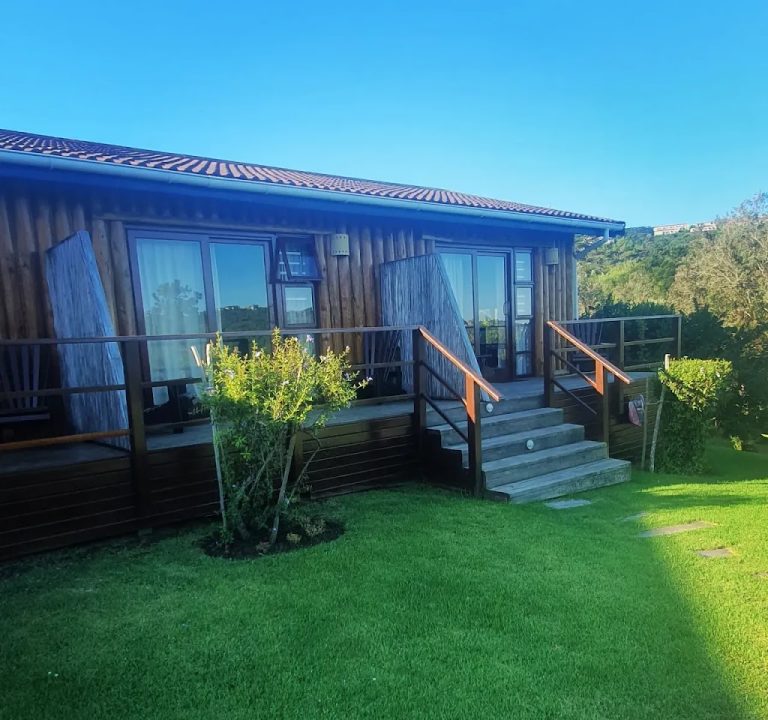
For visitors who enjoy a focal base with a sense of place, consider a guest house that balances privacy with attentive service. A well‑located option in Plettenberg Bay can help you structure days that combine beach, forest and town‑side activities. You might stay in a property with a garden or terrace for relaxed mornings, then plan day trips to broader Garden Route attractions such as nature reserves, protected beaches and panoramas along the coast. A thoughtful plan will also leave room for spontaneous moments—the sound of waves at dusk, a quiet riverside path, or a café curbside where you can observe daily life in one of South Africa’s renowned coastal towns.
One example of a thoughtfully positioned guest house in Plettenberg Bay is Piesang Valley Lodge. For further information and to view availability and location details, visit their official site at http://www.pvl.co.za/index.php/book-online.
- Consider booking near the beach or town centre for convenience and shorter walks to dining and shops.
- Look for properties with clear inclusions and transparent pricing.
- Verify parking availability and access to public transport or car hire.
- Pack appropriate layers for coastal weather and sun protection for day trips.