Plettenberg Bay Getaway: Accommodation, Attractions and Practical Planning
Plettenberg Bay, on the Western Cape’s Garden Route, offers a welcoming mix of coastal scenery, nature experiences and relaxed hospitality. Whether you favour a refined guest house, a cosy B&B, or a self-contained stay overlooking the ocean, the town provides a solid base from which to explore beaches, forests and the surrounding winelands. When planning a stay, think about where you’ll spend most of your time, how you’ll move around and what kind of pace you want for your holiday.
Areas to consider when choosing a place to stay hearten you with different atmospheres. The town centre puts you within easy reach of shops, cafés and the harbour, with short walks to beaches and the lighthouse. If you prefer breathtaking coastal views and closer access to nature, look for properties on the Robberg Peninsula or near the Robberg Nature Reserve. Those seeking a quieter or more exclusive setting often choose the Goose Valley area or lodges along the Marine Drive route, where you can wake to sea breezes and expansive horizons. For families or guests wanting self-catering, many guest houses offer suites with a small kitchen or kitchenette and, occasionally, private courtyards or balconies.
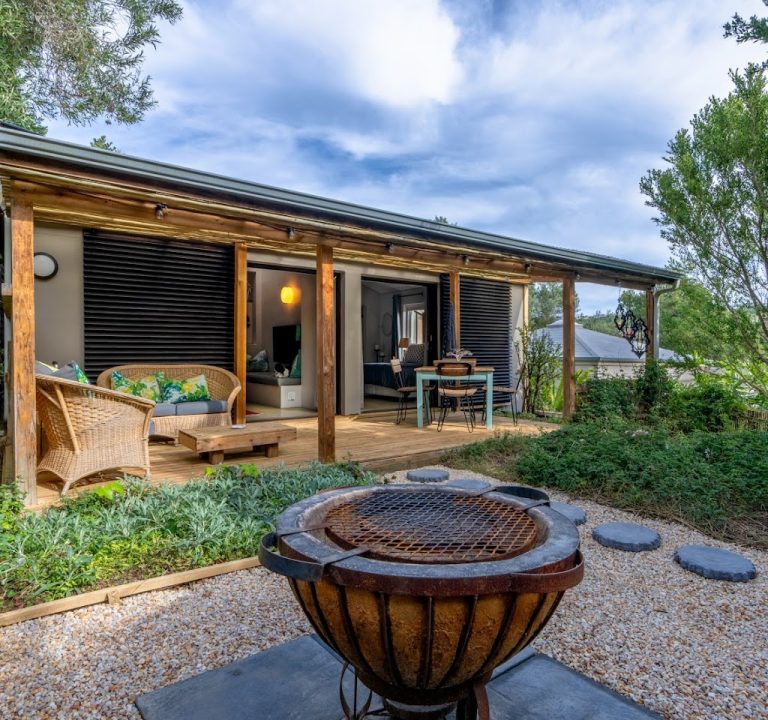
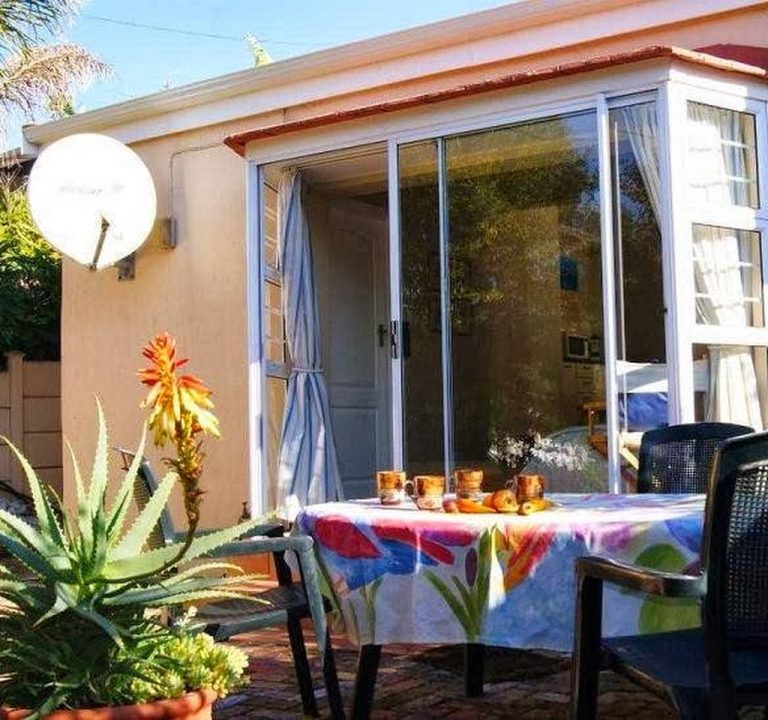
Typical amenities to look for when booking include en-suite bathrooms, reliable Wi‑Fi, a welcome breakfast, secure parking, and clear access to outdoor spaces such as verandas, balconies or gardens. Some establishments offer swimming pools, outdoor braai facilities, or guest lounges with honest, local information and maps. If you travel with a car, ensure on-site parking or easy street parking is stated in the listing. For longer stays, self-catering options can be convenient, but many guests still appreciate the social aspect of a hosted breakfast and the chance to swap tips with the hosts about restaurants and day trips.
Transport around Plettenberg Bay is straightforward but plan ahead. A car is the most convenient way to reach beaches, nature reserves, and several dining spots spread along and beyond the coast. There are local taxis and limited public transport, but schedules can be irregular, especially outside peak season. If you’re flying in, consider the closest airports: George or Port Elizabeth, with a road transfer to Plettenberg Bay taking about one to two hours depending on traffic and route. If you’re staying in a guest house near the town centre, you’ll often be within walking distance of beaches, shops and eateries, which can reduce reliance on a car for short stays.
What to book and when to go varies with interests. The town is lively year-round, but the climate changes your activities. The warmer summer months (roughly November to February) are ideal for beach days, offshore adventures, and boat trips along the coast. Autumn and spring bring milder weather and fewer crowds, which is perfect for hiking and exploring nature reserves without intense heat. Winter (June to August) brings cooler days and is a favourite for whale-watching from certain coastal viewpoints and guided coastal walks. If you’re keen on marine life or birding, check the seasonal windows for optimal experiences and moderate packing lists that cover sun and shade as well as a light rain layer for changeable weather.
Activities and attractions usually suit a range of interests. Gentle days might include relaxed beach strolls, a request for a guided coastal walk, or a visit to a nature reserve with rangers explaining local flora and fauna. For more active travellers, the area offers hiking trails, water-based adventures, and scenic drives along the coast. Dining in Plettenberg Bay covers a spectrum from casual eateries to more refined venues, with a focus on seafood, local produce and Afro-Indian influences common to the region. Rather than naming specific venues, look for eateries that emphasise fresh ingredients, generous portions, and warm, attentive service. Many guest houses and lodges also offer recommendations for day trips, wine-tasting routes and short excursions to nearby towns and viewpoints.
When it comes to planning practicalities, a few tips can smooth your stay. Booking ahead during peak holiday periods—especially late December and early January—helps secure rooms with the best views or preferred bed configurations. Check cancellation policies and whether the rate includes breakfast, housekeeping, and if there are any minimum-stay requirements. If you’re visiting with children or guests with accessibility needs, confirm room layouts, elevator access, and the availability of ground-floor options. For guests seeking a longer, more immersive stay, ask about package options that combine accommodation with guided day trips or nature excursions.
- Ask about breakfast options and dietary accommodations, especially if you prefer a light, continental offering or a fully cooked menu.
- Clarify parking arrangements and the proximity of parking to your room.
- Confirm Wi‑Fi reliability and whether it’s strong enough for work or streaming.
- Check if the booking includes access to outdoor spaces, such as a terrace or garden, that suit your plans.
- Seek host recommendations for safe beach days, local markets, and best sunset viewpoints.
Overall, Plettenberg Bay rewards visitors who balance time between relaxing by the sea and exploring the natural landscape. Whether you stay in a welcoming guest house with personal touches, a charming B&B with thoughtful details, or a small lodge that feels like a home away from home, your stay can be a gentle blend of comfort, discovery and easy-going South African hospitality. Plan with a flexible mindset, pack for changeable weather, and you’ll find Plettenberg Bay a satisfying base from which to savour the beauty of the Western Cape’s coastline.