Plettenberg Bay: Accommodation, attractions and planning your stay
Plettenberg Bay, on South Africa’s Western Cape coastline, offers a relaxed blend of golden beaches, forested hills and a coastline that shifts from sheltered coves to open surf. Whether you are seeking a cosy guesthouse, a boutique B&B or a self-catering lodge, the town provides a range of accommodation that can suit family breaks, couples’ escapes and longer hillside sojourns. Planning a stay here means considering which neighbourhood speaks to your preferred pace and access to activities, while keeping practicalities in mind for easy travel around the Garden Route.
Areas to consider when you book
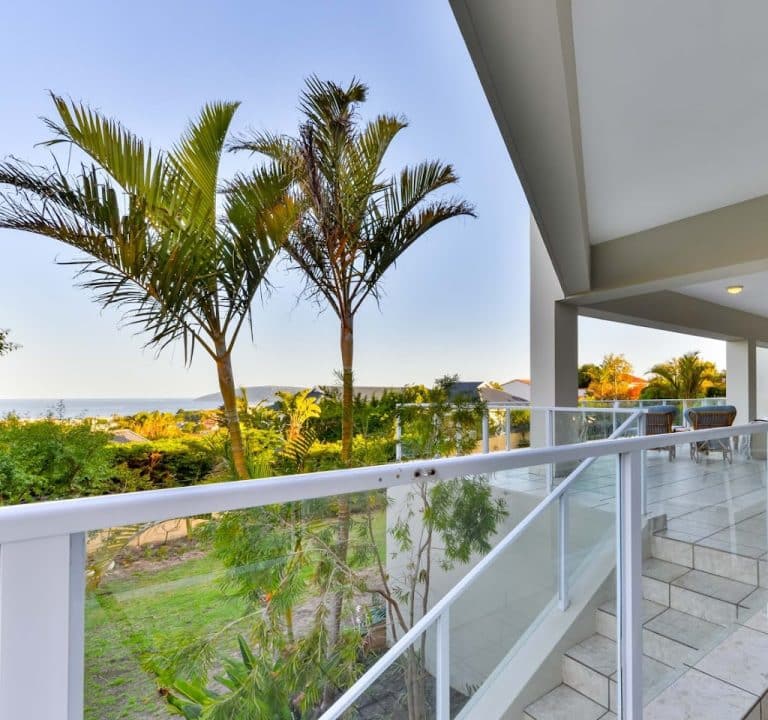
- Seasiders and beachfront stays: For the best access to long sandy stretches and morning walks, look for properties within a short stroll or easy drive to the main beach and harbour. Many guest houses in this area offer sea views, terraces or balconies where the sunrise can be enjoyed with a cuppa before a day of exploring.
- Town centre and hillside pockets: If you want walkable access to cafés, eateries and small shops, a stay near the town centre can be convenient. Some lodges and B&Bs are tucked into quieter streets a few minutes from the waterfront, offering a peaceful base with convenient links to day trips.
- Forest and nature access: Plettenberg Bay is fringed by pine and indigenous forest, with trails close by. A stay a little further from the coast can place you near nature reserves and woodland walks, typically in a tranquil setting with a touch more privacy.
What to look for when booking
- Room configuration and privacy: Families often favour suites or interconnecting rooms; couples may prefer a private balcony or a dedicated entrance. Check whether breakfast is included or if you can arrange a light self-catering option.
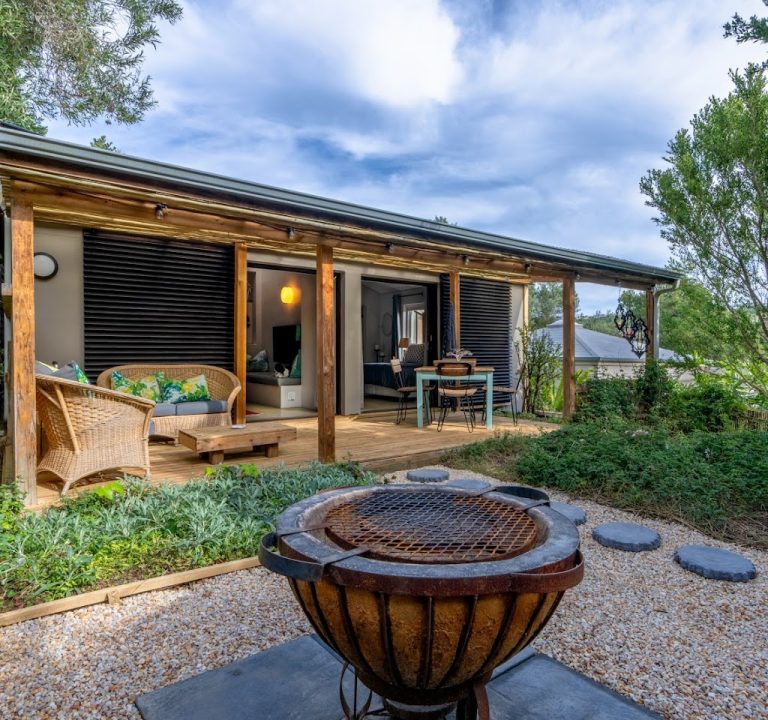
- Outdoor and shared spaces: A garden, pool, barbecue area or communal lounge can greatly enhance a stay, especially in warm weather when outdoor living takes centre stage.
- Accessibility and transport links: If you plan to rely on day trips, confirm parking availability and how easy it is to reach major routes or hire a vehicle. Some properties provide shuttle arrangements or information on local taxi services.
- Language of communications and guest services: Friendly hosts and clear information on local providers, such as guided walks or farm-stay experiences, can enrich your itinerary.
- Safety and hygiene: The usual checks apply—well-lit entrances, secure locks, and visible cleanliness standards. A well-maintained property often reflects attentive hosts who can offer practical tips for the area.
Typical amenities you might encounter
- Complimentary housekeeping, daily or on request
- En-suite bathrooms with quality towels, hairdryers and essential toiletries
- Tea and coffee facilities, sometimes a minibar or a small kitchenette
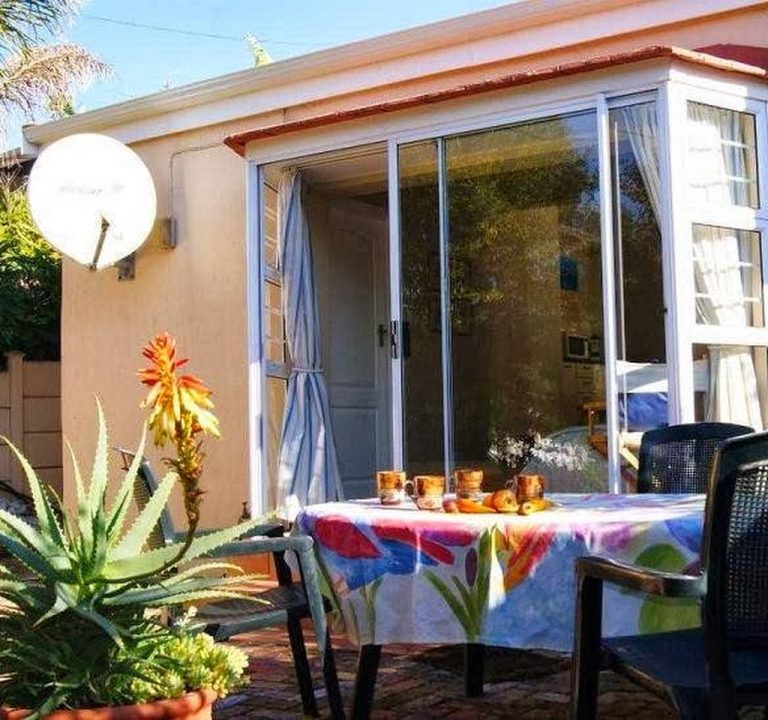
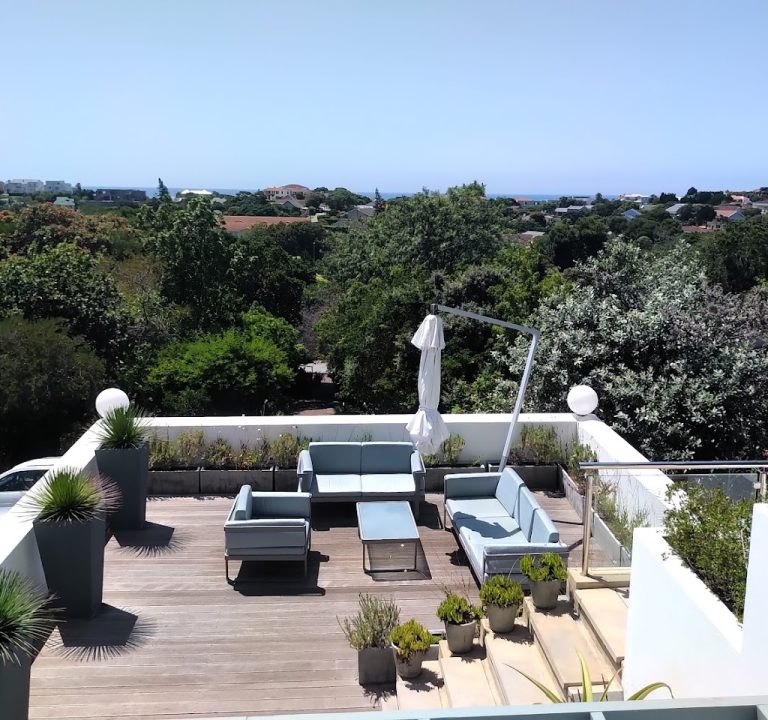
- Outdoor spaces such as verandas, patios or decks with seating
- Wi-Fi, parking, and in some places a swimming pool or hot tub
- Access to shared spaces like a guest lounge, library or dining room
- Information packs on local beaches, trails and activities
Transport and getting around
- Self-drive is common and practical for Plettenberg Bay, allowing you to explore at your own pace and access nearby towns and parks easily.
- Car hire is widely available at regional airports and in town; arranging this in advance can reduce wait times upon arrival.
- Public transport options are limited compared with larger cities, so many visitors rely on taxis, rideshare services or guided day trips.
- If you plan hikes or nature activities, check whether your accommodation offers guidance or shuttle arrangements to trailheads.
Best time to visit
- Peak season runs in the Southern Hemisphere summer, with warmer days and longer spells of sunshine, ideal for beach outings and water activities.
- Shoulder seasons offer quieter streets, lower rates and still-good weather for outdoor exploration, including coastal walks and forest trails.
- Winter in Plettenberg Bay brings cooler days with fewer crowds, which can be pleasant for scenic drives, wine routes inland and wildlife experiences that are less busy.
- Always consider sea conditions if you are planning activities on or near the water; local operators provide up-to-date guidance on safety and suitability.
Practical travel tips
- Reserve accommodation with flexible booking terms in peak periods to accommodate any changes in travel plans.
- Pack adaptable clothing for varied weather, including sun protection and a light layer for cooler evenings.
- Bring or rent a good map or use a trusted navigation app to explore the Garden Route’s coastal towns and inland routes.
- Respect the environment: use designated paths for walks, dispose of rubbish properly and follow local guidelines at nature reserves.
- Consider a mix of activities: a couple of beachfront days, a forest walk, a boat or kayak outing, plus a day visiting nearby markets or scenic viewpoints.
Activities and dining in general terms
Plettenberg Bay offers opportunities to enjoy long days at the beach, coastal hikes with panoramic views, and boat-based or land-based wildlife experiences that showcase the area’s marine and terrestrial habitats. Dining in Plettenberg Bay tends to centre on fresh seafood, farm-to-table produce and cosmopolitan choices, with several intimate venues and casual eateries that suit a relaxed holiday rhythm. For a broader sense of the locality, see Plettenberg Bay’s official tourism pages for highlights, itineraries and restaurant suggestions.
If you are organising a stay in Plettenberg Bay, a well-chosen guesthouse or lodge can feel like a home from home, balancing creature comforts with easy access to beaches, wildlife encounters and the scenic surrounds that make this part of the Western Cape so appealing. For more inspiration and practical ideas, you can visit the Plettenberg Bay tourism site at https://www.plett.co.za.