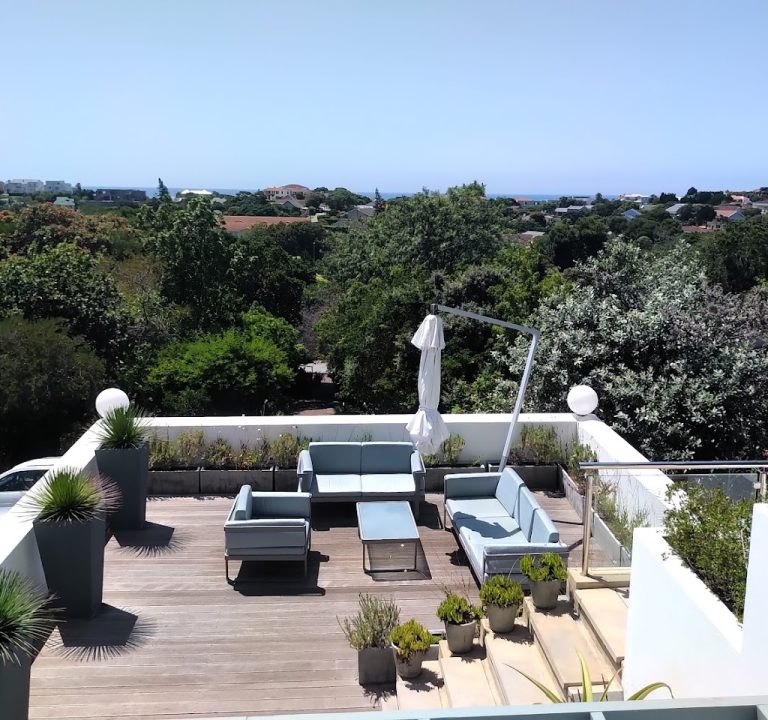
Plettenberg Bay: Where to stay, what to seek, and how to make the most of your visit
Plettenberg Bay, on the sunny south coast of the Western Cape, blends golden beaches, rugged coastal scenery and a relaxed, outdoorsy vibe. Whether you are seeking a boutique guesthouse, a family-friendly seaside stay, or a lodge with easy access to nature reserves, the town offers a range of options that suit different budgets and travel styles. Planning ahead helps you narrow down districts, refine the style of accommodation you prefer, and time your activities to the tides and prevailing weather.
When choosing where to stay, consider the character of each area. The central beach area is ideal for easy seaside strolls, close proximity to shops, and quick access to seawater activities. Robberg Peninsula and the adjacent nature reserve offer dramatic coastal trails and seal-watching viewpoints, making it a popular choice for walkers and wildlife lovers. Goose Valley and the surrounding bays provide water-sport access and a quieter residential feel, often with quieter beaches and more space to spread out. If you’re travelling with family, look for properties with child-friendly facilities, or self-catering apartments that provide flexibility for mealtimes and downtime between outings.
Key amenities to look for include reliable Wi‑Fi, secure parking, comfortable bedding, and clear information on on-site facilities (pool, barbecue areas, communal lounges). If you prefer a more personalised stay, small guesthouses and boutique lodges often offer host recommendations for day trips, tide tables, and restaurant reservations. For those with specific needs, check accessibility features, elevator access, and ground-floor rooms. A crossover option is a guesthouse that pairs comfortable rooms with a light breakfast and local knowledge, helping you orient yourself quickly after arrival.
Transport in Plettenberg Bay is straightforward but benefits from a car. The town is spread out enough that walks and short taxi rides are feasible in the immediate town centre, yet many attractions—such as the Robberg Nature Reserve, local game reserves and coastal viewpoints—are best reached by vehicle. If you arrive without a car, look for accommodation within easy reach of the main road network and consider arranging a private transfer or guided day trips through your host or a reputable operator. For longer stays, a hire car gives you the flexibility to explore the nearby Garden Route towns and beaches at your own pace.
Best time to visit Plettenberg Bay depends on your priorities. The summer months (approximately November to February) bring warm sea temperatures, long days and calmer conditions for beach activities and kayaking. Winter (May to August) is cooler and can be misty, but it offers quieter beaches and excellent wildlife-watching opportunities along the coast and in nearby reserves. The shoulder seasons—spring and autumn—often provide pleasant weather, fewer crowds and good value accommodations. If sea-life is a highlight, you may encounter seasonal highlights such as whale watching or seal colonies at certain times of year, so it’s worth checking local activity calendars before you book.
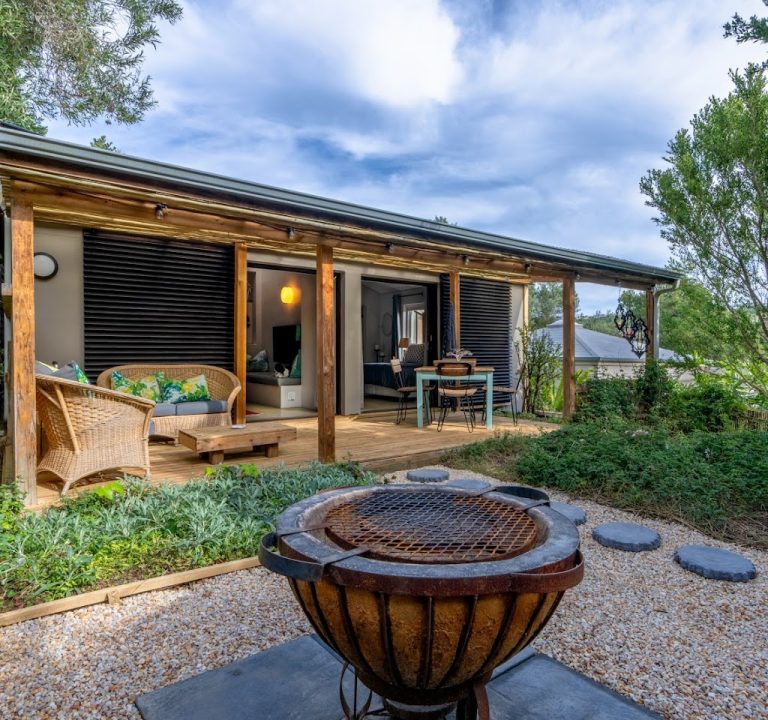
Accommodation in Plettenberg Bay ranges from intimate guesthouses to modern boutique hotels and self-catering lodges. A well-regarded example in the guesthouse category is Acadia Bed & Breakfast, which blends hospitality with a coastal mood and easy access to both beaches and forest trails. You can explore more about such properties and plan your stay via their online presence: Acadia Bed & Breakfast.
On arrival, you’ll likely want to mix restful days with light adventure. For beaches, choose zones with lifeguard presence during peak season and respect local signage regarding currents and marine life. Guided nature walks in the Robberg Nature Reserve provide a balance of scenic coastal views and wildlife spotting, while boat-based excursions and sea kayak trips offer different perspectives on the bay. If you enjoy animals and outdoor experiences, a safari-day trip or a visit to a nearby wildlife sanctuary can be a rewarding addition to your itinerary, even if booked as a half-day excursion from your base.
Dining in Plettenberg Bay spans casual coastal eateries to more polished venues. In general terms, you’ll find menus featuring fresh seafood, grilled meats, and light Mediterranean-inspired dishes, with opportunities to enjoy sunset meals by the sea. Many properties can arrange restaurant reservations or provide local recs to suit dietary preferences, whether you crave a relaxed bite with a view or a more formal dining setting. If you’d like to explore options on your own, a short listing of general categories—seaside cafés, family-friendly restaurants, and elegant dining spots—will help you shape a flexible plan that matches your pace.
Practical planning tips:
- Book early for peak seasons, especially if you prefer a specific area such as near the beach or close to the Robberg trailhead.
- Pack layers for variable coastal weather and a light waterproof for late-afternoon sea breezes.
- Bring sun protection and hydration gear for long days outdoors, even in milder weather.
- Check cancellation policies and whether your chosen accommodation offers flexible options in case itineraries shift.
- Ask your host for local tips on scenic routes, tide times, and family-friendly activities to maximise your stay.
With its approachable mix of beach accessibility, nature-based activities, and relaxed dining scenes, Plettenberg Bay makes for a rewarding South African coastal escape. Whether you choose a boutique guesthouse, a family-friendly lodge, or a self-catering option, planning around the geography of the area and the rhythm of the coast will help you get the most from your visit.