Durban, KwaZulu-Natal: Accommodation, Attractions and Practical Planning for a Traveller-Friendly Stay
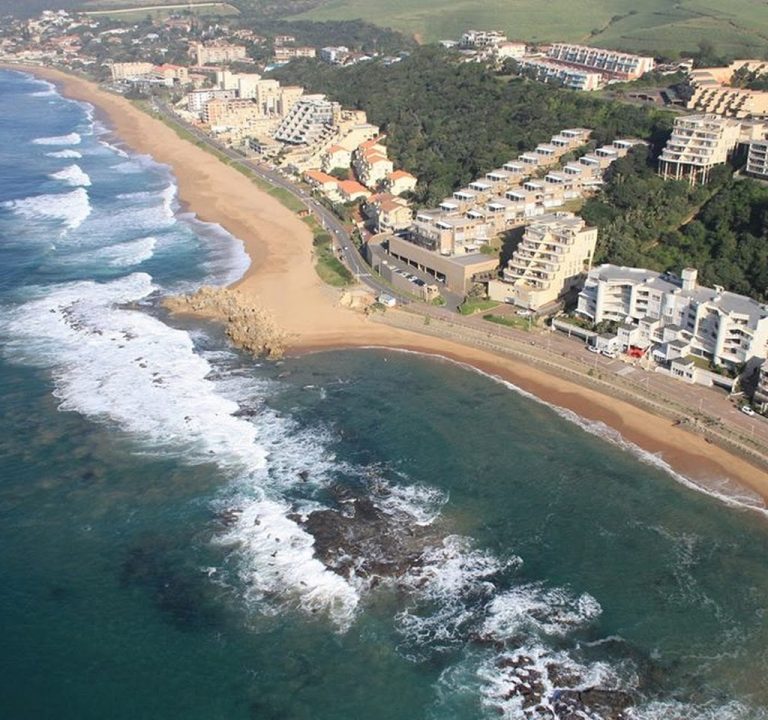
Durban is a vibrant coastal city in KwaZulu-Natal that blends warm Indian Ocean beaches with lush hinterland scenery and a diverse cultural scene. When planning a stay, consider choosing a location that suits your pace and interests, as each neighbourhood offers a distinct character. From beachfront stays along the Golden Mile to leafy guesthouses in upmarket districts, Durban provides a range of options for different budgets and travel styles.
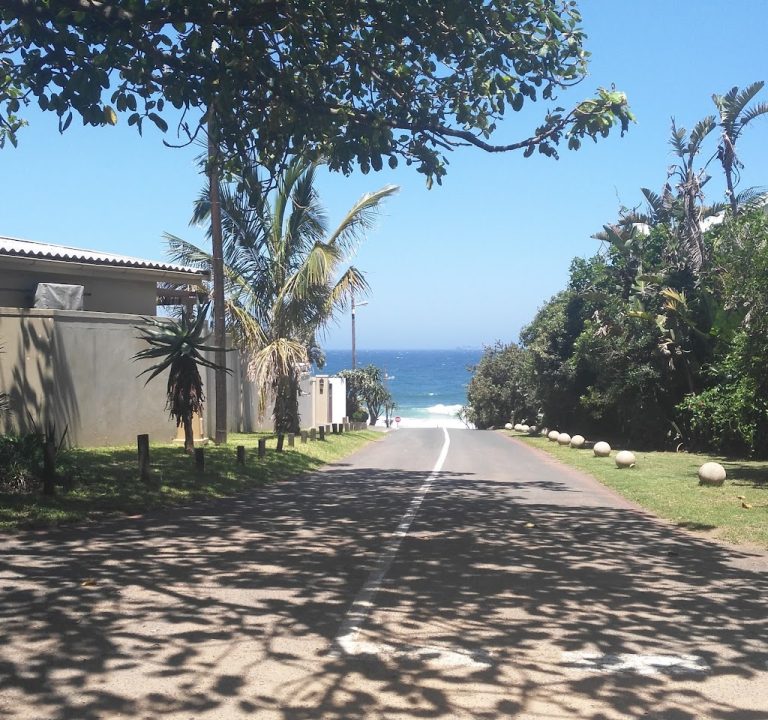
Areas to consider for accommodation include coastal pockets where you can wake to sea breezes and easy access to beaches, while inland zones offer convenient access to urban amenities, parks and family-friendly attractions. If you want a lively mix of restaurants, markets and nightlife, a location closer to the central suburbs can be convenient. For a quiet retreat with garden or pool space, look to guesthouses in residential neighbourhoods a short drive from the shore.
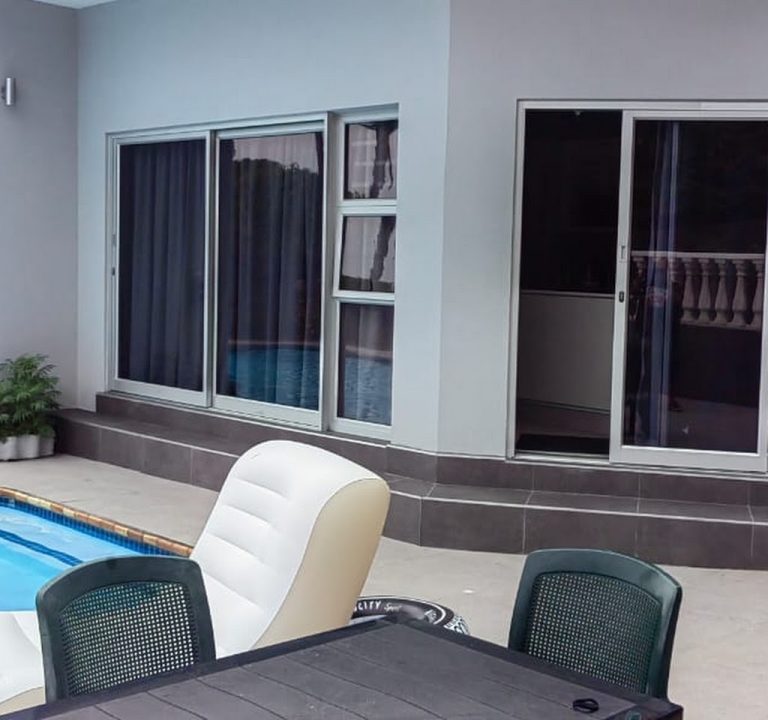
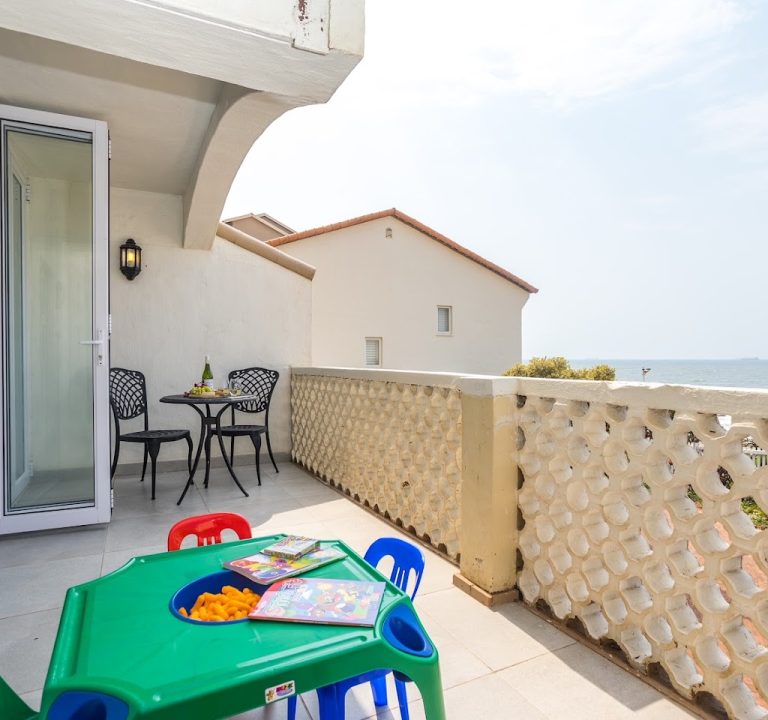
Typical accommodation types in Durban range from guesthouses and B&Bs to boutique hotels and self-catering apartments. When booking, prioritise one or two core needs such as proximity to the beach, available parking, or a strong Wi‑Fi connection for work or streaming. Look for guest houses or small hotels that clearly publish guest-focused amenities, such as secure parking, air conditioning or fans, blackout curtains for light-sensitive rooms, and on-site breakfast options. If you are travelling with family, note properties that offer family rooms or self-catering facilities. Some establishments highlight pool or garden spaces, which can be a pleasant feature during the hotter months.
Transport in Durban is varied. Many travellers rely on rental cars to explore the wider KwaZulu-Natal region, while others use rideshare services, taxis, or local bus routes for shorter hops. Check whether your choice of accommodation offers on-site parking or a shuttle service, and consider the distance to the city’s major attractions or the beach. If you plan day trips to the nearby hills or nature reserves, a car will give you flexibility, but for a beach-forward stay, a property in or near the Golden Mile can reduce transit time and increase the amount of time you have for relaxation.
Best time to visit Durban tends to be in the drier, milder months of spring and autumn, roughly from late March to May and from August to November. These periods can offer comfortable temperatures for beach days and outdoor exploration, with fewer tropical rain showers than in the peak summer months. If you enjoy festive events and warm sea swimming, the summer season has its appeal, though it can be more humid and rainy at times. Pack light layers, sun protection, a hat, and a light rain jacket for occasional showers.
When planning an itinerary, you can combine a seaside base with day trips to nearby sights. For a coastal stroll, you’ll find long stretches of promenades, palm trees, and cafes along the beachfront. South Africa’s maritime heritage and modern culture sit alongside shopping precincts where you can browse markets or pick up gifts. Family-friendly and culture-focused activities sit alongside opportunities to sample regional cuisine in a range of settings, from casual eateries to more refined dining options.
Here are some practical tips to help you plan a smoother Durban stay:
- Check access to shade and cooling features in your room, especially if you are visiting in the warmer months.
- Confirm air conditioning or ceiling fans, and request extra blankets if you are staying in shoulder-season nights when air temperatures cool.
- Ask about kitchen or tea/coffee facilities if you prefer self-catering options or early breakfasts before day trips.
- Ask about safety considerations in the area and whether the property provides secure parking or a recommended nearby car park.
- Consider a property with an outdoor space or pool if you plan to spend long days near the coast or in the garden during warm days.
Durban offers a wide range of attractions and experiences without requiring a long commute from most central locations. General highlights include the city’s beaches and vibrant promenade, family-friendly waterfront attractions, shopping and markets with African-inspired crafts, and a growing scene of contemporary eateries. While you can research specific venues in advance, many travellers enjoy wandering through areas with a mix of casual eateries, traditional South African fare, and modern cafés, complemented by views of the sea or green hillside landscapes. For a longer stay, you might consider combining your accommodation with a guided tour or local experiences that showcase the region’s culture and natural beauty.
One example of a traveller-friendly option is a guest house known as Place by the Pool, a characterful property described as a guest house experience. It sits within a setting that can offer a relaxed atmosphere, suitable for guests seeking a comfortable base from which to explore Durban. More information and updates about such stays can often be found via their social presence or booking pages. For inspiration and visual snapshots, you can explore the guest house’s online profiles at https://instagram.com/holidaytimeshare?utm_medium=copy_link
With careful planning, Durban can offer a balanced stay that blends beach days, cultural exploration and comfortable rest. By choosing the right neighbourhood, confirming essential amenities, and leaving some room for spontaneous discoveries, your Durban visit can be both enjoyable and well organised.