Durban, KwaZulu-Natal: Accommodation, Attractions and Practical Travel Tips
Durban offers a warm, coastal welcome with a mix of guesthouses, boutique hotels, and self-catering options that suit a range of travellers from families to solo explorers. When planning a stay, consider districts that align with your pace and priorities—beachfront leisure, cultural immersion, or easy access to parks and wildlife reserves. A well-chosen base can make the most of Durban’s subtropical climate, vibrant cuisine, and approachable transport network.
Accommodation in Durban ranges from intimate B&Bs and guest houses to larger hotels and contemporary apartment stays. A guest house near the beachfront or the city centre can provide a cosy, personalised experience, while larger hotels offer on-site dining, spa facilities, and organised activities. For families or longer stays, self-catering apartments or serviced flats in quieter neighbourhoods offer flexibility and space. When choosing where to stay, think about how you’ll get around. Durban has a growing public transport network, complemented by ride-hailing apps and traditional minibus taxis. If you plan day trips to outlying nature reserves or hillside viewpoints, a central location with reasonable access to main roads can save time and reduce travel stress.
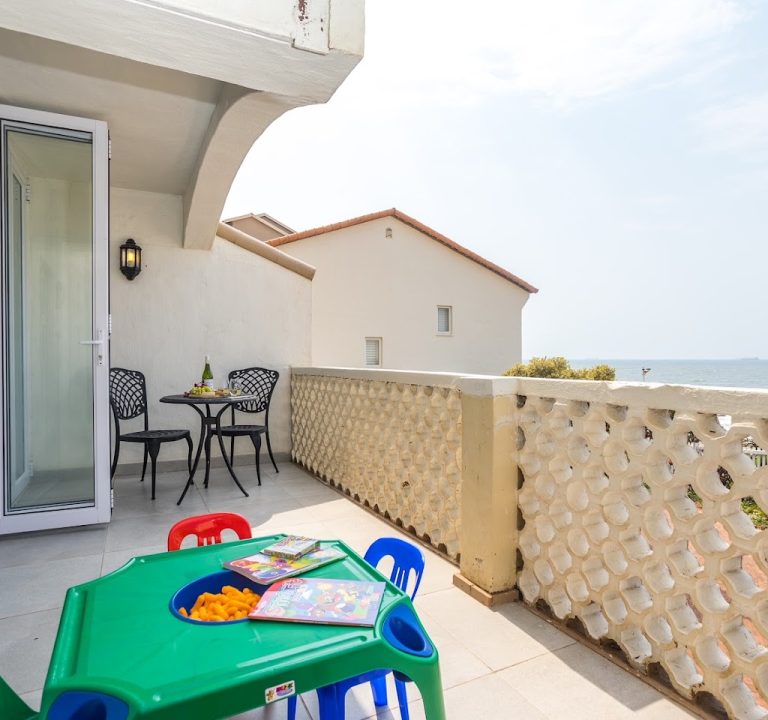
Two broad areas for visitors are the beachfront precinct and inland neighbourhoods with lush residential character. The beachfront is lively, with promenades, easy access to the sea, and a range of casual dining options. Inland areas provide a different flavour: more residential calm, tree-lined streets, and opportunities to explore markets, arts spaces, and local eateries. When booking, check practical details such as noise levels, parking availability, and whether the property offers breakfast or self-catering options. If you’re visiting during peak season, look for properties with flexible cancellation policies and clear information on check-in procedures.
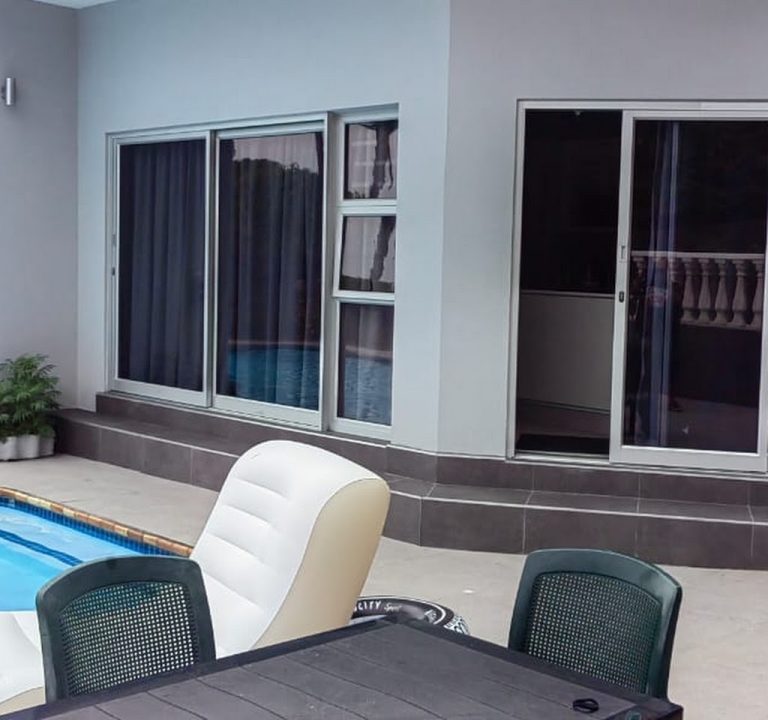
Typical amenities worth noting include reliable air conditioning or fans for Durban’s warm months, free Wi‑Fi, secure parking, and a convenient kitchenette or breakfast service. A comfortable bed, quality linens, and adequate en-suite facilities can substantially improve rest after day trips. Some properties may offer extras such as a pool or outdoor seating area, laundry facilities, and curated local information from hosts about attractions, markets, and restaurant recommendations. When assessing value, balance nightly rate with included features and location, rather than focusing solely on price.
Transport in Durban is generally straightforward. If you’re planning multiple day trips—from sea-facing beaches to nature reserves or hillside viewpoints—consider renting a car for maximum flexibility. For shorter hops or city sightseeing, ride-hailing apps are convenient, and the MyCiti bus network provides affordable public transport linking popular zones. Always verify secure parking if you’re driving, and inquire about access to taxis or airport transfers through your accommodation if needed.
The best time to visit Durban depends on what you want from your trip. The city enjoys a warm climate most of the year, with humidity and afternoon showers more common in the summer months. For beach days, late spring through autumn is popular, but shoulder seasons often bring lighter crowds and pleasant temperatures. If you’re seeking outdoor adventures such as hill viewpoints, nature walks, or wildlife experiences nearby, plan around the local weather forecast and seasonal events. Remember to pack sun protection, a light rain layer, comfortable footwear for urban and outdoor exploring, and a reusable water bottle to stay hydrated during warm days.
Practical planning tips:
- Read recent guest reviews to gauge current conditions, including cleanliness and responsiveness of hosts or staff.
- Check proximity to transport options and planned activities to minimise daily travel time.
- Confirm what meals are available and whether you’ll need to budget for additional dining out.
- Ask about safety and security features, especially if staying in apartment-style or street-front properties.
- Look for flexible booking options and clear check-in instructions, particularly outside peak seasons.
- Review local etiquette and dress codes for cultural sites and neighbourhoods you plan to visit.
Durban offers a broad mix of experiences that suit varied interests. Coastal walks along a vibrant promenade can lead to informal eateries serving Durban’s characteristic curries and grilled seafood. Inland, markets, crafts, and neighbourhood cafés offer a more leisurely pace alongside opportunities for authentic, unpretentious dining experiences. In broad terms, you’ll find comfortable, well-located accommodation that acts as a gateway to both serene coastal moments and the city’s cultural rhythms. For more inspiration, local tourism information and official city resources can help you tailor a stay to fit your priorities, whether your focus is beach time, family-friendly activities, or discovering South Africa’s rich coastal heritage. For planning ideas and practical details, you can explore official travel resources and visit-suggestions online.