Durban: accommodation and planning your stay in KwaZulu-Natal
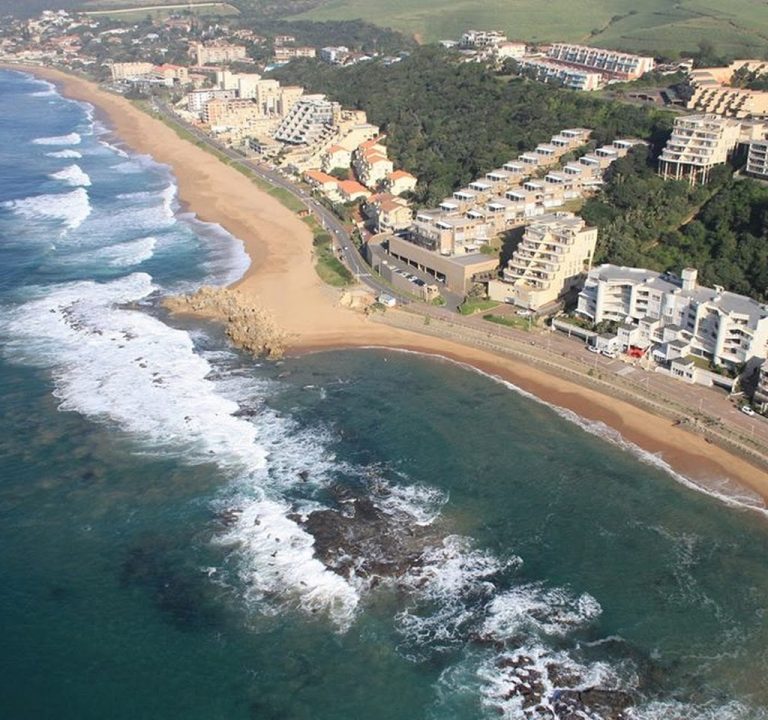
Durban offers a vibrant mix of coastal splendour and urban convenience, making it possible to tailor a stay to almost any travel style. When choosing where to base yourself, consider nearby beaches, access to public transport, and the kind of neighbourhood atmosphere you prefer. The stretch along the Golden Mile is popular for first-time visitors, offering easy access to sea views, promenades, and family-friendly entertainment. For a more relaxed, residential feel with leafy streets and proximity to universities or galleries, parts of the Berea or Glenwood can be ideal. If you’re after a modern, resort-like base with straightforward beach access, Umhlanga Rocks and its surrounding area are well connected to airports and major routes.
Typical accommodation options range from guest houses and boutique B&Bs to mid-range hotels and self-catering apartments. In Durban, many properties put a premium on generous communal spaces, secure parking where possible, and breakfast options that showcase local flavours. Look for hosts or managers who are happy to share practical tips about car parking rules, best routes to popular sights, and recommendations for offbeat dining. If you’re travelling with family or a group, a self-contained apartment or a villa-style guest house can be more economical and comfortable than booking multiple hotel rooms.
When planning your stay, think about what you want to do each day. If you intend to spend long days at the beach or exploring the coast, you’ll benefit from a property within walking distance to the sea or with easy access to reliable transport links. For culture, nature, and food experiences, you might prefer a central base with quick drives to museums, markets, and neighbourhood eateries. Durban’s central districts are well served by local taxis and ride-hailing apps, while longer trips along the coast or to inland attractions are usually most convenient with a car. If you don’t have your own transport, check that your chosen accommodation provides airport transfers or can arrange affordable local transfers.
What to look for when booking a room or apartment:
- Clear information about access and security, including safe on-site parking and easy entry procedures.
- Reliable neighbourhood safety and walkability, especially if you plan evening strolls along the promenade or city streets.
- Four-season comfort: air conditioning or good ceiling fans, heating for cooler nights, and reliable hot water.
- Kitchen facilities or, at minimum, a tea-and-coffee setup and a proper breakfast option if you prefer self-catering flexibility.
- Clear cancellation terms and timely communication from the host or manager.
- Accessible information about local transport options, routes, and travel times to 주요 sights.
Amenities commonly found in Durban accommodations include free Wi‑Fi, housekeeping schedules, laundry facilities, and communal lounges. Some guest houses also offer curated experiences, such as guided walks, market tours, or regional culinary introductions. When booking, it’s worth noting whether breakfast is served on-site, what it comprises (for example, fruit, breads, and cooked options), and whether there are any dietary accommodations.
Best time to visit Durban depends on your priorities. The city enjoys a subtropical climate with warm summers and mild winters. The dry season (roughly May to August) is often a favourite for outdoor activities and whale watching along the coast. Summer can be hot and humid, with occasional heavy afternoon thundershowers. If you’re planning outdoor adventures like nature reserves, botanical gardens, or coastal drives, shoulder seasons can offer pleasant weather and fewer crowds. Always check local event calendars, as Durban hosts cultural festivals and street markets at various times of the year that can enrich your stay.
Getting around: Durban has a mix of public transport and road options. The MyCiTi bus network covers many tourist areas, including the city centre, the beachfront, and some northern coastal suburbs. Taxis and ride-hailing services are widely available, though peak travel times can mean busier streets and longer wait times. If you’re staying in a beachside area, being able to walk to the promenade reduces the need for frequent car use. For day trips to nearby attractions, a rental car offers the most flexibility, though professional drivers and guided tours can be convenient if you prefer not to drive.
Facilities and practical tips:
- Book well in advance for peak periods like school holidays and major events, especially if you want specific areas such as Umhlanga or the beachfront.
- Read guest reviews for notes on air quality, sound levels, and whether rooms are quiet at night, which can be important in busier parts of the city.
- Pack sunscreen, a light rain jacket, and comfortable walking shoes; Durban’s beaches and parks are best explored on foot when weather cooperates.
- Respect local etiquette and safety guidelines, particularly when exploring nightlife districts or late-evening markets.
- For inspiration on activities, consult official tourism resources for balanced ideas about beaches, gardens, nature reserves, and culinary experiences.
Durban offers a breadth of experiences beyond the coast: mangrove boardwalks, hillside viewpoints, and markets where you can sample regional foods and crafts. When planning your visit, consider pairing a few nights by the sea with a stay in a compact, well-connected guest house or boutique hotel in town. This combination helps you enjoy the beaches, discover the city’s heritage and cuisine, and return to comfortable surroundings that make it easy to recharge for the next day’s adventures.
For more ideas on places to visit and practical planning resources, you can explore the official Durban and KwaZulu-Natal tourism information online. These sources provide background on sights, routes, and seasonal highlights to help you shape a balanced itinerary. See also the broader South African tourism network for additional tips and suggestions. KwaZulu-Natal Tourism and South Africa Tourism offer guidance on regional attractions, dining concepts, and traveller-friendly experiences.