Durban: A Traveller’s Guide to Accommodation, Attractions and Practical Planning
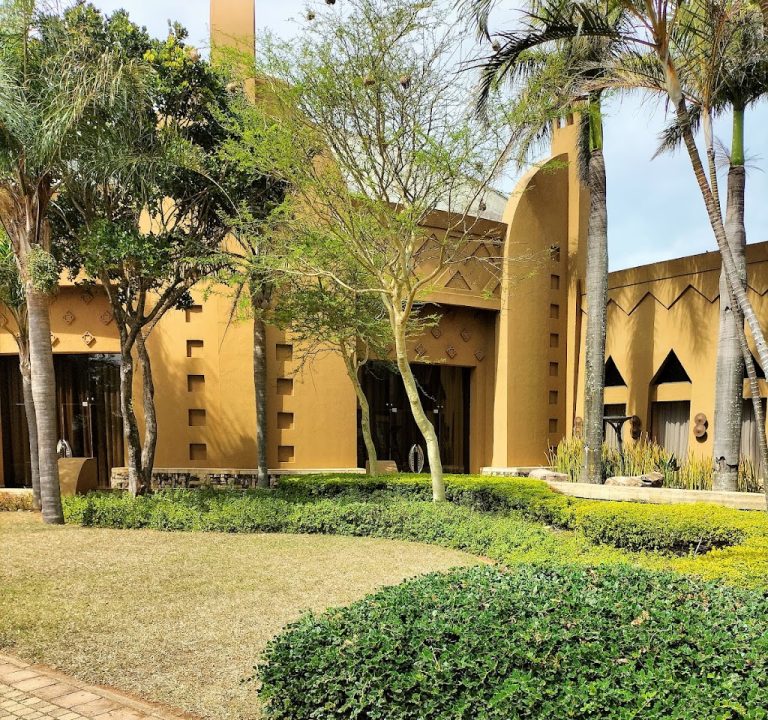
Durban, on South Africa’s KwaZulu-Natal coast, blends warm Indian Ocean beaches with subtropical flavour, vibrant markets and a dynamic dining scene. When planning a stay, travellers often balance beachfront stays with inland access to the city’s cultural neighbourhoods and natural escapes. Durban offers a range of accommodation to suit different budgets and styles, from boutique guesthouses to mid‑range hotels and full-service options with sea views. One well‑positioned example is Royal Sibaya Hotel, which provides contemporary rooms and direct access to leisure facilities and conferencing amenities. For visitors exploring on a budget or seeking a quieter base, there are guesthouses and smaller hotels nestled in residential districts that still offer easy access to beaches and the city’s attractions.
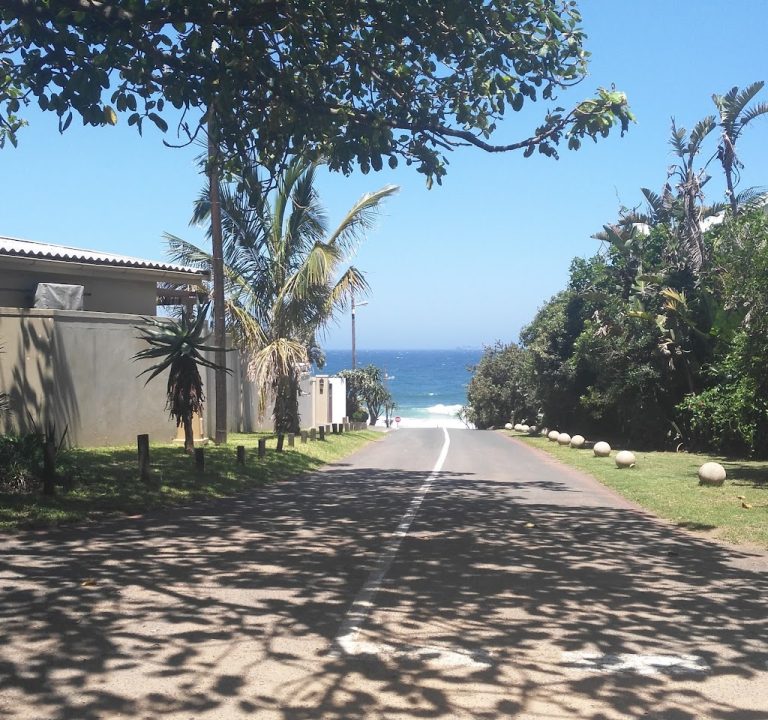
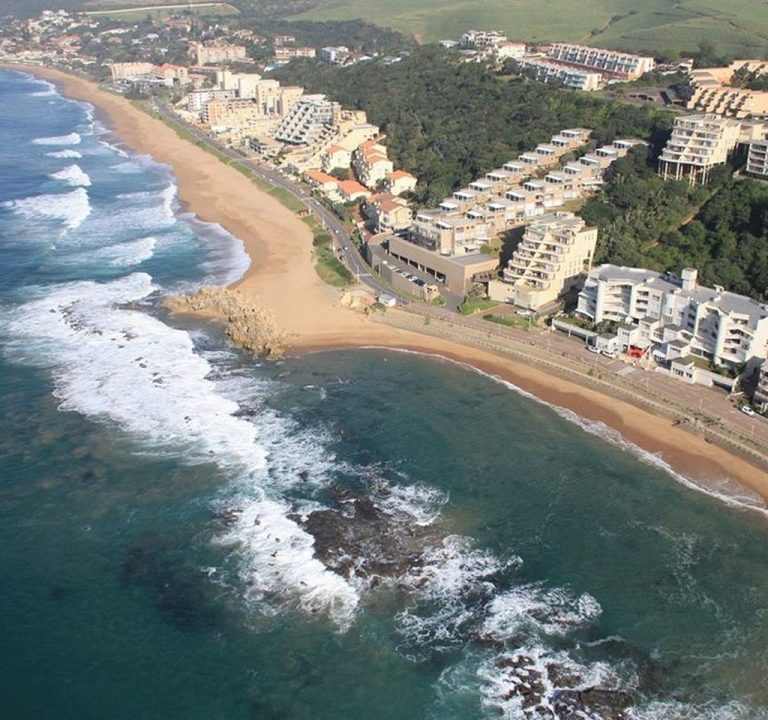
Where to stay is often guided by how you plan to spend your days. The Golden Mile and North Beach are popular options for sunbathers and casual walkers, while the central city and Berea offer convenient access to cultural sites, markets and dining. If you prioritise proximity to nature and hiking, the inland hills and valley routes provide leafy retreats within a short drive of the coast. When choosing a neighbourhood, consider proximity to a reliable transport option, predictable Wi‑Fi, a good breakfast, and on‑site parking if you plan to hire a car. Durban’s climate is generally warm and humid for much of the year, with a wetter season in the summer months; planning around the weather can help you make the most of outdoor days and outdoor dining.
- Near the beachfront for easy sand and sea access
- City‑centre or Berea for museums, markets and dining variety
- Suburban guesthouses with garden settings for a calmer stay
- Family‑friendly properties with pools or kid‑safe spaces
What to look for when booking is not limited to price. Check room layouts and bed configurations, especially for families or groups. Confirm whether the property offers private parking, 24‑hour reception, and good security features. If you rely on public transport, look for locations near bus routes or the main commuter hubs. A few properties include shuttle services to popular beaches or city attractions, which can be a useful perk. For those who enjoy self‑catering, many apartment‑style stays provide kitchen facilities and lounge areas, which can help stretch budgets during longer visits. If wellness or leisure is important, ask about on‑site facilities such as a pool, fitness room, spa, or access to outdoor spaces.
Typical amenities across Durban’s accommodation mix include air‑conditioning or ceiling fans, reliable hot water, and private bathrooms. Wi‑Fi quality varies, so it’s worth reading recent guest reviews for real‑world expectations. Many places offer breakfast either included or available as an add‑on, and a growing number of properties provide sustainable or locally inspired dining options within walking distance. If you’re travelling by car, confirm whether there is on‑site parking or secure street parking, and whether there are any local parking restrictions to be aware of.
Transport around Durban is straightforward but can be busy at peak times. A car offers maximum freedom to explore both the coast and the inland landscapes, though Uber‑style ride apps and local taxis are common. For shorter hops, pedal‑power and walking are perfectly feasible in well‑soaked urban areas, and some hotels sit on easy bus routes to major sights. If you plan to reach the coast for a day on the beach or a visit to a waterfront precinct, factor in tides, weather, and wind direction, which can affect beach conditions. For longer visits, a pre‑planned itinerary that groups nearby attractions helps optimise travel time and minimise backtracking.
The best time to visit Durban is subject to personal preference, but many travellers favour the drier, cooler months from late autumn to early spring for outdoor activities and more comfortable beach days. Summer brings warm seas and lush greenery, with occasional tropical showers. Shoulder seasons can offer lower rates and quieter attractions while still presenting plenty of sunny periods for outdoor dining and market strolls. If you’re visiting for specific events, check the local calendars in advance to align your stay with markets, music, or sporting occasions.
Attractions and experiences in Durban commonly fall into several categories. Beach promenades and water‑based activities, big‑city cultural heritage venues, colourful markets, and botanical or nature reserves sit alongside family‑friendly entertainment zones and coastal restaurants. Even without naming particular venues, you can plan a balanced itinerary that includes a seaside morning, a mid‑day café or market visit, and an afternoon stroll through a historic district or waterfront precinct. For dining, Durban’s culinary scene ranges from casual beachfront cafés to contemporary eateries showcasing local flavours, with emphasis on fresh seafood, curries, and African‑influenced dishes.
Practical tips for a smooth stay include booking in advance for peak periods, reading recent guest feedback, and confirming cancellation terms. Pack light, breathable clothing for the heat, plus a light rain jacket if visiting during the wetter months. Bring sun protection and hydration for long days outdoors, and plan activities with built‑in rest periods to avoid fatigue. For guests with mobility considerations, verify lift access and level routes within hotels, and inquire about ground floor or accessible rooms when booking. Finally, keep a flexible attitude: Durban’s charming mix of warm hospitality, urban energy and natural beauty rewards spontaneous explorations and well‑timed downtime alike.
For more information on accommodation and planning a Durban stay, you can explore options and guest reviews at hotel and accommodation websites, or visit the official pages for specific properties such as Royal Sibaya Hotel at their dedicated site: https://royalsibayahotel.hotelonia.com/