East London, Eastern Cape: where accommodation meets coast, culture and coastal adventures
East London in the Eastern Cape is a recipient of sunshine, surf and a laid‑back hospitality scene. The city is well‑placed for outdoor breaks, with kilometres of shoreline, forested valleys and convenient access to the regional garden routes. When planning a stay, visitors usually weigh a mix of location, type of accommodation and transport links to build a stay that feels effortless and authentic. Whether you favour a traditional B&B, a cosy guesthouse, a small hotel or a self‑catering lodge, there are plenty of options to suit different budgets and travel styles.
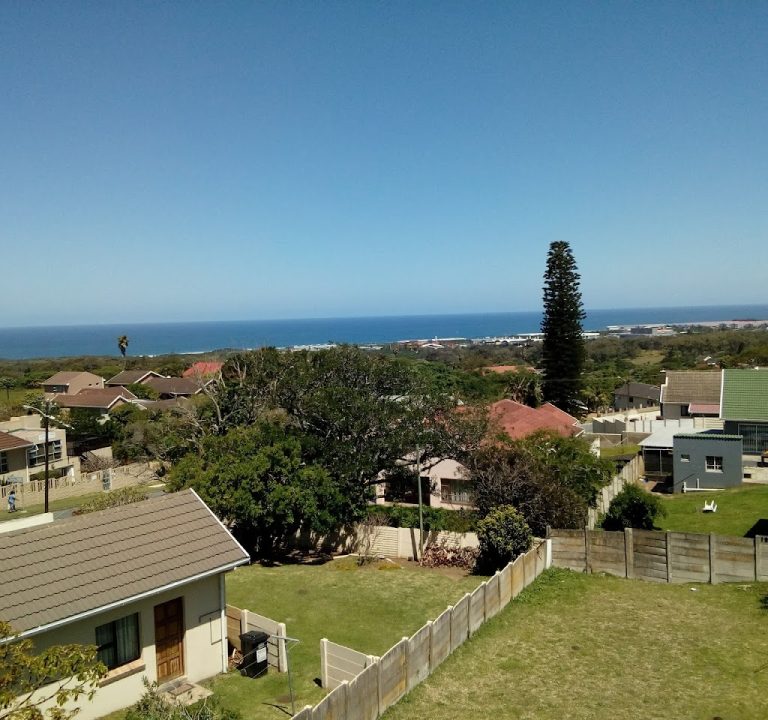
Areas to consider include the Esplanade and beachfront precinct, where many guesthouses and boutique hotels enjoy sea views and easy access to the promenade. The commercial heart around the city centre offers a convenient base for those who want quick access to shops, cafes and business facilities, while suburbs such as Gonubie and Beacon Bay provide quieter residential settings with family‑friendly appeal and straightforward car access to the coast. Nahoon and Beacon Bay are popular for their proximity to beaches and recreational spaces, while East London Airport provides a practical link for travellers arriving by air or for quick getaways to the coast.
Typical accommodations in East London vary from intimate B&Bs and guesthouses to mid‑range hotels and self‑catering lodges. Many places emphasise warmth, personalised service and a home‑from‑home feel. Look for amenities that support a comfortable stay: inclusive breakfast or self‑catering options, reliable wifi, secure parking, air conditioning or heating for seasonal swings, en‑suite bathrooms, and easy access to public transport or local taxis. If you’re visiting with family, a quiet neighbourhood with nearby parks, beaches and safe walking routes can make a big difference to daily plans. For business travellers or longer stays, apartments or suites with a kitchenette, workspace and laundry facilities can be particularly convenient.
One practical planning element is the transport setup. A car is often the most convenient way to explore the coast and its inland pockets, especially if you plan day trips along the coastline or to nature reserves. If renting a car isn’t feasible, check whether your accommodation offers airport transfers or can help you arrange reliable local transport. The city’s location on the N2 makes day trips to other coastal towns or inland landscapes achievable, while short rides to beaches, markets and eateries can save time and reduce daily planning stress.
Best time to visit East London tends to align with the warmer months, roughly October through April, when coastal days are long, water temperatures are more inviting and outdoor activities feel most comfortable. Winter can be mild, with lower temperatures that still suit long walks, museum visits and cosy evenings in front of a fire or with a warm drink. For nature lovers, the shoulder seasons minimise crowds while still offering pleasant weather for beach walks, wildlife observations and the chance to enjoy quieter streets and dining venues.
Accommodation selection tips include considering the safety of the area, especially if you’ll be exploring on foot after sundown. Read guest reviews for real‑world insight on noise levels, consistency of housekeeping, and the reliability of amenities. If breakfast is included, check whether it’s a generous continental spread or a plated hot option, and whether you can request dietary accommodations in advance. For self‑catering stays, verify kitchen equipment, shop proximity and whether markets or supermarkets are within a comfortable distance. Booking flexibility matters too; consider policies on cancellations or mid‑stay changes in case plans shift due to weather or commitments.
When planning activities, think about a balance of beaches, wildlife and cultural experiences. East London’s coastline offers scenic walks along the beachfront, surf‑friendly lagoons and fishing spots, as well as the harbour area with its maritime ambience. Inland options include nature reserves and forested valleys that are perfect for short hikes or family excursions. Restaurateurs in the area tend to reflect a mix of seafood, local flavours and contemporary cuisine, so you can sample dishes that showcase coastal ingredients and regional produce. For many visitors, combining a day at the beach with a relaxed dinner and a stroll along the promenade captures the essence of East London’s hospitality and coastal charm.
One practical tip for visitors is to check opening hours and seasonal variations for attractions and dining venues. Some establishments operate on reduced winter hours, while others may offer seasonal menus or special events during peak summer. Booking ahead for weekends or school holidays can help secure preferred rooms or suites and minimise wait times for popular coastal spots. It’s also wise to plan meals and activities around the weather forecast, as sudden coastal winds or warm, sunny afternoons can influence both beach days and outdoor dining experiences.
In summary, East London is a well‑rounded destination for travellers seeking comfortable accommodation with easy access to beaches, parks and urban conveniences. By choosing a location that matches your pace—whether a beachfront guesthouse with sea views, a central hotel for easy access to services, or a quiet suburban base—guests can enjoy a balanced itinerary of coast, culture and cuisine. With thoughtful planning around transport, amenities and seasonal considerations, a stay in this segment of the Eastern Cape can feel timeless and warmly memorable, whether it’s a quick weekend break or a longer coastal escape.
- Consider a stay near beaches for daily outdoor access and easy sunset strolls.
- Prioritise accommodation with secure parking and reliable wifi for convenience.
- Plan transport options in advance, especially for day trips to nature reserves or inland attractions.
- Check breakfast options, kitchen facilities and room configurations to suit your group size and dietary needs.
- Look for flexible booking terms in case plans change with weather or tides.